 Pin It
 Just as late spring started teasing us with longer days and fresh blooms, a friend asked if Id help bake something for their baby shower. At first, the idea of a lemon cake felt almost too simple, but then I pictured slices topped with petals and the whole room smelling citrus-bright. The kitchen filled with sunlight as I zested lemons, and soon the air carried that sweet-tart lift only lemon zest brings. Watching the batter swirl into silky ribbons, I realized a celebration cake does not need to be fussy to be memorable. Sometimes, a spark of lemon and a few edible flowers can make a gathering feel like pure sunshine.
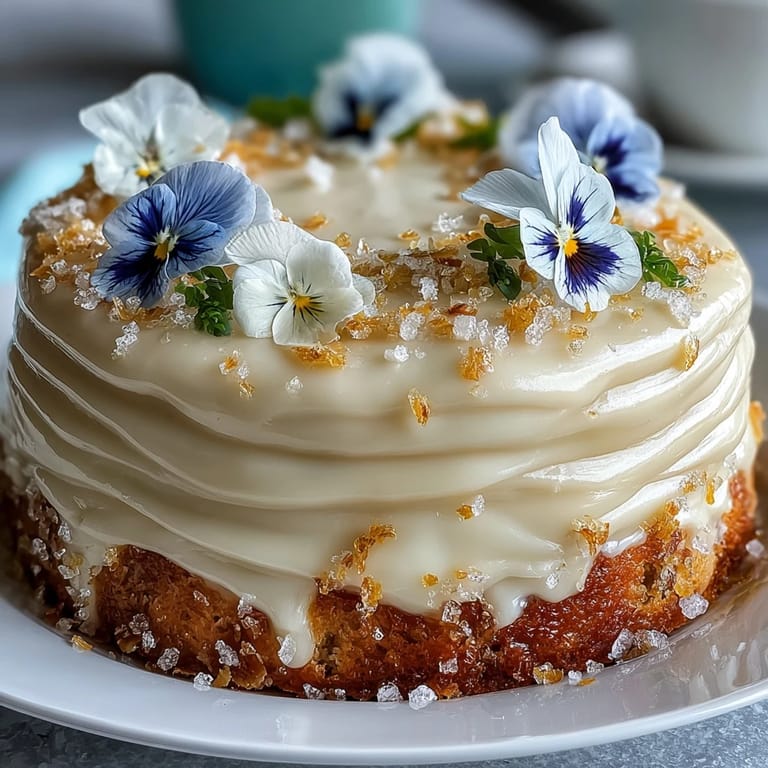
There was a funny moment, right as we finished layering and frosting: the soon-to-be-grandmother picked up a violet and insisted it belonged center stage. Everyone hovered close as we decorated, debating flower placement like it was a gallery opening. Frosting smudges on our wrists, laughter rolling—suddenly the cake looked almost too good to cut. But the best part came when we did: shimmer of knife, soft crumb, and lemon perfume drifting across the table crowd.
Ingredients
- All-purpose flour: Measuring this precisely gives the cake its light crumb structure; spoon, dont scoop.
- Baking powder and baking soda: They work together for a gentle rise and balance the acids from lemon juice.
- Salt: Just a pinch sharpens all the bright citrus notes.
- Unsalted butter: Room temperature makes it cream beautifully and adds richness; dont rush the softening step.
- Granulated sugar: Not only sweetens but helps aerate the batter, giving a true bakery texture.
- Eggs: I always crack each egg into a separate bowl to avoid shell mishaps and ensure perfect incorporation.
- Lemon zest and juice: The heart of the cake—a microplane gets every bit of flavor from the skin.
- Vanilla extract: One teaspoon rounds out the citrus with warmth.
- Buttermilk: Keeps the cake tender and marries beautifully with lemon.
- Cream cheese: For frosting, its crucial that it be at room temperature or you risk lumps.
- Powdered sugar: Always sift before adding to frosting—no one likes a clump.
- Edible flowers: These elevate the presentation and are an instant mood booster—just be certain they’re organic and thoroughly washed.
Tired of Takeout? 🥡
Get 10 meals you can make faster than delivery arrives. Seriously.
One email. No spam. Unsubscribe anytime.
Instructions
- Get the pans ready:
- Preheat the oven to 350°F and line two 8-inch round pans with parchment, making sure to grease every corner so nothing sticks.
- Mix dry ingredients:
- In a medium bowl, whisk flour, baking powder, baking soda, and salt—when you look closely, you’ll see the tiniest flecks of lemon zest from your work surface trying to sneak in already.
- Create the base:
- In a large bowl, beat butter and sugar until pale and fluffy; it should look almost like whipped cream and feel cool to the touch.
- Add eggs and flavor:
- Crack in eggs one by one, mixing just enough to blend, then stir in lemon zest, juice, and vanilla—the aroma is a whole mood shift.
- Combine and finish batter:
- Alternate adding dry ingredients and buttermilk to the wet mixture in three parts, finishing with the flour, mixing just until combined so you keep every airy bubble.
- Bake the cakes:
- Divide batter between pans, smooth the tops, and bake for 28–32 minutes; when you smell citrus filling the kitchen and a toothpick comes out clean, they’re ready.
- Cool and prep for assembly:
- Let cakes cool in pans 10 minutes, then turn out onto a wire rack—don’t rush, or the layers might crack.
- Whip up frosting:
- Beat cream cheese and butter together till silk-smooth, then add sifted powdered sugar, lemon zest, juice, and vanilla; taste for just enough tangy zing.
- Frost and layer:
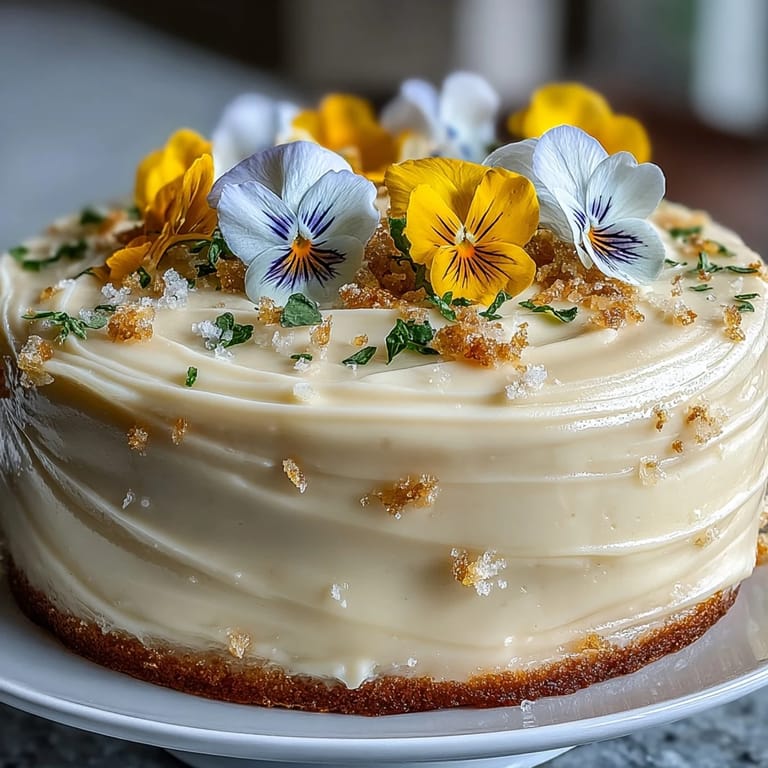
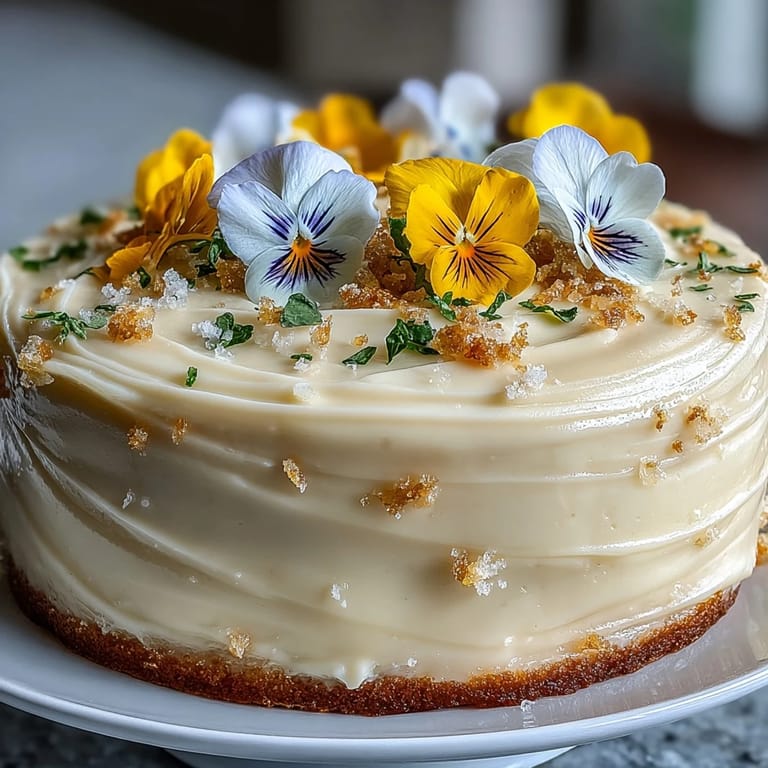
- Place one cake on your serving platter, spread with frosting, top with the second layer, then coat the top and sides; smooth the frosting with the back of a spoon for those pretty swoops.
- Decorate and finish:
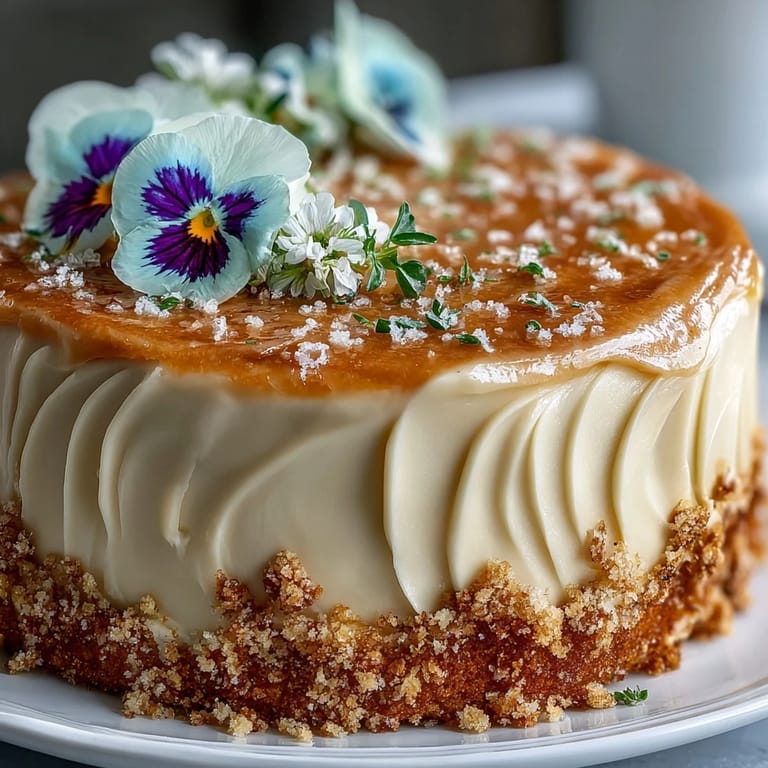
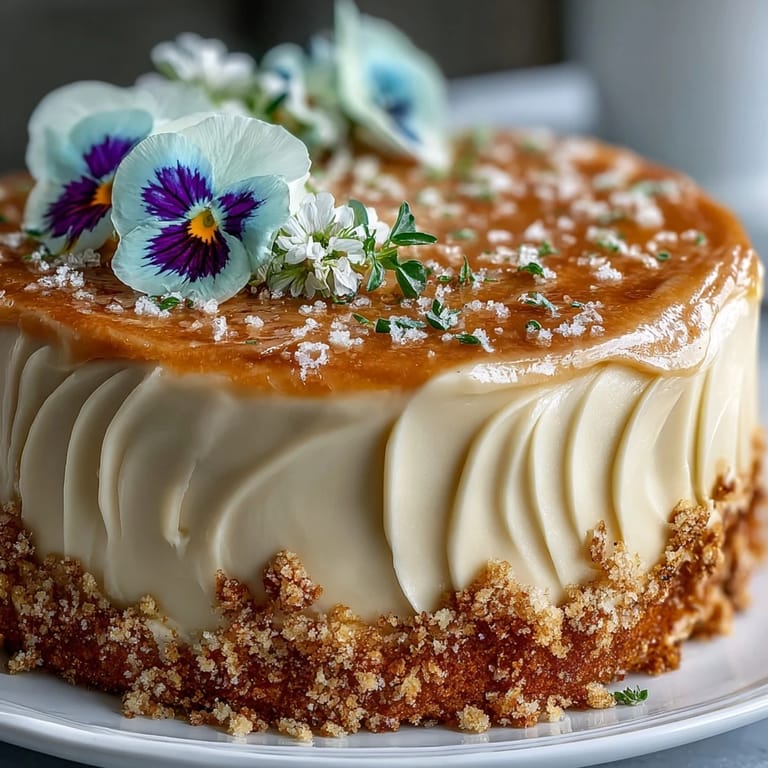
- Gently press edible flowers into the frosting just before serving—each petal feels like a little celebration all its own.
 Pin It
  Pin It
 I remember slicing generous pieces for guests who kept circling back to the dessert table, surprised at how much the cake tasted like a sunny afternoon. Someone even tucked an extra flower behind their ear before leaving—proof a cake can become part of the memories in ways you never plan for.
Making the Floral Topper Pop
The trick with edible flowers is handling them as gently as the cake itself: too much pressure and the petals bruise, too little and they might tumble right off. I found using tweezers made it feel like arranging little jewels, and letting someone else join in can turn the last steps into a delight not a chore.
Keeping Cake Layers Extra Tender
If there’s one move that changed my lemon cake game, it’s alternating the dry ingredients and buttermilk gently—never over-beating. A folding motion with a spatula rather than the mixer for that last bit makes each bite meltingly soft.
Serving, Storing, and the Magic of Leftovers
This cake keeps its plush texture for a day or two if wrapped tightly and stashed at room temperature—though a quick chill firms up the frosting for easier slicing.
- Layer cakes always slice best with a warm, wiped knife.
- If the flowers start to wilt, pop the cake in the fridge to refresh them just before serving.
- Leftover slices are incredible with a cup of tea the next morning.
 Pin It
  Pin It
 Whether for a shower or just for sharing a little brightness, this lemon cake turns any table into the happiest celebration spot. Wishing you the same sweet laughter and bursts of citrus whenever you slice in.
Recipe FAQs
- → Can I use bottled lemon juice instead of fresh?
Fresh lemon juice gives the brightest flavor and liveliest aroma, but good-quality bottled juice can be used in a pinch. If using bottled, consider increasing the lemon zest slightly to boost the fragrance.
- → How do I avoid a dense crumb?
Cream the butter and sugar until light and fluffy, avoid overmixing once the flour is added, and alternate dry ingredients with buttermilk to preserve air in the batter for a tender, even crumb.
- → How should I prepare edible flowers safely?
Only use edible, unsprayed flowers from a reputable source. Gently wash and fully dry them before placing on the cake, and add them just before serving to keep colors and texture fresh.
- → Can I make the layers ahead of time?
Yes. Bake layers, cool completely, wrap tightly, and store at room temperature for a day. Assemble and frost the cake shortly before the event for the best texture and freshness.
- → How can I adjust the frosting sweetness?
Reduce the powdered sugar and boost lemon zest and a touch more juice to maintain balance. Chilling the frosting briefly helps achieve a spreadable texture with less sugar.
- → What oven cues indicate the cake is done?
Bake 28-32 minutes and test with a toothpick inserted in the center — it should come out clean or with a few moist crumbs. The tops should spring back gently when touched.