 Pin It
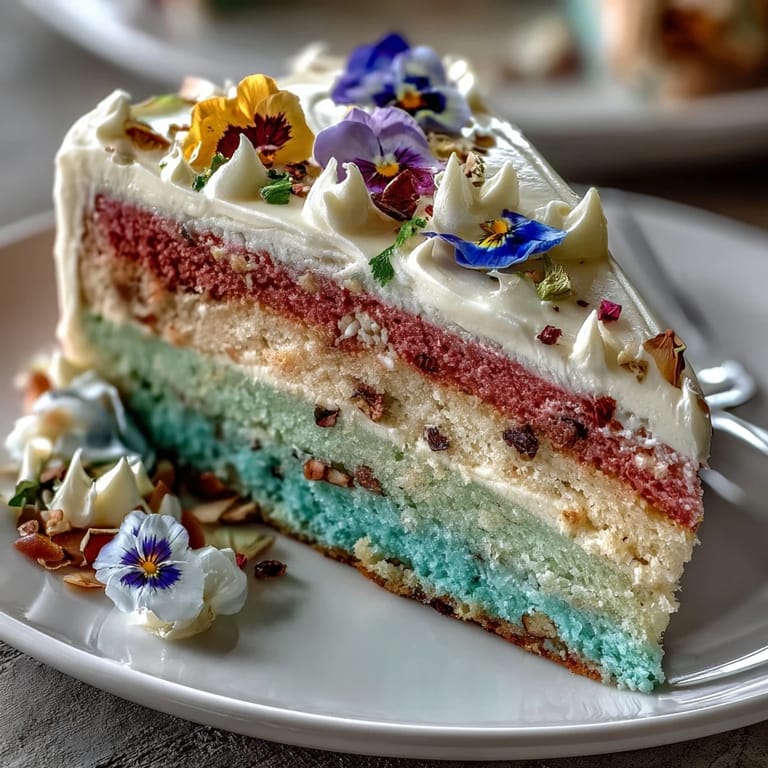
 I’d been itching to create something truly radiant for the season and the pastel ombre spring cake was born from a desire to capture the gentle joy of new blooms. In my kitchen, sunlight streamed across the counters as I weighed flour, the anticipation for those soft colors building with each step. The scent of vanilla mingled with the crisp air outside, and I remember grinning when the layers emerged, each one a different shade—almost too pretty to cover in frosting. Edible flowers waited nearby, making the final touch almost like arranging a bouquet for a celebration. This cake became a canvas where spring’s palette—and my happy, messy fingerprints—could shine.
Last April, I baked this cake for a friend’s tea party, nervously hoping the ombre colors would turn out. My hands felt shaky as I layered the tinted batters, but the group gathered in the kitchen, exchanging stories and laughter, encouraging me with each swirl of pastel frosting. When the cake was unveiled, the room paused—flowers crowning the top, the inside colors unexpectedly radiant. It became a centerpiece, and the memories are still bright: sticky fingers, crumbs on the table, and faces caught in surprise. That day gave me the confidence to experiment and let playful colors lead the way in my baking.
Ingredients
- All-purpose flour: Sifting ensures each silk-soft layer stays tender; I learned to never skip this step for delicate cakes.
- Baking powder & baking soda: Balances rise and crumb, keeping the cake light but not dry—double check your measurements for best results.
- Salt: A small pinch sharpens the vanilla flavor and rounds out the sweetness.
- Unsalted butter: Room temperature butter guarantees a fluffy, smooth batter and buttercream—soft but not melting is perfect.
- Granulated sugar: Creamed with butter, it sets up a beautiful structure and subtle sweetness.
- Eggs: Room temperature eggs blend smoothly; I once forgot and my batter curdled—lesson learned.
- Pure vanilla extract: Adds warmth and depth; I always splurge on the real stuff for cakes.
- Whole milk: Room temp milk prevents batter from splitting—bring it out early with the butter.
- Gel food coloring: The secret to pastel hues that don’t affect texture; a toothpick works best to add color gradually.
- Powdered sugar: Sifted powdered sugar makes the buttercream perfectly silky with no lumps.
- Heavy cream/whole milk (for frosting): Adjusts the spreadability—start with a little and work up for a fluffy finish.
- Edible flowers: Look for organic, labeled edible blooms; I usually source them from local markets in spring.
Tired of Takeout? 🥡
Get 10 meals you can make faster than delivery arrives. Seriously.
One email. No spam. Unsubscribe anytime.
Instructions
- Prepare Your Pans:
- Grease and line three round cake pans with parchment—there’s something soothing about smoothing each sheet into place.
- Mix Dry Ingredients:
- Whisk together flour, baking powder, baking soda, and salt until combined, feeling the softness between your fingers.
- Cream Butter & Sugar:
- Beat butter and sugar until pale and fluffy—listen for the change in sound, it tells you when it’s just right.
- Add Eggs & Vanilla:
- Add eggs one by one, mixing gently, then swirl in vanilla; the aroma blooms as you stir.
- Combine & Color Batter:
- Alternate adding dry mix and milk, then split the batter into three bowls, coloring each with pastel gel until a smooth ombre emerges.
- Bake Layers:
- Pour each colored batter into a pan and bake until a toothpick in the center comes out clean; the kitchen warms with sweet aromas.
- Cool Cake Layers:
- Let cakes rest ten minutes in pans, then turn onto wire racks—this pause lets you admire the gradient shades.
- Make Buttercream:
- Whip butter until creamy, then beat in powdered sugar, vanilla, and cream—divide and tint to match your cake’s ombre layers.
- Assemble & Frost:
- Level cakes if needed, layer with pastel buttercream, and blend colors for an ombre finish; chill between coats for a smooth surface.
- Add Floral Topper:
- Arrange edible flowers on top, letting their colors inspire the final flourish moments before serving.
 Pin It
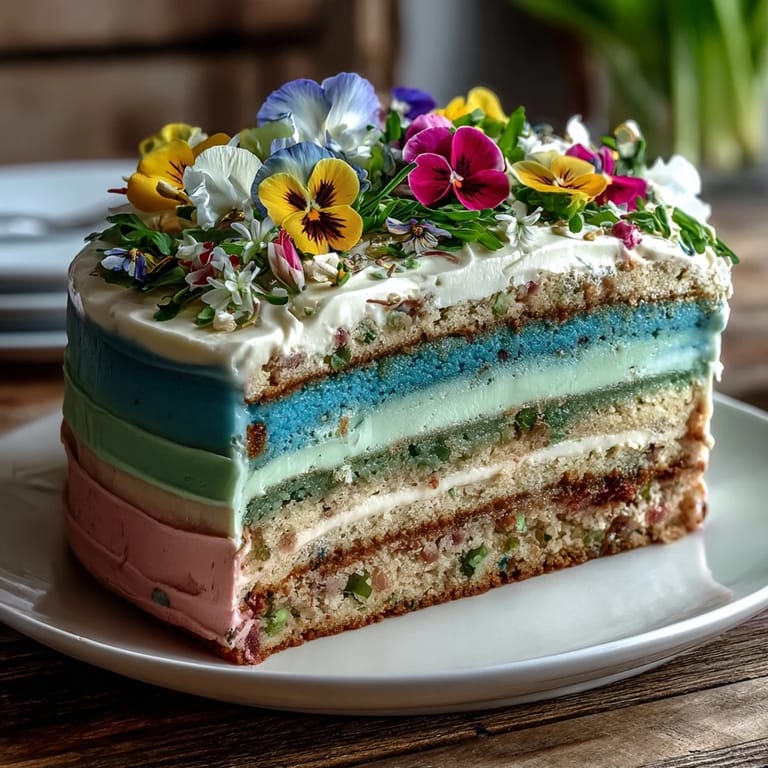
 When we sliced into the cake at my sister's spring brunch, someone gasped—the ombre layers and fresh blooms sparked instant smiles. That moment transformed a simple dessert into a memory threaded with laughter and the promise that spring had truly arrived.
Getting Perfect Pastel Colors
I used to overdo gel coloring, ending with cake layers brighter than planned. Now, I dip a toothpick in the color, swirl it gently into the batter, and pause—too much can overpower the soft effect. Adjusting shade by shade helps create a subtle gradient, and I let the natural light guide the final hue.
Buttercream Blending Without Stress
Frosting a cake with ombre shades feels intimidating, but chilling the layers and crumb coat first makes everything smoother. I start with the lightest color and gently blend into the next shade, using an offset spatula and occasionally asking someone nearby for a second opinion. If colors start to muddle, a quick wipe of the spatula fixes it, and the whole process becomes playful instead of pressured.
Arranging Edible Flowers for Impact
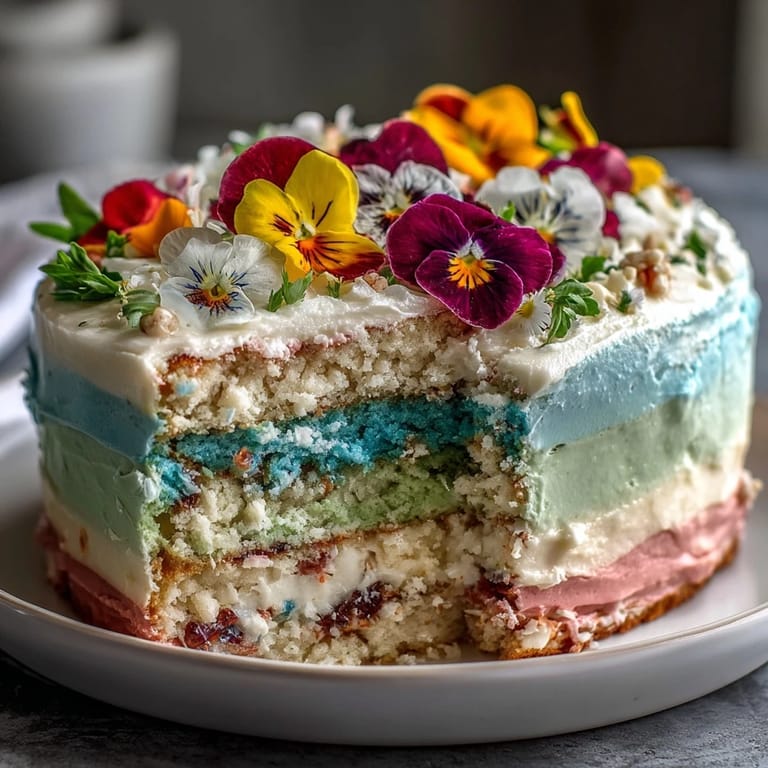
The first time I placed edible flowers atop a cake, my hands trembled—worried about crushing petals. Now, I spread blooms gently in small clusters, avoiding overlap so colors and shapes shine individually. I often pick more flowers than needed, giving myself options to experiment and play.
- Arrange flowers just before serving so they stay fresh.
- Keep extra blooms on hand to fill gaps.
- Always check flowers for any blemishes before decorating.
 Pin It
 This cake is a joyful centerpiece that invites celebration, conversation, and creativity. Take your time with the colors and floral topper—each touch brings the promise of spring into your kitchen.
Recipe FAQs
- → How do I achieve smooth pastel ombre layers?
Divide batter evenly and tint with gel food coloring for consistent hues. Bake in separate pans for defined layers.
- → What types of edible flowers can I use?
Pansies, violas, roses, and chamomile are popular. Always select organic, labeled edible flowers for safety.
- → Can I make this dessert vegan?
Substitute butter, milk, and eggs with plant-based alternatives for a vegan-friendly option.
- → How do I get fluffy buttercream?
Beat butter until creamy, gradually add powdered sugar and vanilla, then milk or cream to reach desired consistency.
- → Is special equipment needed?
Basic tools like cake pans, electric mixer, spatulas, and wire rack are used. Cake turntable helps with smooth frosting.
- → Are there allergen concerns with edible flowers?
Flowers may cause reactions for sensitive individuals; verify their suitability and source organic options.