 Pin It
 My neighbor handed me a jar of black currants one July afternoon, slightly embarrassed, saying they'd overrun her garden. I had no idea what to do with them until I remembered a sauce I'd tasted years ago at a tiny café in London—glossy, jewel-toned, utterly elegant over vanilla panna cotta. Ten minutes later, my kitchen smelled like dark berries and possibility, and I understood why she'd been so eager to offload her bounty.
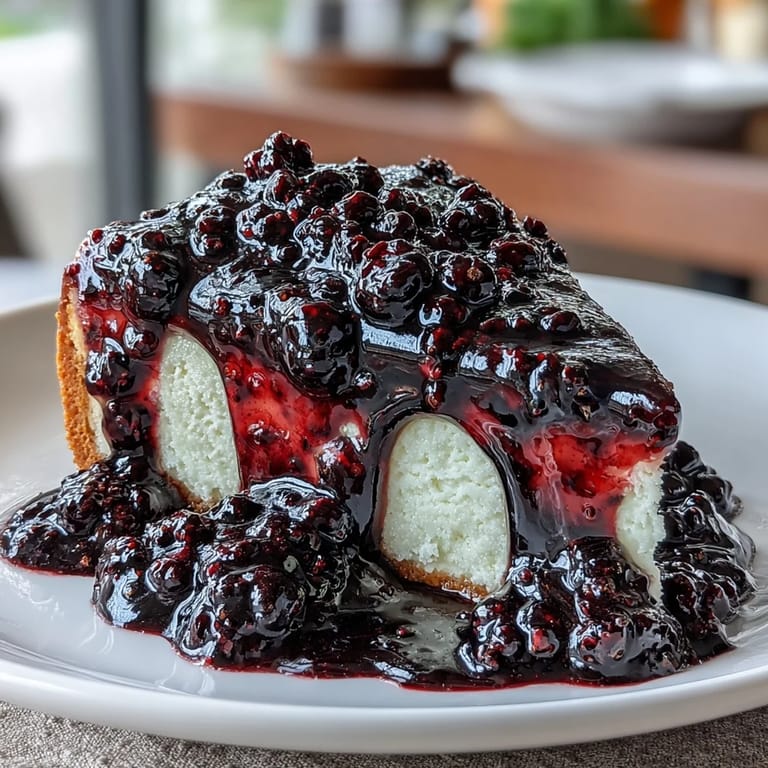
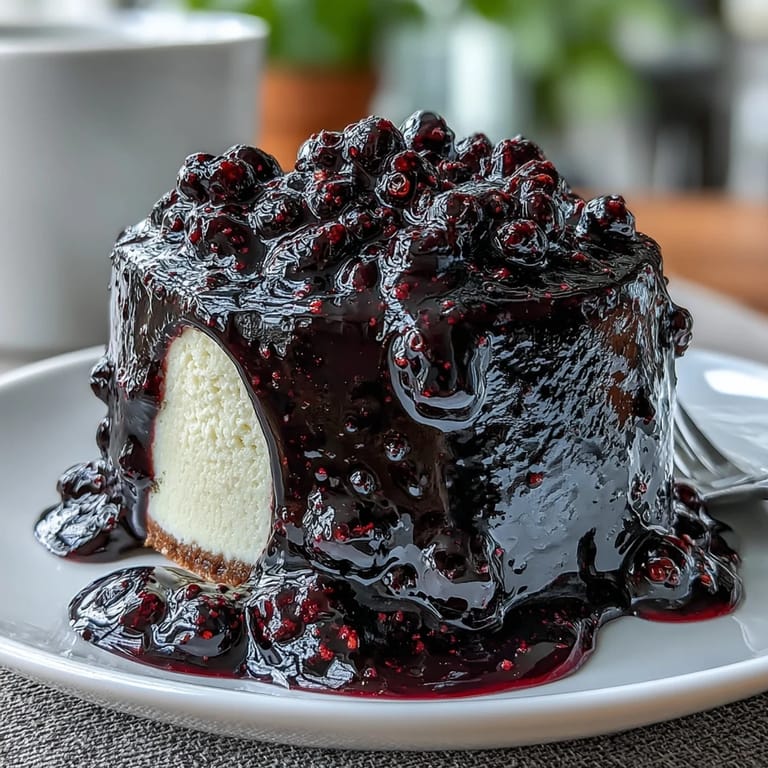
I served this over a store-bought cheesecake at a dinner party once, too nervous to admit the whole dessert was half homemade. Someone asked for the recipe, assuming I'd spent hours perfecting it. When I confessed the truth, it didn't diminish the moment—if anything, it made people feel like they could do something bold in their own kitchens without perfectionism holding them back.
Ingredients
- Black currants (1 cup fresh or frozen): These little berries are tart and complex, almost peppery, which is why they shine on sweet desserts—the contrast is what makes your taste buds sit up and pay attention.
- Granulated sugar (1/2 cup): Start with this amount and taste as you go; if your currants are particularly tart, you might want slightly more, but resist the urge to oversweeten or you'll mask their distinctive flavor.
- Water (1/4 cup): Just enough liquid to help the berries release their juice and create a silky base.
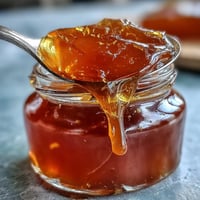
- Cornstarch (1 tsp optional) and cold water (1 tbsp): This is your secret for achieving that glossy, spoonable consistency that clings to the back of a spoon like liquid jewels.
- Fresh lemon juice (1/2 tsp): A whisper of brightness that amplifies the currant flavor without announcing itself.
- Vanilla extract (1/2 tsp optional): Adds warmth and depth, though some prefer to let the currants speak entirely for themselves.
Tired of Takeout? 🥡
Get 10 meals you can make faster than delivery arrives. Seriously.
One email. No spam. Unsubscribe anytime.
Instructions
- Combine and heat gently:
- Pour your currants, sugar, and water into a small saucepan and place it over medium heat. You want to hear a gentle bubbling, not an aggressive boil—this protects the delicate flavor and gives the berries time to release their color gradually.
- Let the berries surrender:
- Stir occasionally as the currants soften and split, releasing their deep purple juice into the sugar syrup, which takes about 6 to 8 minutes. You'll know it's ready when the liquid coats the back of your spoon.
- Add gloss if you wish:
- If you're using cornstarch, whisk it with cold water until smooth, then stir it into the simmering sauce and let it bubble gently for another minute or so until the mixture turns from cloudy to gleaming and thick.
- Finish with finesse:
- Remove from heat and stir in your lemon juice and vanilla if using them, tasting as you go. This is when you adjust the balance—tartness, sweetness, depth—to match your instinct.
- Decide on texture:
- For a silky, refined sauce, pour it through a fine sieve while still warm, pressing gently on the solids; for a rustic version with berry texture, skip this step entirely. Either way is delicious.
- Cool and thicken:
- Let the sauce reach room temperature, where it will continue to set slightly, becoming even more luscious.
 Pin It
 My daughter tried this over ice cream and closed her eyes mid-bite, which is the highest compliment a cook can receive. In that quiet moment, I realized this sauce does what the best food does: it makes people pause and actually taste something.
When Texture Matters Most
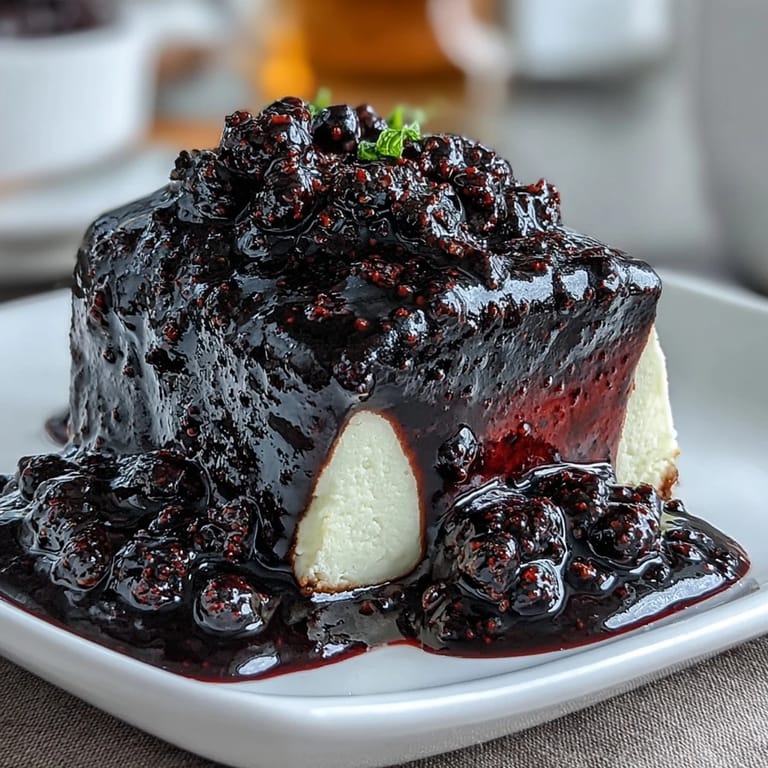
The choice between strained and unstrained is less about right or wrong and more about what experience you want to create. Strained sauce feels refined and sophisticated, almost like silk against cheesecake or panna cotta. Unstrained sauce carries the berry texture itself, which some find more honest and rustic—it reminds you that this came from actual fruit, not a laboratory.
Storage and Keeping
This sauce is wonderfully forgiving in the cold. Covered in an airtight container, it keeps for about a week in the refrigerator, and the flavor actually deepens slightly as it sits. You could technically freeze it too, though there's rarely enough left over to test that theory.
Beyond the Obvious
Yes, this works beautifully on cheesecake and panna cotta, but I've also swirled it into Greek yogurt for a breakfast that feels indulgent, spooned it over vanilla pudding, and even drizzled it across a plate alongside chocolate mousse for contrast. The tartness of black currant pairs with almost any dessert that needs a jolt of flavor and color.
- Try it alongside duck or pork if you're feeling adventurous—the tartness complements rich meats in ways that might surprise you.
- Make a double batch if you're entertaining; people always ask for extra, and it's impossible to make this sauce without wanting to use it immediately.
- If frozen berries are all you can find, they work just as well and sometimes taste even more concentrated.
 Pin It
 This sauce has taught me that sometimes the most impressive things come from the simplest ingredients and the shortest cooking times. There's something generous about a dessert sauce that took fifteen minutes but tastes like you've been keeping it a secret.
Recipe FAQs
- → Can I use frozen black currants instead of fresh?
Yes, frozen black currants work perfectly in this sauce. No need to thaw them first—simply add them directly to the saucepan and allow a couple extra minutes for the fruit to break down and release their juices.
- → How long will the sauce keep in the refrigerator?
When stored in an airtight container, this sauce stays fresh for up to one week. The flavors may even develop and deepen slightly after a day or two.
- → Do I have to strain the sauce?
Straining is optional. For a silky, professional finish, strain through a fine mesh sieve. If you prefer a rustic texture with the seeds and skins intact, simply skip this step.
- → Can I substitute other berries for black currants?
Absolutely. Raspberries, blackberries, or blueberries work well with the same method. Adjust the sugar quantity based on the natural sweetness of your chosen berries.
- → Why is my sauce too thin?
The sauce naturally thickens as it cools. If still too thin after cooling, return to the heat and simmer for a few more minutes to reduce, or use the optional cornstarch slurry for extra body.