 Pin It
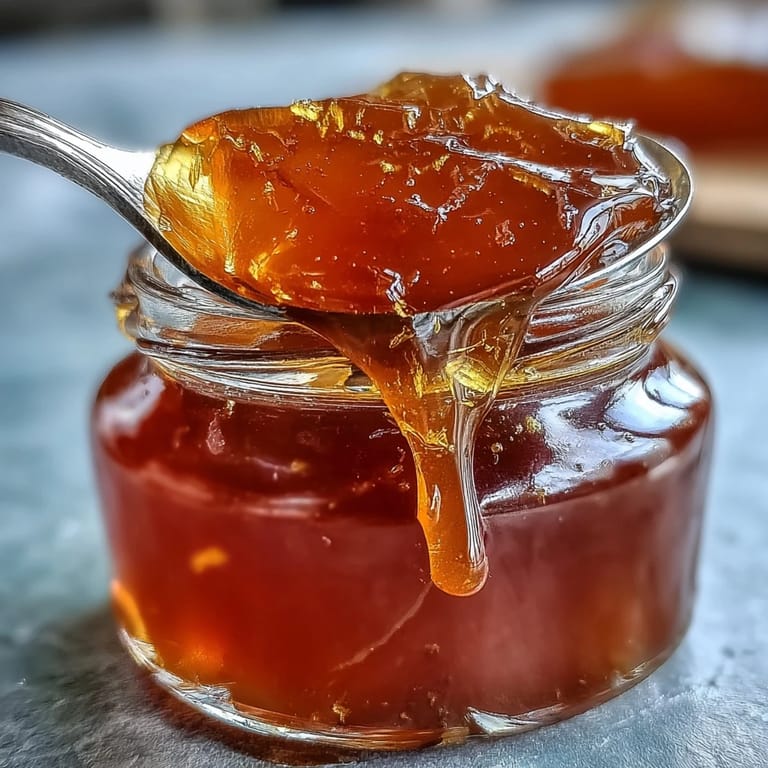
 Dandelion jelly is a beautiful way to capture the fleeting essence of spring in a jar. Made from sun-bright yellow dandelion petals carefully foraged from pesticide-free meadows, this delicate floral jelly offers a subtle sweetness and a gentle hint of earthiness. Perfect for spreading on warm toast, scones, or pairing with creamy cheeses, it’s a celebration of nature’s bounty and a delightful introduction to foraged preserves.
Pin It The process itself is a ritual of patience and connection to the natural world. After carefully removing unwanted green parts, the petals steep to release their golden essence, which is then transformed into a shimmering jelly with just the right balance of tart lemon and sweet sugar. This jelly is a reminder that the simplest ingredients, given time and care, can become something truly special.
Ingredients
Tired of Takeout? 🥡
Get 10 meals you can make faster than delivery arrives. Seriously.
One email. No spam. Unsubscribe anytime.
- Dandelion Infusion
- 2 cups dandelion petals (yellow parts only, tightly packed, pesticide-free)
- 4 cups water
- Jelly Base
- 2 tablespoons lemon juice (freshly squeezed)
- 1 package (1.75 oz / 49 g) powdered fruit pectin
- 4 cups granulated sugar
Instructions
- 1. Prepare the dandelion petals by removing all green parts (sepals and stems), as they can be bitter.
- 2. Rinse petals gently to remove insects or debris.
- 3. In a saucepan, combine petals and water. Bring to a boil, then simmer for 5 minutes.
- 4. Remove from heat, cover, and let steep for 4 hours (or overnight for a stronger flavor).
- 5. Strain the liquid through a fine mesh sieve or cheesecloth, pressing gently to extract as much as possible. Discard petals. You should have about 3½–4 cups of dandelion infusion.
- 6. Pour the dandelion infusion into a large pot. Add lemon juice and pectin. Stir well and bring to a rolling boil over high heat.
- 7. Add sugar all at once, stirring constantly. Return to a rolling boil and boil hard for 1–2 minutes, or until the jelly reaches setting point (220°F / 104°C).
- 8. Remove from heat. Skim off any foam.
- 9. Ladle hot jelly into sterilized jars, leaving ¼-inch headspace. Wipe rims, seal with lids, and process in a boiling water bath for 10 minutes.
- 10. Let jars cool undisturbed for 12 hours. Check seals before storing.
Zusatztipps für die Zubereitung
Forage only dandelion petals from pesticide-free areas, and be sure to remove all green sepals and stems to avoid bitterness. Steeping the petals overnight enhances the floral flavor, making the jelly even more aromatic and vibrant in color.
Varianten und Anpassungen
Add orange zest along with lemon juice for a bright citrus twist. To suit your sweetness preference, try reducing the sugar slightly and use a low-sugar pectin instead. These small adjustments can personalize your jelly to your taste.
Serviervorschläge
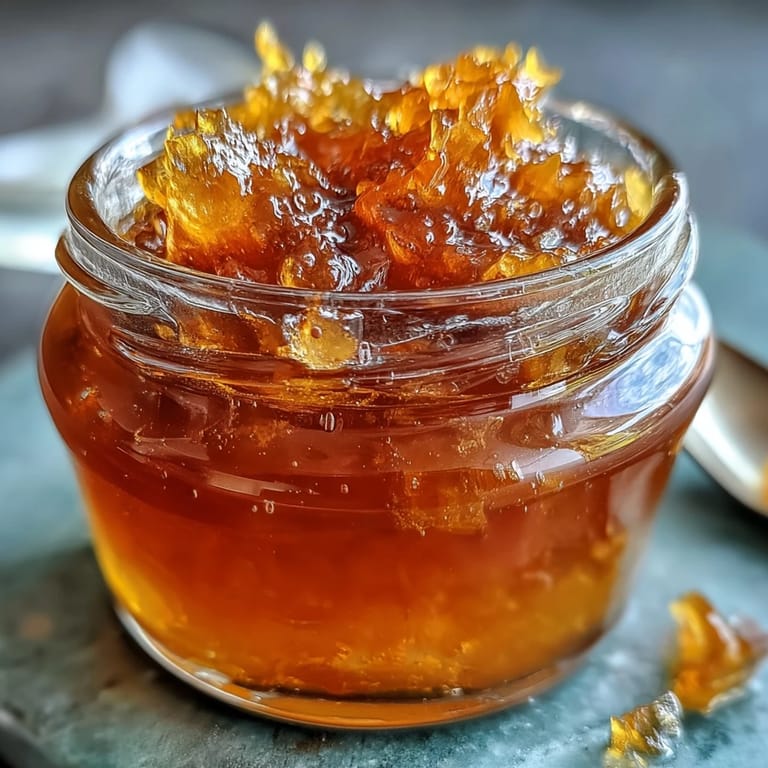
This delicate jelly shines spread on warm toast or fresh scones. It also pairs beautifully with cheese boards or as a glaze for cakes and desserts, adding a subtle floral note that enhances a variety of dishes.
 Pin It
 With a little care and patience, dandelion jelly is a rewarding way to enjoy the flavors of spring all year round. Its golden color and delicate aroma make it a standout addition to your pantry and a thoughtful gift for friends who appreciate handmade preserves.
Recipe FAQs
- → How do I remove bitterness from dandelion petals?
Carefully strip away the green sepals and stems as they can introduce bitterness. Use only the yellow parts tightly packed.
- → What is the purpose of steeping the petals?
Steeping extracts the floral essence and color while mellowing flavors, usually done for several hours or overnight.
- → Can I add citrus variations?
Yes, adding orange zest with lemon juice brings a fresh, zesty twist to the floral notes.
- → How do I know when the jelly is set properly?
Boil until the mixture reaches setting point (220°F or 104°C), or use a cold plate test to check firmness before canning.
- → What are ideal serving suggestions for this spread?
Enjoy it on toast or pancakes, or as a glaze for cakes and a flavorful accompaniment to cheeses.