 Pin It
 Experience the bold, tangy essence of summer with this homemade Black Currant Shrub. This traditional drinking vinegar captures the intense flavor of ripe currants, balancing their natural tartness with sweet sugar and the zesty punch of high-quality vinegar. It is a sophisticated addition to any home bar or kitchen pantry.
Pin It While it takes a few days for the flavors to fully meld, the process is incredibly straightforward. By allowing the fruit to macerate in sugar, you extract a deep, concentrated syrup that serves as the heart of this refreshing elixir.
Ingredients
Tired of Takeout? 🥡
Get 10 meals you can make faster than delivery arrives. Seriously.
One email. No spam. Unsubscribe anytime.
- Fruit: 1 cup (150 g) fresh or frozen black currants, rinsed and stemmed
- Sugar: 1 cup (200 g) granulated sugar
- Vinegar: 1 cup (240 ml) apple cider vinegar or red wine vinegar
Instructions
- Step 1
- In a bowl or jar, combine black currants and sugar. Stir well, lightly mashing the berries to release juices.
- Step 2
- Cover and refrigerate for 24–48 hours, stirring occasionally, until the sugar has dissolved and the fruit juices are released.
- Step 3
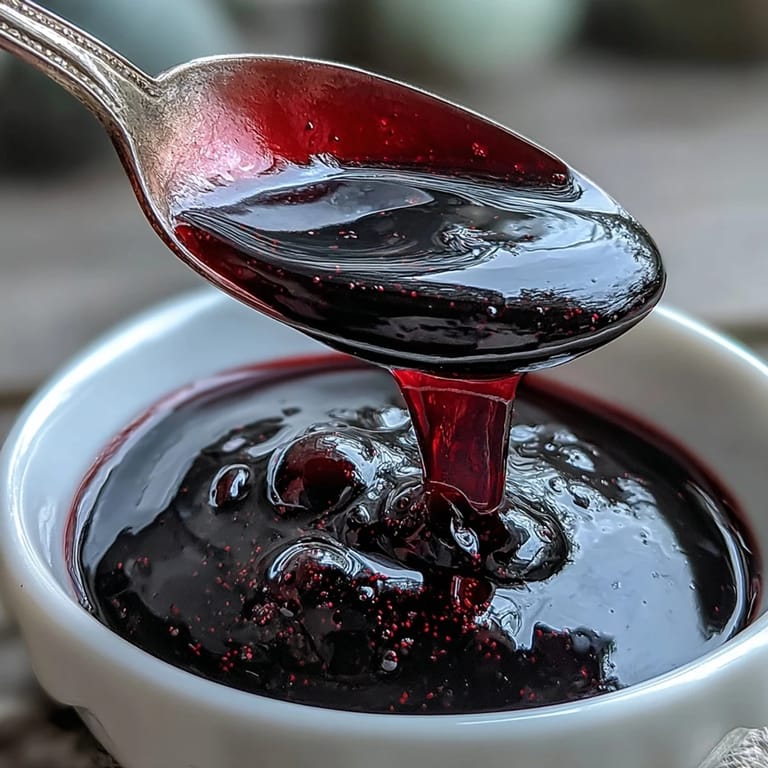
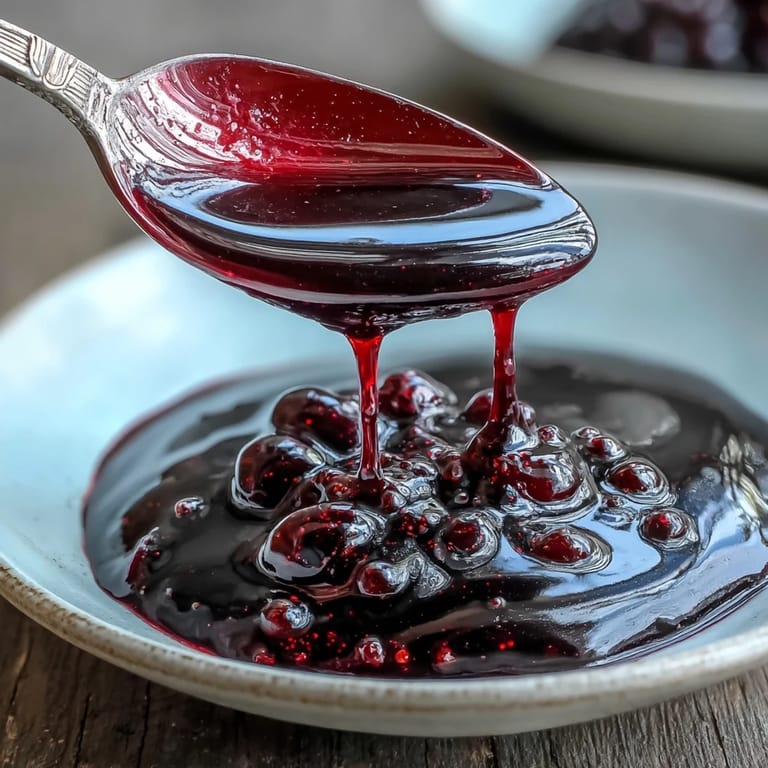
- Strain the mixture through a fine-mesh sieve or cheesecloth into a clean bowl, pressing to extract as much liquid as possible. Discard solids.
- Step 4
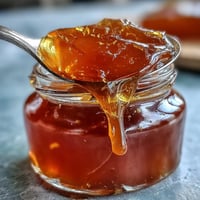
- Pour the fruit syrup into a clean jar. Add the vinegar and stir to combine.
- Step 5
- Seal and refrigerate for at least 24 hours before using, allowing flavors to meld.
- Step 6
- To serve, mix 1–2 tablespoons shrub with still or sparkling water, or use as a cocktail mixer. Adjust to taste.
Zusatztipps für die Zubereitung
For the best results, use a sturdy muddler or the back of a large spoon to thoroughly mash the currants. This ensures all the natural juices and pectin are released into the sugar. If you prefer a crystal-clear liquid, let it strain naturally without pressing the solids too aggressively during the final step.
Varianten und Anpassungen
You can customize the depth of flavor by choosing your vinegar; red wine vinegar yields a robust, deep flavor, while apple cider vinegar offers a milder, fruitier finish. For a different sweetener profile, try substituting the granulated sugar with honey or maple syrup.
Serviervorschläge
Mix 1 to 2 tablespoons of the shrub into a glass of chilled sparkling water for a zesty soda alternative. It also serves as a fantastic base for cocktails when combined with gin or vodka and garnished with a sprig of fresh mint.
 Pin It
 This Black Currant Shrub is a delightful way to enjoy the essence of dark berries all year round. Keep a bottle in your fridge for an instant, tangy refreshment whenever the mood strikes.
Recipe FAQs
- → What is a shrub?
A shrub is a concentrated syrup made from fruit, sugar, and vinegar. Historically used as a way to preserve fruit, shrubs are now popular as tangy-sweet mixers for cocktails and non-alcoholic beverages.
- → How long does black currant shrub last?
When stored in a sealed container in the refrigerator, black currant shrub will keep for up to 3 months. The vinegar acts as a natural preservative, maintaining both flavor and freshness.
- → Can I use frozen black currants?
Absolutely! Frozen black currants work just as well as fresh ones. Thaw them slightly before combining with sugar, and they'll release their juices beautifully during the maceration process.
- → What's the best vinegar to use?
Apple cider vinegar offers a milder, fruitier flavor that complements black currants nicely. Red wine vinegar provides a deeper, more robust taste. Choose based on your flavor preference and intended use.
- → How should I serve black currant shrub?
Mix 1-2 tablespoons with sparkling water for a refreshing soda, or use it as a cocktail mixer. It pairs beautifully with gin, vodka, or sparkling wine. Adjust the amount to suit your taste preferences.
- → Can I substitute other sweeteners?
Yes! Honey or maple syrup work well as alternatives to granulated sugar. They'll add their own subtle flavors and create a slightly different sweetness profile. Use a 1:1 ratio when substituting.