 Pin It
 My neighbor handed me a bag of black currants one late summer afternoon, insisting I had to try making something with them because they'd gone mad in her garden. I'd never worked with black currants before, only seen them in fancy European recipes that seemed intimidating. But that evening, watching those dark berries transform into something glossy and jewel-like on the stove, I understood why she was so excited about them. Within weeks, I was making batches of this syrup for friends, and it became the ingredient that changed how I thought about pantry staples.
I made a double batch one rainy weekend specifically for a friend's dinner party, drizzling it over whipped ricotta as part of a dessert board. When she tasted it, she actually closed her eyes, and I realized then that homemade syrups carry a kind of intention that bottles from the store never quite capture. She asked for the recipe on the spot, and now she makes it every summer.
Ingredients
- Fresh or frozen black currants (500 g): These little powerhouses are tart and slightly earthy, nothing like the bland berries you might have tried before, so don't skip seeking out good ones at farmers markets or specialty shops.
- Granulated sugar (400 g): The sweet counterpoint that lets the currants shine without overwhelming them, and honestly, this ratio feels perfect after testing it several times.
- Water (250 ml): Just enough to coax the juices out gently without diluting the final syrup too much.
- Lemon juice (1 tbsp, optional): A squeeze of brightness that makes people taste the syrup and wonder what that subtle something is.
Tired of Takeout? 🥡
Get 10 meals you can make faster than delivery arrives. Seriously.
One email. No spam. Unsubscribe anytime.
Instructions
- Prep Your Currants:
- Rinse them under cold water and pick off any lingering stems or bits of leaf. Frozen berries work just as well as fresh, so don't stress if you can't find them fresh in your area.
- Simmer Gently:
- Put the currants and water into a medium saucepan and turn the heat to medium, letting them come to a gentle simmer. You'll smell them starting to release their flavor after just a few minutes, and that's when you know you're on the right track.
- Let Them Burst:
- Stir occasionally for 10 to 12 minutes while the berries soften and split open, releasing deep purple juice into the water. The color deepening is beautiful to watch, almost hypnotic.
- Cool and Strain:
- Let the mixture cool just enough to handle safely, then pour it through a fine-mesh sieve or cheesecloth into a clean bowl, pressing gently on the solids to extract every drop of liquid. Don't squeeze too hard or you'll push pulp through and cloud your syrup.
- Make the Syrup:
- Return the strained juice to the saucepan, stir in the sugar and lemon juice if you're using it, and bring everything to a gentle boil. Reduce the heat and let it simmer for 10 to 15 minutes, stirring occasionally, until it thickens just slightly and coats the back of a spoon.
- Bottle and Cool:
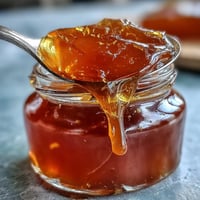
- Pour the finished syrup into sterilized glass bottles or jars while still warm, then let it cool completely before sealing and refrigerating. It keeps beautifully for up to a month, though honestly it rarely lasts that long in my house.
 Pin It
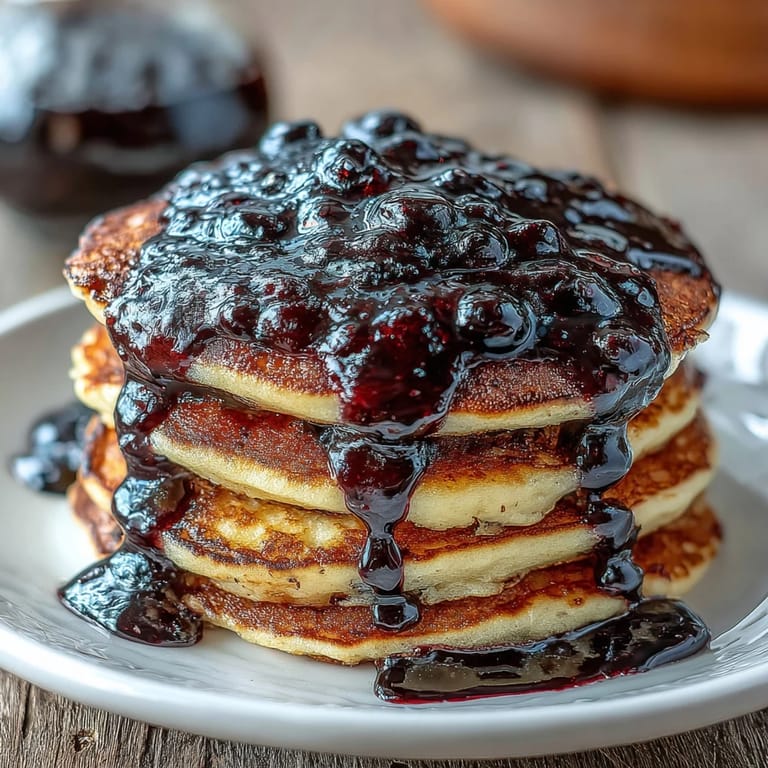
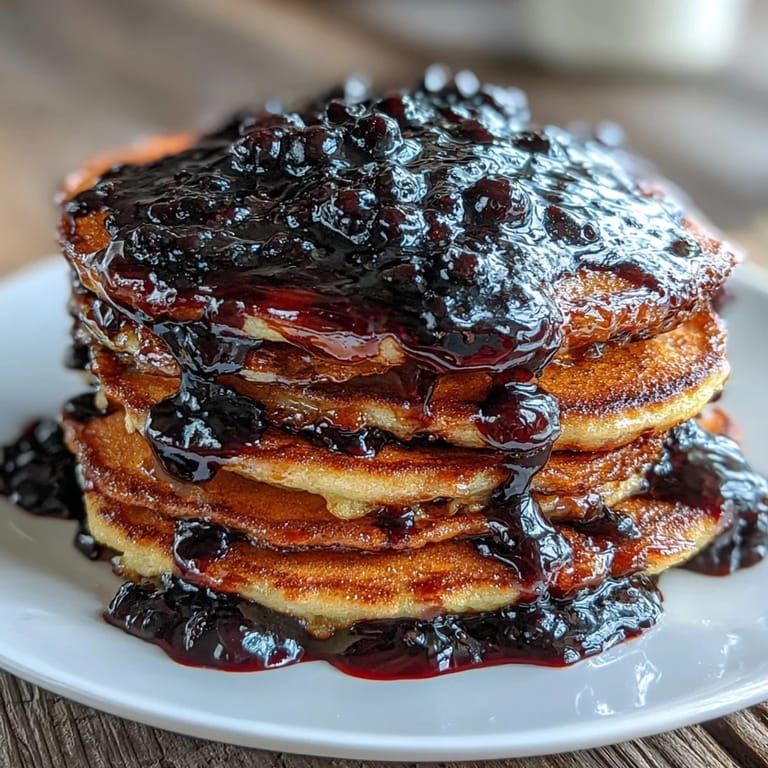
 Last winter, I poured this syrup over fresh snow with a friend's kids, and watching their faces light up when it froze into chewy ribbons felt like discovering an entirely new dessert. That's when it hit me that the best recipes are the ones that give you permission to play and experiment, not just follow instructions.
When Black Currants Aren't Available
If you can't find black currants, you can absolutely substitute blackberries, raspberries, or even a mix of berries, though the flavor profile will shift. The method stays exactly the same, and you'll still end up with something wonderful that tastes like you know a secret about how to make things taste better than they have any right to.
The Many Lives of This Syrup
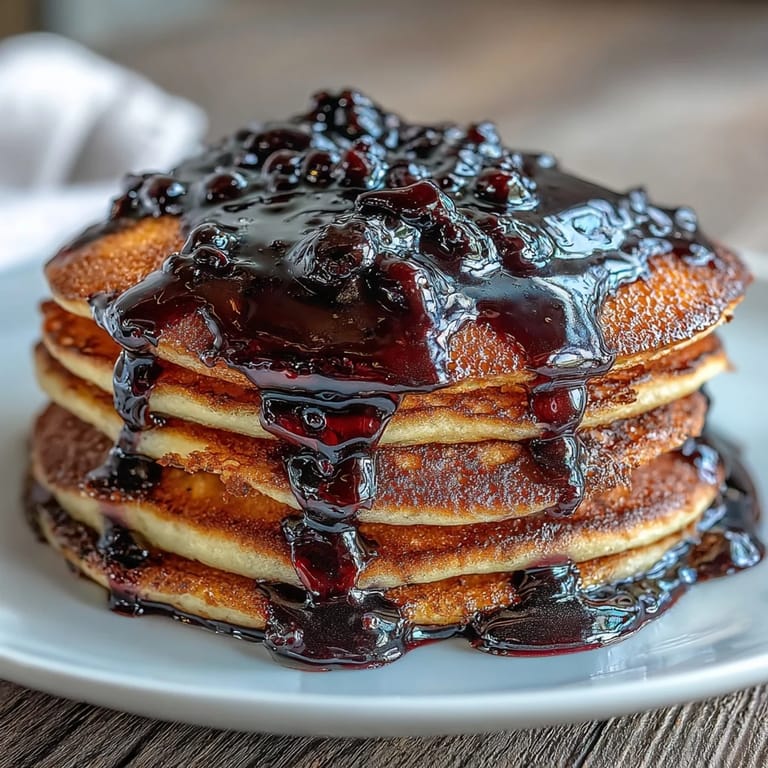
Once you have a bottle of black currant syrup in your refrigerator, you'll start seeing reasons to use it everywhere. I've drizzled it over cheesecake, stirred it into champagne for a quick cocktail, swirled it into plain yogurt, and even used it as a glaze for roasted duck. The possibilities honestly feel endless once you start experimenting, and that's what makes it such a satisfying thing to make.
Storage and Shelf Life
This syrup keeps in the refrigerator for up to a month, which feels like both plenty of time and somehow never enough time depending on how much you love it. For longer storage, you can freeze it in ice cube trays, popping out cubes whenever you need a hit of currant flavor in a drink or dessert.
- Always use a clean spoon when scooping from the jar to avoid introducing bacteria.
- If you see any mold or cloudiness, discard the batch and start fresh next time.
- Keep it in the back of the refrigerator where it's coldest, away from the door where temperatures fluctuate.
 Pin It
 Making this syrup has become one of those kitchen rituals that centers me whenever life feels chaotic, partly because it's simple but mostly because the reward is so immediate and visible. Whenever you need a small homemade gift that tastes like care, this is it.
Recipe FAQs
- → How long does black currant syrup last?
When stored in sterilized glass bottles and kept refrigerated, black currant syrup stays fresh for up to one month. Always use clean utensils when scooping to extend shelf life.
- → Can I use frozen black currants?
Absolutely. Frozen black currants work perfectly and often release their juices more readily during cooking. No need to thaw before use—simply add them directly to the saucepan.
- → What can I substitute for granulated sugar?
Honey makes an excellent substitute, though you may need slightly less due to its sweetness intensity. Adjust to taste and note that honey adds subtle floral notes to the finished syrup.
- → Why add lemon juice?
Lemon juice provides brightness that balances the rich currant flavor and helps preserve the vibrant color. It's optional but recommended for a more complex, well-rounded taste profile.
- → How do I make the syrup thicker?
Simply extend the simmering time by 5-10 minutes after adding the sugar. The syrup will naturally thicken as more water evaporates. Be careful not to over-reduce, or it may become too thick to pour easily.
- → What's the best way to strain the mixture?
A fine-mesh sieve works well for quick straining, but cheesecloth yields the clearest syrup. For maximum juice extraction, press the solids gently with the back of a spoon—don't squeeze too hard or the syrup may become cloudy.