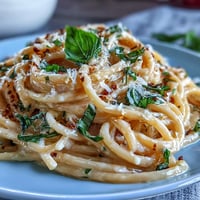
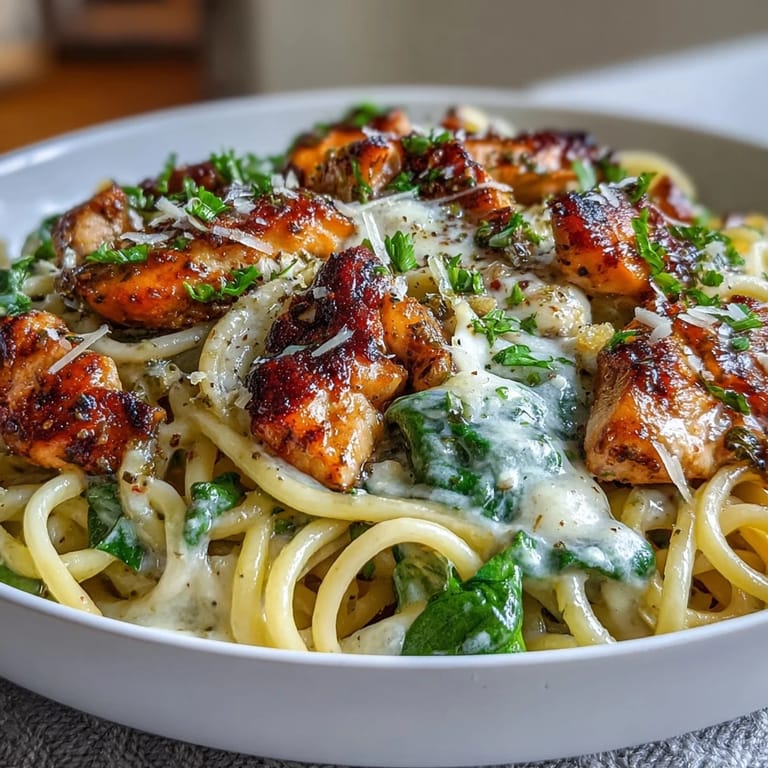
 Pin It
 There's something about the smell of lemon hitting a hot pan that instantly lifts my mood, even on the dreariest Tuesday. I stumbled onto this lemon orzo recipe completely by accident—my neighbor mentioned she'd made it for her daughter's soccer team dinner, and I couldn't stop thinking about how she described it: creamy, bright, and ready in under 45 minutes. That evening, I raided my pantry and discovered I had everything on hand, and what started as a quick weeknight dinner became the dish I now make whenever I want to feel like spring actually showed up in my kitchen.
I made this for my sister when she came home exhausted from a new job, and watching her face when she took the first bite reminded me that cooking doesn't always have to be complicated to feel meaningful. She asked for the recipe before she'd finished eating, and now it's become our text-message go-to when one of us needs dinner that tastes like care but doesn't require a culinary degree.
Ingredients
- Chicken breasts or thighs (500 g): Thighs stay juicier if you're not watching the clock obsessively, but breasts work beautifully too—just don't let them sit in the pan too long after they turn golden.
- Orzo pasta (250 g): That tiny rice-shaped pasta is the real MVP here; it soaks up the broth and cream like little flavor sponges instead of getting lost in a sauce.
- Fresh baby spinach (100 g): It wilts down to almost nothing, so don't be shy with the handful—the greens add nutrition without making the dish taste like salad.
- Yellow onion (1 medium): Dice it finely so it melts into the background and becomes sweet rather than sharp and assertive.
- Garlic (2 cloves): Mince it small and watch the pan carefully; burned garlic tastes bitter and can't be fixed, so 30 seconds is truly enough.
- Low-sodium chicken broth (900 ml): Using low-sodium lets you control the salt balance; regular broth can push the whole dish too far in one direction.
- Whole milk or half-and-half (120 ml): This is what makes it creamy without being heavy—it mingles with the lemon juice in a way that feels sophisticated.
- Lemon zest and juice (1 large lemon): Use a microplane for the zest so you get those delicate flakes rather than big bitter pith—it makes a genuine difference in brightness.
- Parmesan cheese (50 g): Freshly grated tastes noticeably better than pre-grated, and it melts more smoothly into the warm sauce.
- Olive oil (2 tbsp): Split it between cooking the chicken and the aromatics so nothing scorches and you build layers of flavor.
- Salt, black pepper, and chili flakes: Start conservative with the salt since the broth and cheese already contribute their own; add more at the end once you taste it.
- Fresh parsley (1 tbsp): That final scattered handful of green is as much about making it look inviting as it is about adding a fresh herbal note.
Tired of Takeout? 🥡
Get 10 meals you can make faster than delivery arrives. Seriously.
One email. No spam. Unsubscribe anytime.
Instructions
- Get the chicken golden:
- Heat a tablespoon of olive oil in a large, deep skillet over medium-high heat until it shimmers slightly. Add your chicken pieces, sprinkle them with salt and pepper, and let them sit undisturbed for a couple of minutes so they develop a proper golden crust on one side—that brown color is flavor. Cook for 5 to 7 minutes total, stirring occasionally, until the chicken is cooked through and no longer pink inside, then transfer to a plate and loosely drape foil over it to keep it warm.
- Build the aromatic base:
- Add the remaining tablespoon of olive oil to the same skillet. Sauté the diced onion for 2 to 3 minutes, stirring regularly, until it turns translucent and soft—you'll notice the kitchen smells suddenly sweeter. Add the minced garlic and let it cook for just 30 seconds, stirring constantly, until fragrant.
- Toast the orzo:
- Stir in the orzo pasta and keep moving it around with a wooden spoon for about a minute—you want each little grain to get lightly coated with oil and slightly toasted, which deepens its flavor before it hits the liquid.
- Simmer everything together:
- Pour in the chicken broth and bring the whole thing to a gentle boil, stirring occasionally. Reduce the heat to medium-low and let it simmer for 8 to 10 minutes, stirring every couple of minutes, until the orzo is tender and has absorbed most of the liquid—you want it creamy, not soupy.
- Bring it all back together:
- Return the cooked chicken to the skillet and stir in the spinach, letting it wilt for about 2 minutes in the warmth. Add the lemon zest, lemon juice, milk, and grated Parmesan, stirring constantly until everything is creamy and heated through—about 2 to 3 minutes. Taste it now and adjust the salt and pepper to your preference; sometimes a pinch more of zest helps if it feels like something's missing.
- Plate and finish:
- Serve immediately while everything is still warm and creamy. Scatter fresh parsley over the top and offer extra Parmesan at the table for anyone who wants it.
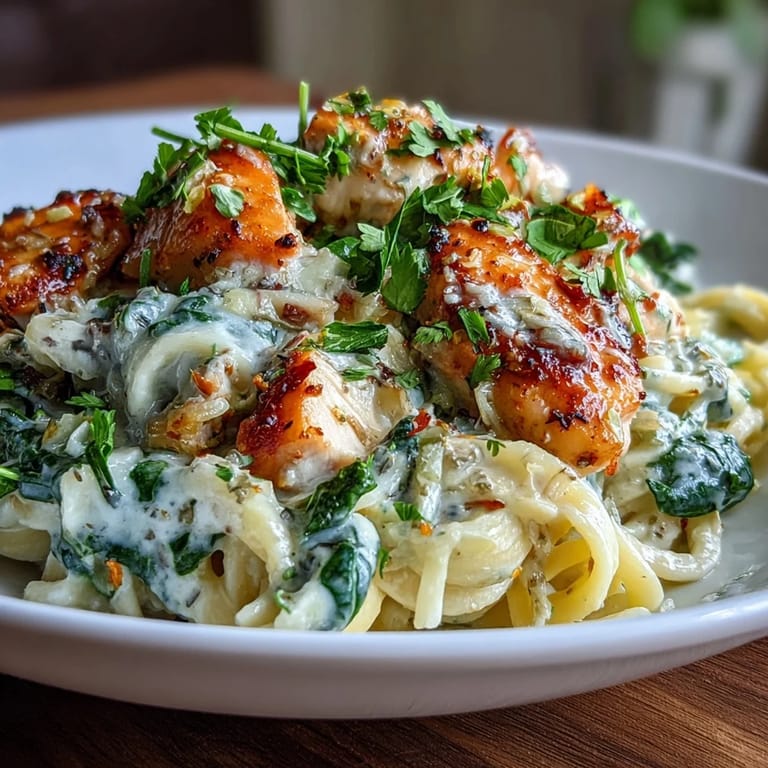 Pin It
 My daughter once asked why this tasted like someone had bottled springtime and poured it into pasta, which might be the best compliment I've ever received in the kitchen. That one comment made me understand that sometimes the simplest meals carry the biggest emotional weight because they taste like exactly what you needed at that moment.
When to Make This Dish
This recipe is perfect for those nights when you want something that feels special but doesn't demand hours of planning—it slides into a Tuesday dinner slot as easily as it works for a small gathering of friends. I've also made it when someone needed comfort food that wasn't heavy, and the bright lemon seems to lift spirits in a way that creamier, richer pasta dishes sometimes can't quite manage. The fact that it comes together in 40 minutes means you can decide at 5 o'clock to make it and still eat by 5:45, which has saved many evenings when my original dinner plan fell through.
How to Customize Without Losing the Spirit
The skeleton of this dish is sturdy enough to handle some gentle swaps without falling apart. I've substituted the spinach with other quick-cooking greens—arugula wilts in seconds and brings a peppery note, or kale works if you have a minute longer—and the dish transforms subtly while staying recognizable. Some variations I've tried that actually worked: adding roasted cherry tomatoes for bursts of sweetness, a handful of fresh dill instead of parsley for a different herb profile, or even a splash of white wine in place of some of the broth for a slightly more elegant feel.
Storage and Timing Notes
This dish is honestly best eaten the moment it's done, when the orzo is still creamy and the spinach hasn't started to darken. Leftovers work for the next day lunch if you store them in an airtight container—they'll have the texture of a slightly thicker pasta bake rather than the silky original, which isn't bad, just different. If you're reheating, add a splash of milk or broth to loosen it back up and warm it gently over low heat so the cream doesn't separate.
- Make the prep work easy by dicing your chicken and onion and mincing your garlic before you start cooking—having everything ready means you can move through each step smoothly without rushing.
- If you're cooking for guests, you can have the chicken cooked and the aromatics sautéed up to an hour ahead, then finish everything in the last 15 minutes right before serving.
- Zest your lemon before you juice it so you don't lose those delicate oils and flavor, and use the warmth of the pan to help release the lemon's brightness into the finished dish.
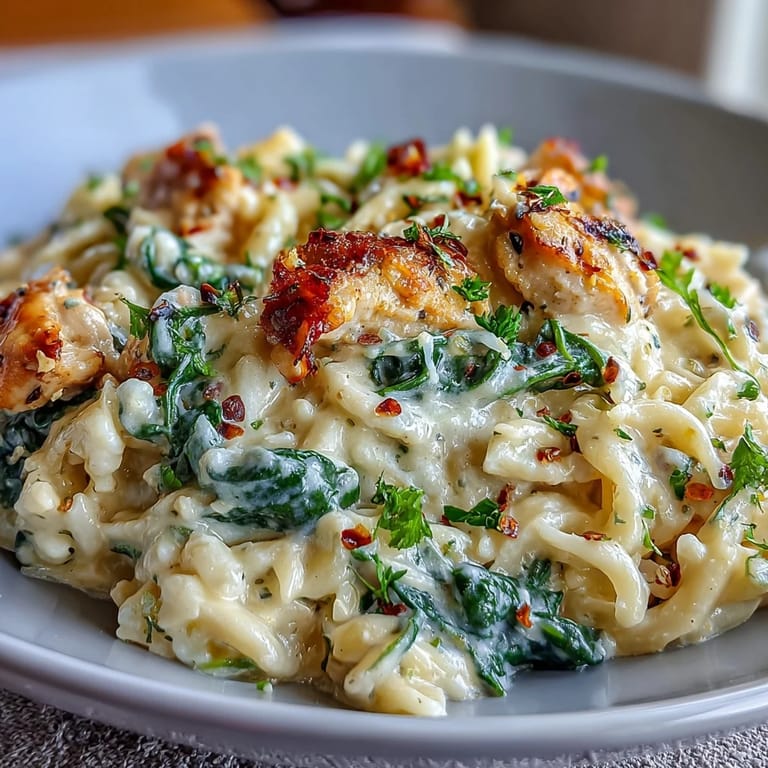 Pin It
 This lemon orzo has become the recipe I reach for when I want to prove to myself that dinner doesn't have to be complicated to feel like an accomplishment. There's something quietly satisfying about a one-skillet meal that tastes like spring and makes everyone around the table happier.
Recipe FAQs
- → What type of chicken works best?
Boneless, skinless chicken breasts or thighs both work well, cut into bite-sized pieces for even cooking.
- → Can I substitute the orzo pasta?
Yes, small pasta shapes like risoni or other rice-shaped pastas can be used as alternatives to orzo.
- → How is the creamy texture achieved?
The combination of Parmesan cheese and milk stirred in at the end creates a rich, creamy consistency.
- → Can this dish be made dairy-free?
Omit the milk and Parmesan or use dairy-free substitutes to make the dish suitable for dairy-free diets.
- → What are good wine pairings?
Crisp white wines like Sauvignon Blanc or Pinot Grigio complement the lemon and chicken flavors beautifully.
- → Is it better to marinate the chicken?
Marinating chicken briefly in lemon juice and garlic can enhance flavor but is optional for quick preparation.