 Pin It
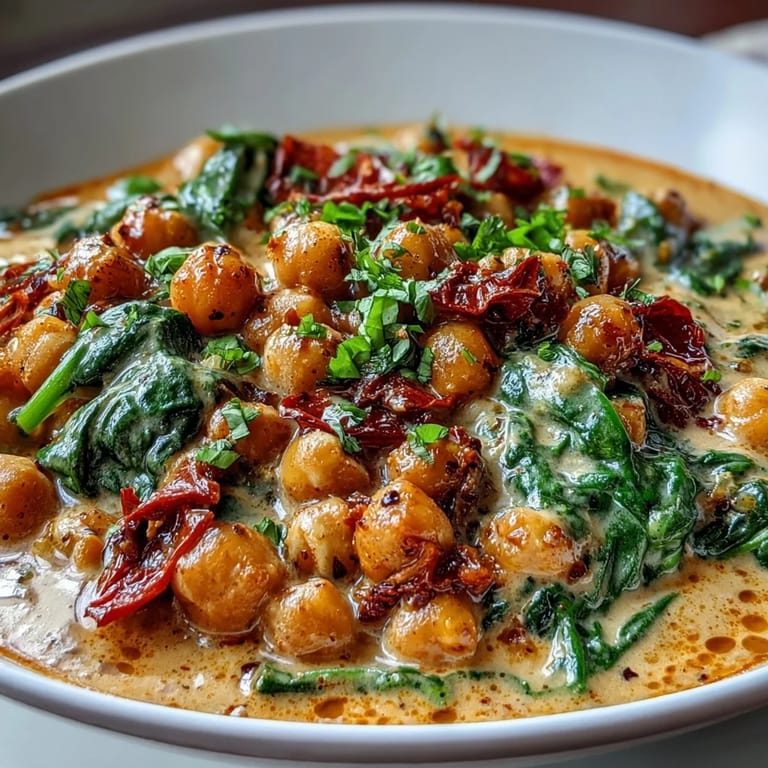
 My neighbor stood at my kitchen counter on a rainy Tuesday, sniffing the air like a dog catching a scent. That's when I knew this chickpea curry had something special—it made people pause mid-conversation just to ask what was cooking. I'd cobbled together the recipe from a half-remembered meal at an Indian restaurant and some late-night scrolling, but what emerged was something that felt less like following instructions and more like discovering a friend's secret comfort food.
I made this for my sister's book club night, unsure if a plant-based curry would impress people who expected traditional appetizers. By the end of the evening, three people were asking for the recipe, and one admitted she'd been skeptical about chickpeas until that moment. Food has a way of changing minds when you're not trying too hard.
Ingredients
- Vegetable oil: This is your cooking foundation—use whatever neutral oil you trust, and don't skimp on the amount because it helps the spices bloom beautifully.
- Onion, garlic, and ginger: This trio is non-negotiable; they're the flavor backbone that makes everything else sing.
- Ground cumin and coriander: These warm spices create the curry's soul—buy them fresh if you can, as they lose their punch after sitting around.
- Turmeric, garam masala, chili powder, and paprika: Layer these carefully; they're what transform simple ingredients into something aromatic and deeply satisfying.
- Chickpeas: Canned works wonderfully here, saving you hours of soaking and cooking.
- Coconut milk: Full-fat is the secret to creamy richness that no low-fat substitute can match.
- Diced tomatoes and vegetable broth: Together they create a sauce that's both tangy and balanced, letting the spices shine.
- Baby spinach: Optional, but it adds a gentle earthiness and vitamin boost in the final moments.
- Lime juice: This brightness at the end is the difference between good curry and one that makes people ask for seconds.
- Fresh cilantro and lime wedges: These garnishes aren't afterthoughts—they complete the experience.
Tired of Takeout? 🥡
Get 10 meals you can make faster than delivery arrives. Seriously.
One email. No spam. Unsubscribe anytime.
Instructions
- Start with aromatics:
- Heat your oil and let the diced onion soften for 4–5 minutes, watching it turn translucent and sweet-smelling. This slow foundation matters more than rushing it.
- Build the fragrance:
- Add garlic and ginger, cooking just long enough to wake them up without letting them brown. The aroma that hits you now is a preview of what's coming.
- Toast your spices:
- This is the moment that transforms the dish—add all those warm spices and stir constantly for about a minute, letting them release their oils into the hot pan. You'll smell the difference immediately.
- Create the sauce:
- Add chickpeas, tomatoes with their juice, coconut milk, and broth, stirring everything together until it looks like something worth simmering. The mixture should bubble gently, not violently.
- Let it simmer:
- Cover the pan and let it cook for 15 minutes, stirring now and then so nothing sticks to the bottom. This is when you can step back and maybe set the table or start rice.
- Finish with greens:
- If you're using spinach, add it now and watch it wilt into the hot curry within 2–3 minutes. It's like the dish is giving you one final hug.
- Brighten with lime:
- Squeeze in lime juice right at the end and taste carefully—this citrus note lifts everything and makes the spices pop. Adjust salt and heat to match your preference.
- Serve with intention:
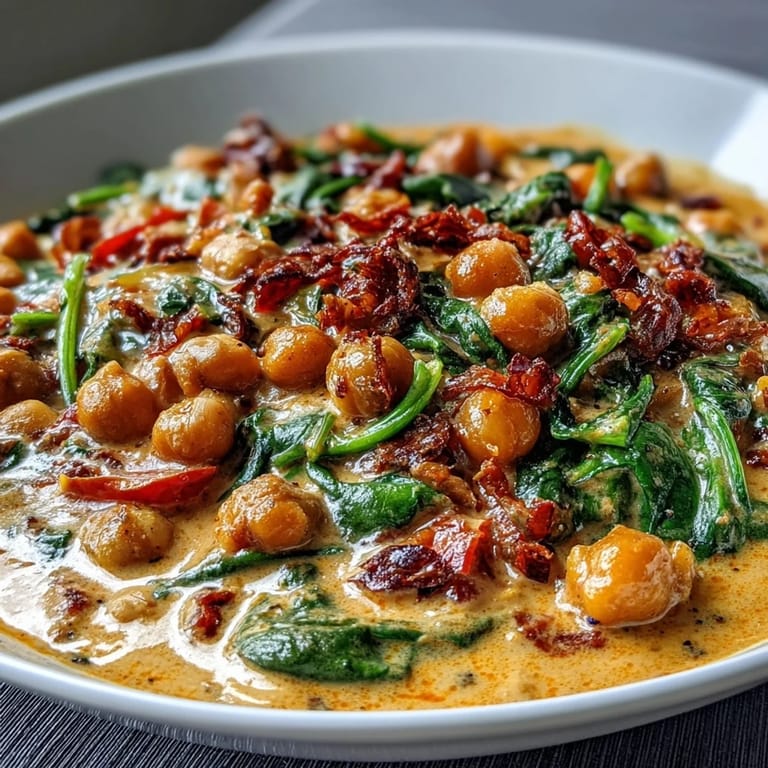
- Ladle it over rice or alongside naan, then top with fresh cilantro and a lime wedge. The presentation is as much part of the pleasure as the taste.
 Pin It
 What struck me most was how this humble pot of curry became the reason people lingered at my table longer than expected. There's something about food made with care that invites conversation and second helpings without apology.
Customizing Your Curry
I've learned that this base is endlessly adaptable once you understand the spice balance. Some nights I add diced sweet potato for earthiness, other times bell peppers for brightness and crunch. The curry welcomes additions without losing its identity.
The Heat Question
Chili powder is humble but demanding—respect its intensity. I start with half a teaspoon and taste before adding more, because you can always turn up the heat but you can't take it back. My partner prefers barely-there warmth while I like a gentle burn, so we now make it to her preference and she passes me the extra chili powder as a gift.
Serving Suggestions and Storage
This curry tastes even better the next day when flavors have settled and deepened—something I discovered when reheating leftovers with low expectations and high reward. It also freezes beautifully for up to three months, which means you can capture this moment anytime you need comfort on a plate.
- Pair it with basmati rice, brown rice, or naan depending on your mood and what you have on hand.
- Leftovers reheat gently over low heat with a splash of water to prevent sticking or drying out.
- Make it ahead for meal prep and spend your weeknight evening doing something other than cooking.
 Pin It
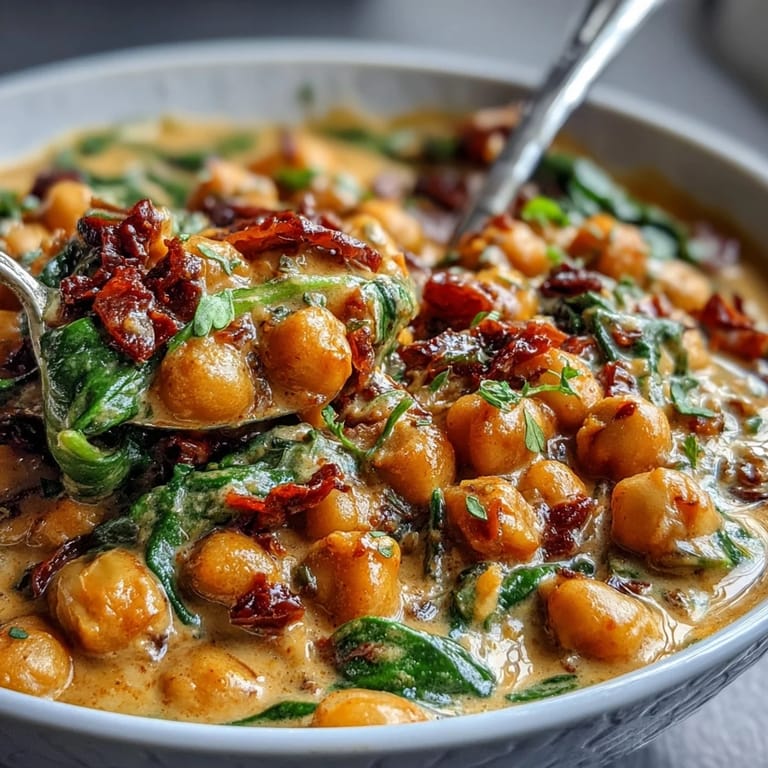
 This recipe proved to me that plant-based cooking isn't about compromise—it's about discovering what spices and good ingredients can do when given time and attention. Make it once and it becomes yours.
Recipe FAQs
- → Can I make this curry ahead of time?
Absolutely. The flavors actually deepen and improve after resting in the refrigerator for 1-2 days. Store in an airtight container and reheat gently on the stovetop, adding a splash of water or coconut milk if needed to restore consistency.
- → How can I make this curry thicker?
Simmer uncovered for the last 5-10 minutes to reduce the liquid and concentrate flavors. You can also mash a portion of the chickpeas against the side of the pan to create a creamier texture, or add a tablespoon of tomato paste or coconut flour.
- → What can I serve with chickpea curry?
Steamed basmati rice is classic, but brown rice, quinoa, or cauliflower rice work beautifully. Warm naan, roti, or gluten-free flatbread are perfect for soaking up the sauce. A side of cucumber raita or pickled onions adds refreshing contrast.
- → Can I freeze this curry?
Yes, it freezes well for up to 3 months. Cool completely before transferring to freezer-safe containers. Thaw overnight in the refrigerator and reheat on the stovetop. Note that coconut milk may separate slightly when frozen—simply whisk while reheating to smooth it out.
- → How do I adjust the spice level?
Start with less chili powder and add gradually to taste. For milder heat, omit the chili powder entirely and reduce paprika. To increase spiciness, add fresh minced jalapeño or serrano peppers with the garlic, or stir in cayenne pepper or red pepper flakes when toasting the spices.
- → Can I use dried chickpeas instead of canned?
Certainly. Soak 1 cup dried chickpeas overnight, then cook until tender (about 60-90 minutes). You'll need roughly 3 cups cooked chickpeas to replace the two cans. The cooking time may need slight adjustment to ensure the dried chickpeas fully absorb the spiced coconut sauce.