 Pin It
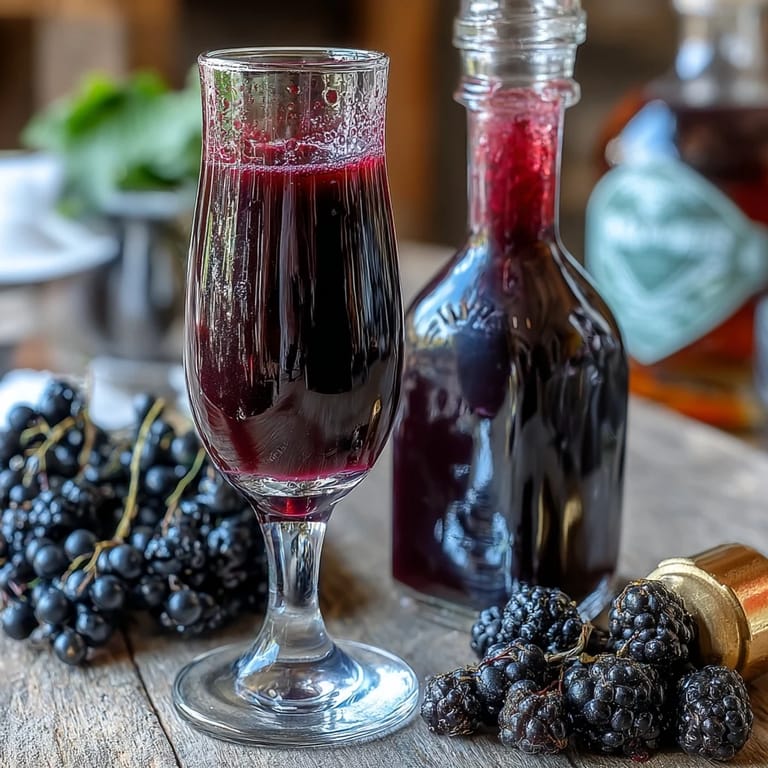
 My kitchen smelled like a farmer's market had exploded when I first decided to make blackcurrant liqueur on a rainy Sunday afternoon. A friend had dropped off a bag of frozen berries with a knowing smile, saying "you'll know what to do with these," and somehow I did. What started as a curious experiment—just fruit, sugar, and rum in a jar—turned into the kind of project that rewards patience, the sort where you shake a bottle daily like you're conducting a small kitchen orchestra. Two weeks later, I had liquid ruby sitting on my shelf, tart and sophisticated in a way that made me feel like I'd unlocked a secret.
I served this to my partner one winter evening, poured over ice in proper glasses we never use, and watched their expression shift from curiosity to genuine delight. Something about homemade liqueur changes how people drink it—more slowly, more intentionally, like they're tasting the story behind it. That night we actually talked for hours instead of scrolling through phones, which might sound silly but felt connected to this small bottle of effort and time.
Ingredients
- Fresh or frozen blackcurrants (500 g): These little gems pack a tart punch that rum loves to wrap around, and freezing them actually helps break down their cell walls, releasing more flavor faster than fresh ones would.
- Granulated sugar (300 g): This isn't just sweetness—it draws liquid from the berries through osmosis and becomes part of the infusion's body, creating that silky mouthfeel that makes it feel luxurious.
- White or golden rum (700 ml, at least 37.5% ABV): The backbone of your liqueur, and honestly worth buying something you'd actually drink straight, because you'll taste the quality in every sip once it's mixed with the fruit.
Tired of Takeout? 🥡
Get 10 meals you can make faster than delivery arrives. Seriously.
One email. No spam. Unsubscribe anytime.
Instructions
- Prep your berries like you mean it:
- Rinse and dry your blackcurrants thoroughly, removing every single stem and leaf—these can add bitterness if left behind. Pat them completely dry with a clean cloth so moisture doesn't dilute your final liqueur.
- Create your infusion base:
- Place the dry berries into your sterilized jar, then add the sugar directly on top. Using a muddler or the back of a sturdy spoon, gently crush the berries until they release their juices and the sugar starts breaking down—you want them bruised, not pulverized.
- Wake everything up with rum:
- Pour the rum over the fruit and sugar mixture, then stir thoroughly for a full minute so the sugar begins dissolving and the three components start becoming one. You'll notice the color shifting already, which is incredibly satisfying.
- Seal and shake with intention:
- Close that jar tight and shake it like you're conducting a small celebration—about thirty seconds of vigorous shaking helps everything mingle beautifully. Store it somewhere cool and dark, away from direct sunlight which would steal those gorgeous deep colors.
- Nurture it daily for one week:
- Every morning or evening, give that jar a good shake for about twenty seconds, watching how the color deepens and the sugar continues dissolving. This daily ritual is what separates lazy infusions from genuinely excellent ones.
- Let time do the real work:
- Now comes the hardest part—waiting between two to four weeks while the flavors marry and deepen. The longer you can resist opening it, the more complex and smooth your liqueur becomes, though two weeks gives you something absolutely delicious already.
- Strain with care:
- When you can't wait anymore, pour everything through a fine sieve lined with cheesecloth into a clean bottle, letting the liquid drip through slowly without forcing it. Don't squeeze the fruit solids—patience here keeps your liqueur crystal clear and elegant.
- Store and serve properly:
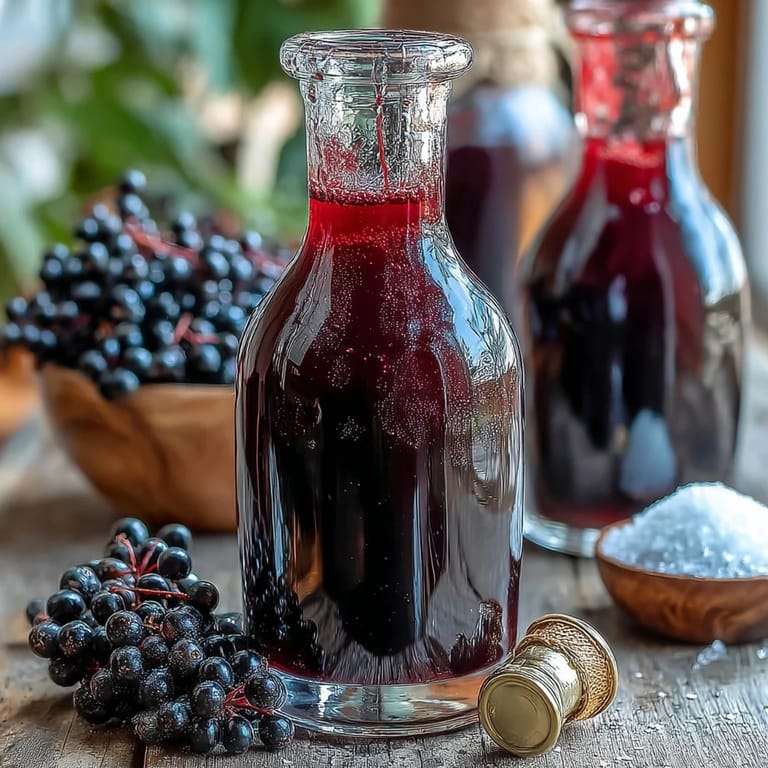
- Keep your finished liqueur in the refrigerator, where it'll stay fresh for months, and serve it chilled or over ice to really appreciate the silky texture and balanced flavors that patience created.
 Pin It
 What really shifted something for me was realizing this liqueur became more than just a drink—it was proof that good things actually do need time. In our culture of instant gratification, making something that demands you wait weeks feels almost rebellious.
Why Blackcurrants Matter
Blackcurrants are underrated in home cooking, honestly, sitting in the shadows while everyone celebrates raspberries and blueberries. Their tartness has this sophisticated edge that rum seems designed to complement, creating something neither ingredient could achieve alone. There's also something deeply satisfying about working with a fruit that feels slightly uncommon, like you're part of some secret culinary club.
The Art of Patience in a Bottle
Making liqueur forces you to think differently about cooking, because there's no rushing it, no shortcuts that actually work. You can't add more time at the end if you got impatient—you either waited or you didn't. This strange constraint actually became meditative for me, turning a simple jar into a daily reminder that some of life's best things require showing up consistently without expecting immediate results.
Serving Suggestions and Storage Secrets
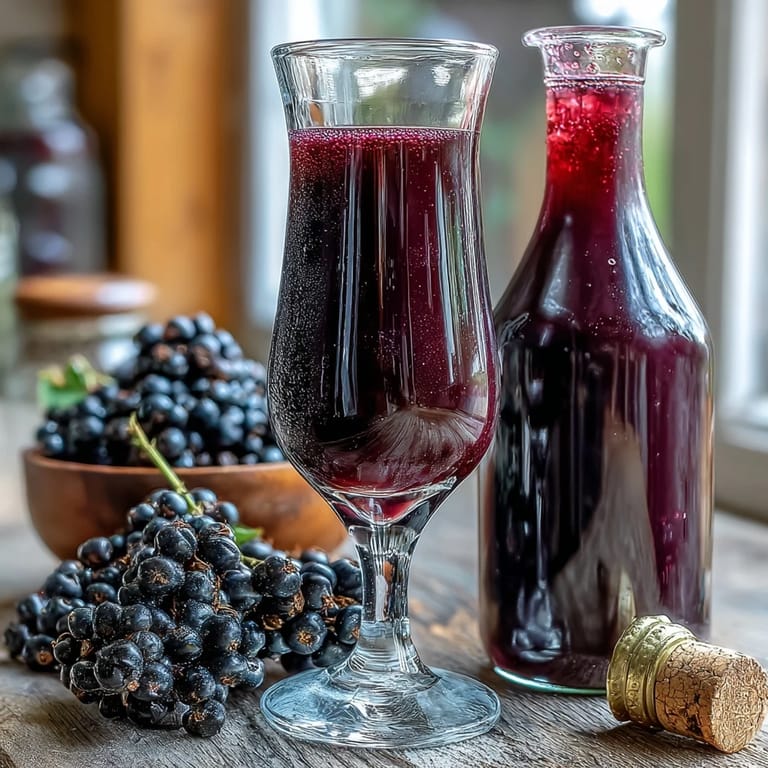
This liqueur transforms depending on how you serve it, and I've loved experimenting with different contexts. Chilled and neat, it's a proper digestif that earns you thoughtful nods from actual cocktail enthusiasts. Over ice, it becomes something more approachable and summery, while a splash in desserts or over ice cream feels decadent in a way that costs nothing extra.
- Save those boozy blackcurrants left in the strainer—they're stunning over vanilla ice cream or folded into chocolate mousse.
- Keep your finished liqueur away from sunlight, which fades the color but doesn't affect flavor, though honestly keeping it looking jewel-like is half the appeal.
- This stuff actually improves for months in the refrigerator, developing even more complexity, so don't rush to drink it all immediately.
 Pin It
 There's something quietly powerful about opening a bottle you made yourself months ago and tasting exactly what you envisioned. That's the real reward here, beyond the excellent liqueur.
Recipe FAQs
- → How long does blackcurrant liqueur need to infuse?
Blackcurrant liqueur requires 2-4 weeks of infusion time for optimal flavor development. Shake daily during the first week to dissolve sugar and distribute flavors. For deeper, more complex notes, extend infusion up to 2 months.
- → Can I use frozen blackcurrants instead of fresh?
Absolutely. Frozen blackcurrants work beautifully and are often more accessible. Thaw them slightly before use, and ensure they're thoroughly dried before adding to the jar. The freezing process actually helps break down cell walls, potentially releasing more juice during infusion.
- → What's the best alcohol base for blackcurrant liqueur?
White or golden rum (37.5% ABV or higher) is traditional and complements blackcurrant's tartness beautifully. Vodka creates a cleaner, neutral profile highlighting pure fruit flavor. Brandy adds depth and warmth. Choose based on your preferred flavor profile and what you enjoy drinking.
- → How should I store the finished liqueur?
After straining, store your blackcurrant liqueur in a sealed bottle in the refrigerator. The cool temperature preserves freshness and maintains optimal serving consistency. Properly stored, it will keep for 6-12 months, though the vibrant color may darken slightly over time.
- → Can I reduce the amount of sugar in this liqueur?
You can reduce sugar slightly, but it plays a crucial role beyond sweetness—it helps extract fruit compounds and balances blackcurrant's natural tartness. For a less sweet version, try 250g instead of 300g, but avoid reducing further as the liqueur may taste overly acidic and harsh.
- → What can I do with the leftover alcohol-soaked blackcurrants?
Don't discard those boozy berries! They're perfect folded into chocolate cake batter, spooned over vanilla ice cream, or simmered into a compote for topping pancakes or waffles. The alcohol-infused fruit adds sophisticated depth to desserts and creates zero waste.