 Pin It
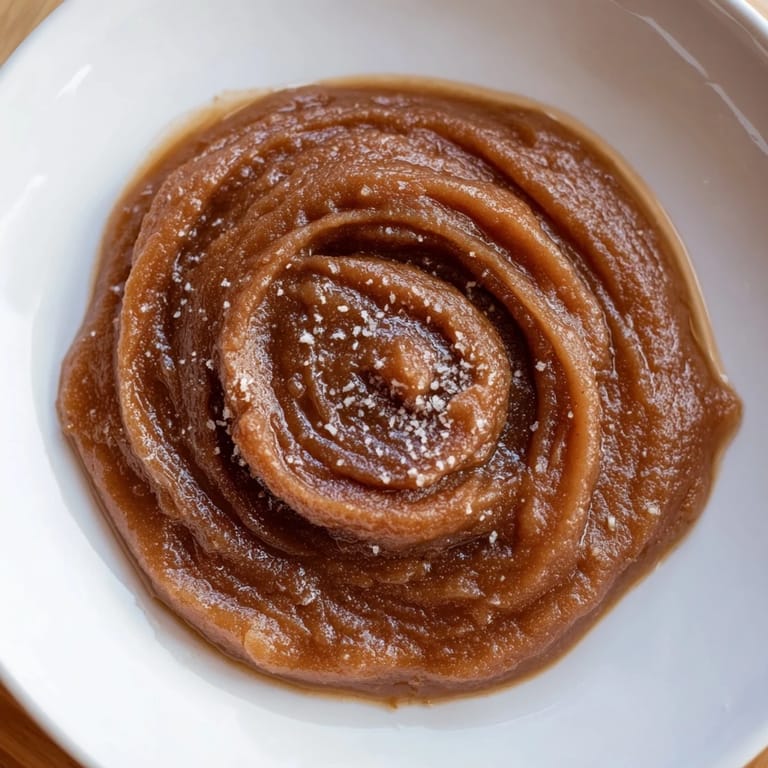
 There's something almost meditative about watching dates transform in a pan of golden ghee, the kitchen filling with that warm, honeyed sweetness that pulls you right back to early mornings in the Emirates. Al Madrooba arrived in my life not through a formal recipe but through a friend's quiet insistence that I needed to taste what her grandmother made, and when I finally understood the magic—just dates and ghee, nothing more—I realized the simplicity was the whole point. This isn't fancy kitchen work; it's the kind of breakfast that feeds you deeply and sends you into the day with real energy.
I remember spreading this on warm flatbread at my neighbor's kitchen table while she told me stories about eating it as a child before school, how her mother would make a batch that lasted through the week. The conversation kept circling back to how something so modest—just fruit and fat—could taste like comfort and tradition all at once. That's when I started making it myself, and now it's become one of those rare dishes that tastes the same whether I'm eating it alone or sharing it with people I care about.
Ingredients
- Medjool dates (400 g, pitted): Soft, plump Medjools are essential here—they mash into silk without fight, and their natural caramel notes are the whole reason this dish works. Avoid the drier varieties; they'll fight you and won't cream properly.
- Ghee (3 tbsp): This golden, nutty fat is what lifts the dates from simple mashed fruit into something rich and glowing. The flavor matters enormously, so if you can find good quality ghee, it's worth it.
- Ground cardamom (1/2 tsp, optional): Just a whisper of this spice adds a floral note that makes people pause mid-bite and wonder what they're tasting.
- Sea salt (a pinch, optional): A tiny bit sharpens everything without making it taste salty, just more itself.
Tired of Takeout? 🥡
Get 10 meals you can make faster than delivery arrives. Seriously.
One email. No spam. Unsubscribe anytime.
Instructions
- Prep your dates:
- If you're starting with whole dates, split them open and pull out the pits—they come away cleanly if the dates are fresh. Give them a rough chop so they melt into the ghee faster.
- Warm the ghee gently:
- Medium-low heat is your friend here. Ghee doesn't need much heat, just enough to become liquid and fragrant. You'll know it's ready when it smells like buttered popcorn.
- Add dates and start stirring:
- The moment dates hit warm ghee, they begin to soften and collapse. Use a wooden spoon and keep a steady rhythm, scraping the bottom and sides so nothing sticks. This takes about 3 to 5 minutes, and you'll feel the resistance melt as you stir.
- Watch for the paste to come together:
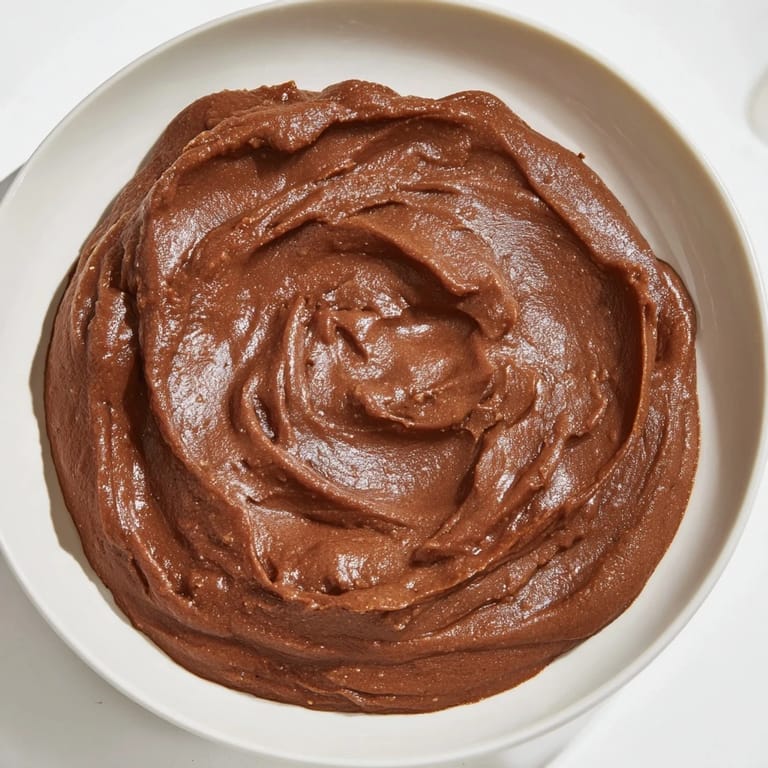
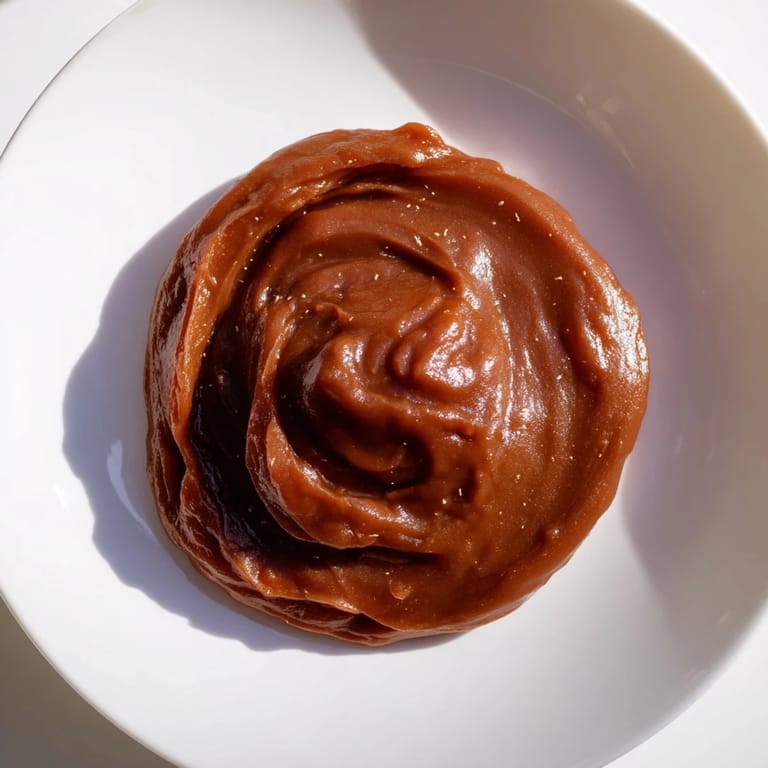
- You're aiming for something glossy and thick, with no visible date chunks but also not completely smooth—some slight texture is actually beautiful. If it looks too thick, it'll firm up as it cools, so err on the side of slightly looser than you'd think.
- Season and finish:
- Sprinkle in cardamom and a pinch of salt, then mix for another 30 seconds or so. The warmth releases the spice's oils, and everything blooms.
- Cool slightly before serving:
- Let it sit off heat for a minute or two. It thickens as it cools, so timing this is part of getting the texture right.
 Pin It
 Years ago, I brought a jar of this to a friend's house, still warm in my hands, and watched three different people taste it in three different ways—one with bread, one with a spoon, one with a finger dipped straight in. There's something about a dish that's flexible like that, that doesn't insist on being eaten one way, that made me realize how truly Emirati this is. It's not performing; it's just nourishing.
Choosing Your Dates
The quality of your dates shapes everything here. Medjools have that soft, almost butter-like texture that surrenders to the spoon without becoming gritty, but if you can find fresh ones from a Middle Eastern market, even better. I learned this the hard way after buying dates from a regular supermarket and wondering why they stayed chunky—they were old, and old dates fight back. Freshness isn't a luxury here; it's the foundation.
The Right Heat and Timing
This dish demands patience that you don't have to earn through years of practice, just through paying attention for five minutes. Low, steady heat means the dates soften evenly and the ghee keeps its nutty character instead of browning. I used to rush this, turning up the heat like that would make it faster, until someone pointed out that slower stirring over lower heat actually finishes quicker because nothing sticks or burns.
Variations and Serving Ideas
Once you understand the basic formula, you can drift from it in gentle ways that still honor the tradition. Some mornings I'll fold in finely chopped pistachios for a subtle crunch, or add a tiny bit of rose water for something more perfumed and delicate. The classic way is with warm flatbread or khameer, tearing the bread and using it as a edible spoon, but there's no rule that says you can't enjoy it differently.
- For a vegan version, use coconut oil in place of ghee—it won't taste identical, but it becomes something new and still delicious.
- A pinch of sea salt can completely change the perception of sweetness, making everything taste more refined.
- Keep it simple for breakfast, or layer it with yogurt for a more substantial meal.
 Pin It
 This dish is proof that sometimes the most satisfying food asks the least of you. It's a kind of breakfast that feels both simple and special, ordinary and treasured at once.
Recipe FAQs
- → What type of dates work best for Al Madrooba?
Soft, fresh Medjool dates yield a smooth and naturally sweet base, ideal for this spread.
- → Can ghee be substituted in this dish?
Yes, unsalted butter can soften the flavor, or coconut oil serves as a vegan-friendly alternative.
- → How is the creamy texture achieved?
Continuous mashing while cooking allows the dates to soften and incorporate with ghee, creating a glossy paste.
- → Is cardamom necessary in the preparation?
Cardamom adds a delicate warmth and aromatic depth but is optional depending on taste preference.
- → What are common serving suggestions?
Serve warm or cool alongside fresh flatbread, khameer, or pita for a satisfying complement.