 Pin It
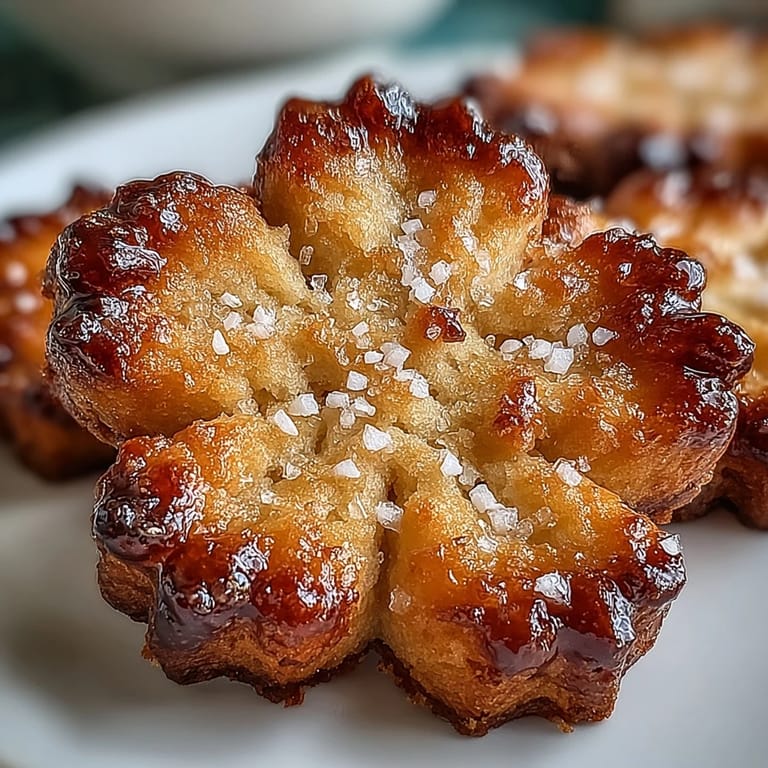
 My neighbor brought over a tin of these flower-shaped shortbread cookies one spring afternoon, and I was instantly transported to a British tearoom I'd visited years before. The butter melted on my tongue with such elegant simplicity that I had to know how to make them myself. When she finally shared her method, I realized the magic wasn't in complexity but in respecting the ingredient quality and not overworking the dough. That first batch I made felt like unlocking a secret, especially when I pressed tiny edible flower petals into the tops before baking.
Last spring, I made these for a small garden party and watched guests pick them up with both admiration and hesitation, as if they were almost too pretty to eat. Someone asked if I'd bought them from a bakery, and honestly, that's when I knew I'd nailed it. The conversation drifted from cookie to cookie, and I realized these delicate little flowers had somehow become the heart of the afternoon.
Ingredients
- Unsalted butter, softened: The foundation of everything—room temperature butter creams properly and creates that light, airy texture that makes these cookies melt in your mouth.
- Granulated sugar: Keeps the sweetness balanced without overwhelming the buttery flavor, and the amount here is deliberately modest.
- All-purpose flour: Use a good quality flour; I've noticed it makes a subtle but real difference in the final texture.
- Cornstarch: This is the secret ingredient that gives shortbread its signature tender, almost sandy crumb—never skip it.
- Fine sea salt: A quarter teaspoon might sound tiny, but it amplifies the buttery notes and prevents the cookies from tasting flat.
- Vanilla extract: A full teaspoon ensures the vanilla whispers through without being aggressive.
- Sanding sugar or colored sprinkles: These are purely for looks, but they catch the light beautifully and add a subtle crunch.
- Powdered sugar and edible flower petals: Optional decorations that transform these cookies into edible art, though they're stunning even without them.
Tired of Takeout? 🥡
Get 10 meals you can make faster than delivery arrives. Seriously.
One email. No spam. Unsubscribe anytime.
Instructions
- Get your oven ready:
- Preheat to 350°F and line two baking sheets with parchment paper so your cookies don't stick and bake evenly.
- Cream the butter and sugar:
- Beat them together until the mixture looks pale and fluffy, about two to three minutes—this incorporates tiny air pockets that make the cookies tender. You'll know it's ready when it resembles soft clouds.
- Add the vanilla:
- Stir it in gently so it's evenly distributed throughout the buttery base.
- Mix the dry ingredients separately:
- Whisk the flour, cornstarch, and salt together in another bowl to combine them evenly and avoid lumps.
- Bring it all together:
- Add the dry mixture to the wet ingredients and stir just until combined—stop as soon as you don't see streaks of flour. Overworking develops gluten, which makes shortbread tough instead of tender.
- Roll and cut:
- Dust your work surface lightly with flour and roll the dough to a quarter-inch thickness, then use your flower cutter to cut shapes and place them on the prepared sheets about an inch apart.
- Add your finishing touch:
- If decorating, sprinkle sanding sugar or gently press edible flower petals into the tops now, while the dough is still soft enough to hold them.
- Bake to golden perfection:
- Bake for 12 to 15 minutes until just the edges show the faintest golden color—the centers will still look pale and slightly underdone, but they'll firm up as they cool. This is where patience pays off.
- Cool with intention:
- Let them sit on the baking sheet for five minutes to set slightly, then transfer to a wire rack to cool completely. They'll crisp up as they cool, which is part of the magic.
- Final embellishment:
- Once completely cool, dust with powdered sugar or pipe on delicate pastel icing if you're feeling fancy.
 Pin It
 I'll never forget the silence that fell over the kitchen when my friend bit into one of these cookies, her eyes closing as if she'd discovered something sacred. Sometimes food transcends being just sustenance and becomes a small moment of joy, and these delicate flowers somehow manage exactly that.
Flavor Variations Worth Trying
The base recipe is perfect on its own, but I've had such fun experimenting with subtle flavor additions. A teaspoon of finely grated lemon or orange zest added to the dough creates a bright, sophisticated note that pairs beautifully with afternoon tea, and you'll notice the citrus brightens without overpowering the buttery foundation. Almond extract (just a quarter teaspoon) adds an almost mysterious depth, while a pinch of ground cardamom transforms these into something you'd find in a Scandinavian bakery.
The Art of Decoration
These cookies are forgiving canvases for decoration, which makes them perfect for seasonal entertaining. Edible flower petals pressed into the dough before baking create an elegant botanical effect, while pastel-colored royal icing piped on after baking lets you get creative without much fuss. I've also experimented with dusting them with pearl dust mixed into edible gum paste, which gives an almost iridescent shimmer that catches light beautifully when they're arranged on a tiered cake stand.
Storage and Serving Suggestions
These cookies keep remarkably well when stored properly, which means you can make them days ahead of a gathering without stress. Keep them in an airtight container at room temperature—they'll stay fresh and crispy for up to a week, though honestly they rarely last that long in my house. Stack them between sheets of parchment paper so they don't crack, and store them away from humidity.
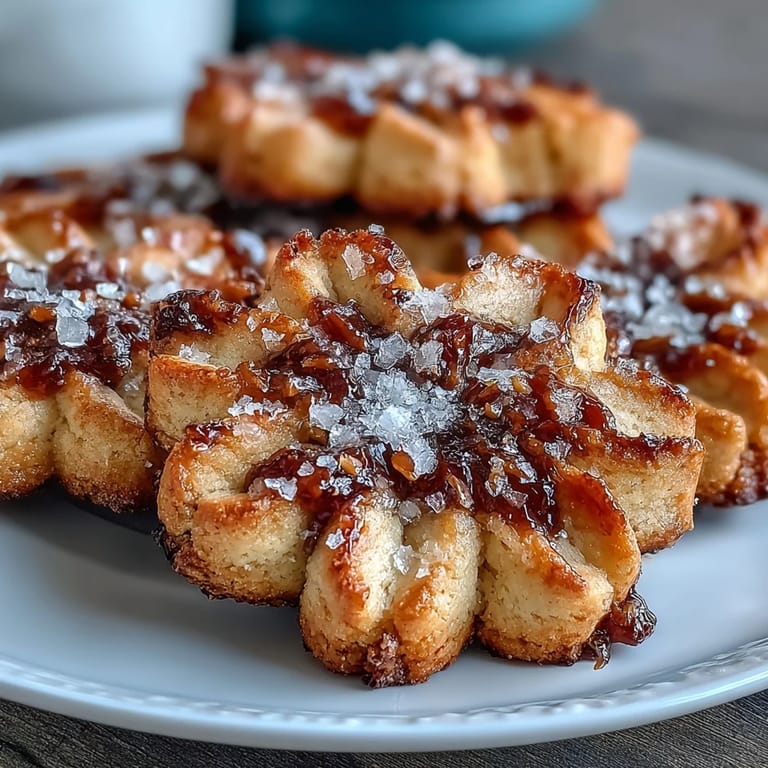
- Serve them alongside Earl Grey tea for an authentic British afternoon tea experience.
- Stack a few on a dessert plate with fresh berries and whipped cream for an elegant individual plated dessert.
- Pack them in a pretty tin as a thoughtful homemade gift that feels far more special than anything store-bought.
 Pin It
 There's something deeply satisfying about making these cookies, knowing you're creating something beautiful with just a handful of simple ingredients. Every time I pull a fresh batch from the oven, it feels like a small victory worth celebrating.
Recipe FAQs
- → How do I achieve a tender texture in these cookies?
Using softened butter and not overworking the dough ensures a tender, crumbly texture. The cornstarch also helps soften the bite.
- → Can I add flavor variations to the dough?
Yes, adding a teaspoon of finely grated lemon or orange zest brightens the flavor without overpowering the buttery base.
- → What is the best way to decorate these cookies?
Lightly pressing edible flower petals or sprinkling coarse sanding sugar before baking adds a charming decorative effect. Dusting powdered sugar or using pastel icing after cooling works well too.
- → How thick should I roll the dough?
Roll the dough to approximately 1/4-inch (6 mm) thickness for even baking and a delicate crumb.
- → How should the cookies be stored?
Store in an airtight container at room temperature for up to one week to maintain freshness and texture.
- → Are these suitable for vegetarian diets?
Yes, these shortbreads contain no meat products but do include dairy and wheat ingredients.