 Pin It
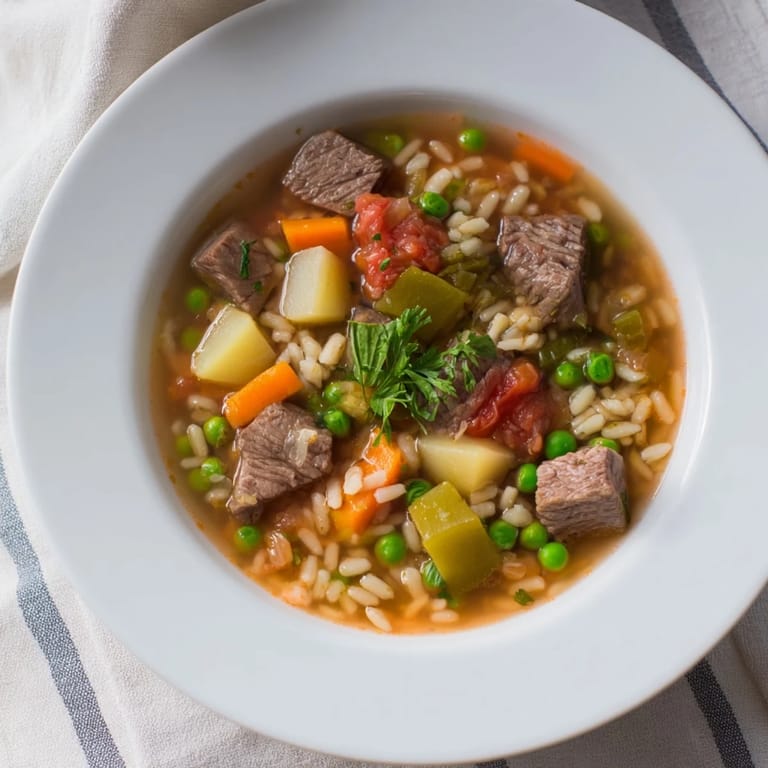
 I started making this soup on Sundays when the weather turned cold and I had a freezer full of stew meat I kept forgetting about. The first batch was an experiment with whatever vegetables were sitting in the crisper drawer. What came out of that pot was so much better than I expected—thick, hearty, and the kind of soup that made the whole house smell like someone's grandmother had been cooking all day. I've been making it ever since, and it's become my go-to when I need something that feels like a warm blanket in a bowl.
I remember ladling this into mismatched bowls for a group of friends who showed up unannounced one rainy evening. Nobody expected much from a pot of soup, but they all went back for seconds and one friend texted me the next day asking for the recipe. That's when I realized this wasn't just dinner, it was the kind of meal that made people feel taken care of without any fuss.
Ingredients
- Beef stew meat (1 ½ lbs): I cut mine into bite-sized cubes so they cook evenly and get tender without falling apart, and browning them first adds a deep, caramelized flavor to the whole pot.
- Olive oil (2 tablespoons): Just enough to brown the beef and soften the vegetables without making the soup greasy.
- Onion (1 large, diced): The base of almost everything I make, it melts into the broth and adds sweetness that balances the savory beef.
- Carrots (3, peeled and sliced): They hold their shape through the long simmer and add a hint of natural sweetness that rounds out the flavor.
- Celery (2 stalks, sliced): Adds a subtle earthy note and a bit of texture that keeps the soup interesting.
- Garlic (3 cloves, minced): I wait until the vegetables soften before adding it so it doesn't burn and turn bitter.
- Russet potato (1 large, peeled and diced): Breaks down just a little during cooking and helps thicken the broth naturally.
- Frozen peas (1 cup): I toss these in at the end so they stay bright and tender instead of turning mushy.
- Diced tomatoes (1 can, 14.5 oz, with juices): The juices add acidity that brightens the whole pot and keeps it from tasting flat.
- Pearl barley (¾ cup, rinsed): This is what makes the soup hearty and filling, it absorbs the broth and turns wonderfully chewy.
- Beef broth (8 cups): The backbone of the soup, I use low-sodium so I can control the salt myself.
- Water (1 cup): Just a little extra liquid to keep everything loose and soupy as the barley swells.
- Bay leaves (2): They add a subtle herbal depth that you only notice when you forget to add them.
- Dried thyme (1 teaspoon): Earthy and warm, it pairs perfectly with beef and vegetables.
- Dried oregano (1 teaspoon): A hint of brightness that keeps the soup from tasting one-note.
- Black pepper (½ teaspoon): Just enough to add a little heat without overpowering the other flavors.
- Salt (1 ½ teaspoons, or to taste): I start with less and adjust at the end because the broth and tomatoes already bring some saltiness.
- Fresh parsley (2 tablespoons, chopped, optional): A sprinkle on top makes it look prettier and adds a fresh pop that cuts through the richness.
Tired of Takeout? 🥡
Get 10 meals you can make faster than delivery arrives. Seriously.
One email. No spam. Unsubscribe anytime.
Instructions
- Brown the Beef:
- Heat the olive oil in a large heavy-bottomed pot over medium-high heat until it shimmers, then add the beef cubes in a single layer and let them sizzle undisturbed for a couple of minutes before turning. You want a deep golden crust on all sides, which takes about 5 minutes total, then remove the beef and set it aside.
- Soften the Vegetables:
- Toss the onion, carrots, and celery into the same pot and stir them around in the leftover beef drippings, scraping up any browned bits stuck to the bottom. Let them cook for about 5 minutes until the onion turns translucent and the vegetables start to soften.
- Add the Garlic:
- Stir in the minced garlic and cook for just 1 minute, stirring constantly so it releases its fragrance without burning.
- Build the Soup:
- Return the browned beef to the pot along with the diced potatoes, diced tomatoes with their juices, rinsed barley, bay leaves, thyme, oregano, salt, and pepper. Pour in the beef broth and water, then give everything a good stir to combine.
- Simmer Until Tender:
- Bring the pot to a boil, then reduce the heat to low, cover, and let it simmer gently for 1 ½ hours, stirring occasionally to keep the barley from sticking. The beef should be fork-tender and the barley plump and chewy when it's done.
- Finish with Peas:
- Stir in the frozen peas during the last 10 minutes of cooking so they stay bright and tender. Taste the soup and add more salt or pepper if needed.
- Serve:
- Remove the bay leaves and ladle the soup into bowls, then sprinkle with fresh parsley if you have it. Serve hot with crusty bread or crackers on the side.
 Pin It
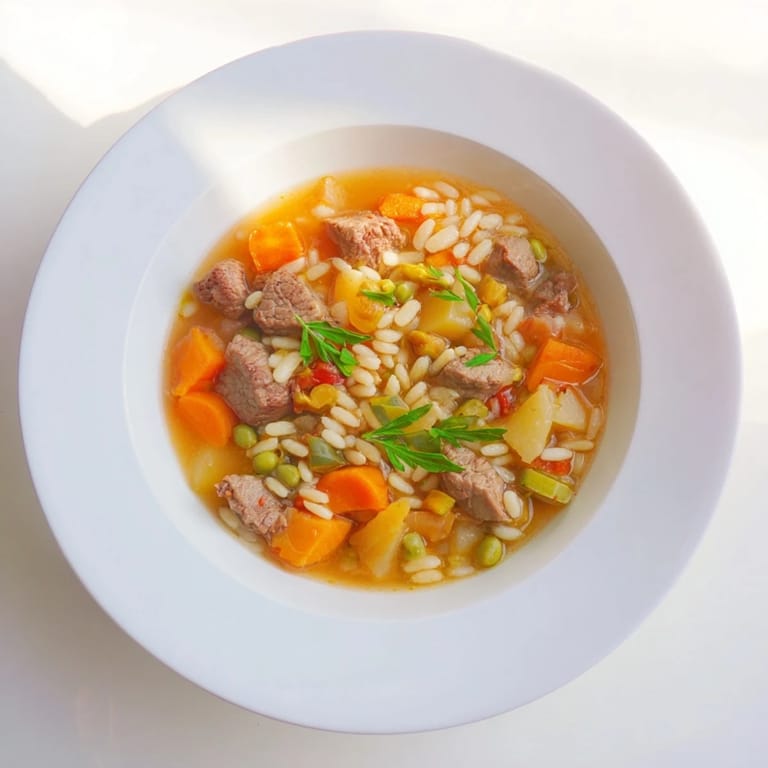
 There was a night I made this after a long week and forgot to set a timer. I wandered back to the kitchen an hour and forty minutes later to find the soup thick, fragrant, and absolutely perfect. It was the first time I realized that some recipes are forgiving enough to take care of themselves, and this one has never let me down since.
How to Store and Reheat
I keep leftovers in an airtight container in the fridge for up to three days, and they actually taste better the next day once all the flavors have had time to meld. The barley will soak up more liquid as it sits, so I add a splash of broth or water when reheating on the stove or in the microwave. If you want to freeze it, let the soup cool completely first, then portion it into freezer-safe containers and freeze for up to three months.
Customizations and Swaps
If you need this to be gluten-free, swap the barley for brown rice or quinoa and adjust the cooking time since they cook faster. I've also added a splash of Worcestershire sauce or a tablespoon of tomato paste for a deeper, richer flavor when I'm in the mood. You can toss in mushrooms, parsnips, or even a handful of spinach at the end if you want to sneak in more vegetables.
Serving Suggestions
This soup is a full meal on its own, but I love serving it with a thick slice of crusty bread or a simple green salad on the side. On colder nights, I'll grate a little Parmesan over the top or add a dollop of sour cream for extra richness. It's also great packed in a thermos for lunch the next day.
- Serve with warm sourdough or a baguette for dipping.
- Pair with a crisp side salad dressed in lemon vinaigrette.
- Top with grated cheese or a swirl of sour cream if you want it richer.
 Pin It
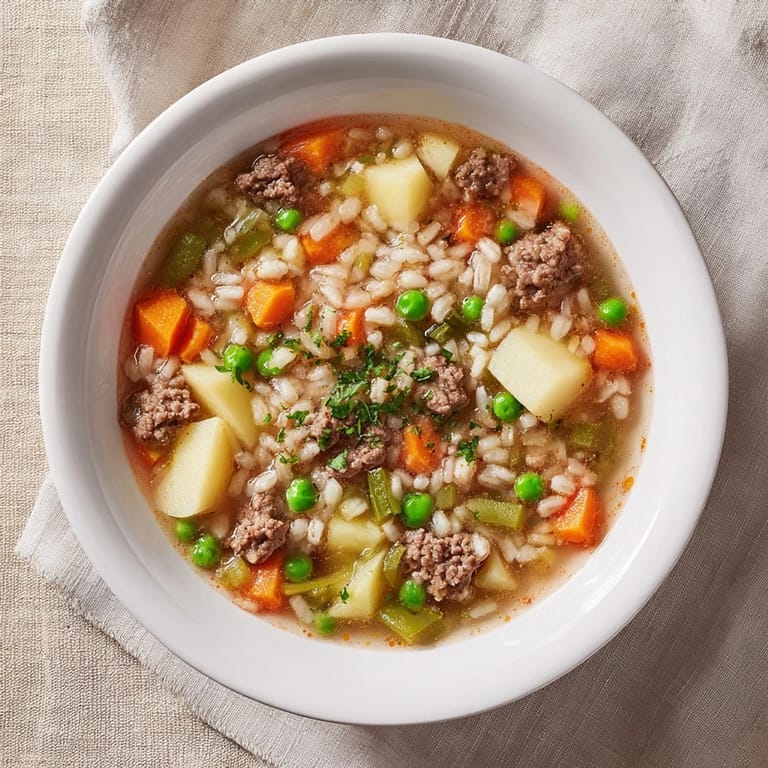
 This soup has become my answer to almost everything, whether it's a busy weeknight, an unexpected guest, or just the need for something warm and nourishing. I hope it finds a spot in your kitchen the way it has in mine.
Recipe FAQs
- → What type of beef works best for this dish?
Beef stew meat cut into 1-inch cubes works well, as it becomes tender during slow simmering.
- → Can I substitute barley for a gluten-free option?
Yes, brown rice or quinoa are great gluten-free alternatives that maintain texture and heartiness.
- → When should I add the peas for best texture?
Frozen peas should be added in the last 10 minutes of cooking to retain their bright color and slight firmness.
- → How can I deepen the soup's flavor?
Adding a splash of Worcestershire sauce before simmering enhances the savory depth of the broth.
- → What are suitable side accompaniments for this dish?
Crusty bread or a fresh green salad pairs well to balance the rich, hearty soup.