 Pin It
 The first blood oranges of the season showed up at the farmers market on a cold February morning, their deep ruby flesh almost too pretty to slice. I bought a bag on impulse, drawn in by their jewel-toned color and the vendor's promise that they'd make anything taste like sunshine. That afternoon, I folded their juice and zest into a simple yogurt cake batter, and the kitchen filled with a scent so bright and sweet it felt like defiance against the gray sky outside. When I pulled that loaf from the oven, golden and fragrant, I knew I'd stumbled onto something worth repeating.
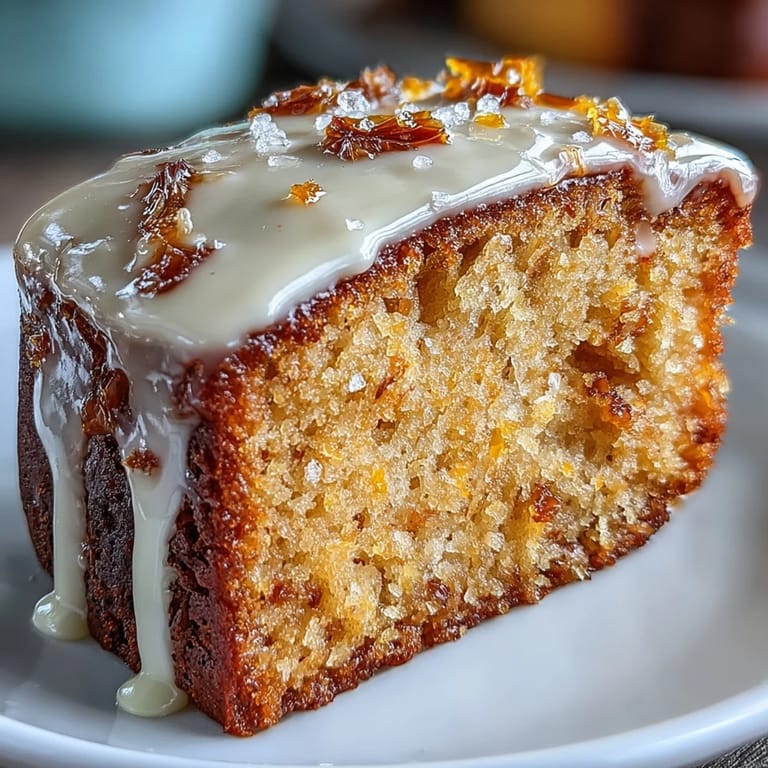
I made this cake for a friend's birthday brunch, nervously hoping the color would hold through baking. When I sliced into it at the table, everyone leaned in to see the pale golden crumb flecked with tiny bits of zest, and someone said it looked like it had been kissed by the sun. We ate it slowly with coffee, letting the conversation drift, and I realized this was the kind of cake that doesn't need fanfare or occasion. It just makes an ordinary morning feel a little more special.
Ingredients
- All-purpose flour: The foundation of the crumb, measured correctly by spooning into the cup and leveling off to avoid a dense loaf.
- Baking powder: Gives the cake its gentle rise and airy texture, so make sure yours is fresh and active.
- Salt: Just a pinch to balance the sweetness and let the citrus shine through.
- Plain Greek yogurt: Adds richness and tang while keeping the cake moist for days, use full-fat for the best flavor.
- Granulated sugar: Sweetens without overpowering, and helps create that tender, delicate crumb.
- Large eggs: Bring them to room temperature so they blend smoothly and don't seize the melted coconut oil.
- Blood orange zest: Where all the aromatic oils live, use a light hand and avoid the bitter white pith.
- Blood orange juice: Freshly squeezed is non-negotiable here, it brings brightness that bottled juice simply can't match.
- Vanilla extract: A warm backdrop that lets the citrus take center stage without competing.
- Coconut oil: Melted and cooled slightly, it adds moisture and a subtle tropical whisper that complements the orange beautifully.
- Powdered sugar: Sifted for a silky icing that drapes over the cake in smooth, glossy ribbons.
Tired of Takeout? 🥡
Get 10 meals you can make faster than delivery arrives. Seriously.
One email. No spam. Unsubscribe anytime.
Instructions
- Prep the pan and preheat:
- Set your oven to 350°F and take a moment to generously butter and flour your loaf pan, paying special attention to the corners. If you're using parchment, let it hang over the sides for easy lifting later.
- Combine the dry ingredients:
- Whisk the flour, baking powder, and salt together in a medium bowl until evenly distributed. This ensures every bite has balanced lift and flavor.
- Blend yogurt and sugar:
- In a large bowl, whisk the Greek yogurt and sugar together until the mixture is smooth and the sugar begins to dissolve. It should look creamy and slightly glossy.
- Add eggs and citrus:
- Crack in the eggs one at a time, whisking well after each addition, then stir in the blood orange zest, juice, and vanilla extract. The batter will smell incredible at this point.
- Fold in the flour:
- Gently fold the dry ingredients into the wet mixture using a spatula, stirring just until no white streaks remain. Overmixing will make the cake tough, so a few small lumps are perfectly fine.
- Incorporate the oil:
- Drizzle in the melted coconut oil and fold it through until the batter is silky and unified. The oil should be warm but not hot to avoid scrambling the eggs.
- Fill and smooth:
- Pour the batter into your prepared pan and use the spatula to smooth the top into an even layer. A gentle tap on the counter will release any trapped air bubbles.
- Bake until golden:
- Slide the pan into the oven and bake for 50 minutes, until the top is golden and a toothpick poked into the center comes out clean or with just a few moist crumbs. Your kitchen will smell like a citrus grove.
- Cool in stages:
- Let the cake rest in the pan for 10 minutes to firm up, then turn it out onto a wire rack to cool completely. Patience here prevents a soggy bottom.
- Make the icing:
- Whisk together the powdered sugar, blood orange juice, and zest until smooth and pourable, adding a tiny splash more juice if it's too thick. It should ribbon off the whisk slowly.
- Drizzle and set:
- Once the cake is completely cool, drizzle the icing over the top in slow zigzags, letting it cascade down the sides. Allow it to set for at least 20 minutes before slicing so the icing firms up beautifully.
 Pin It
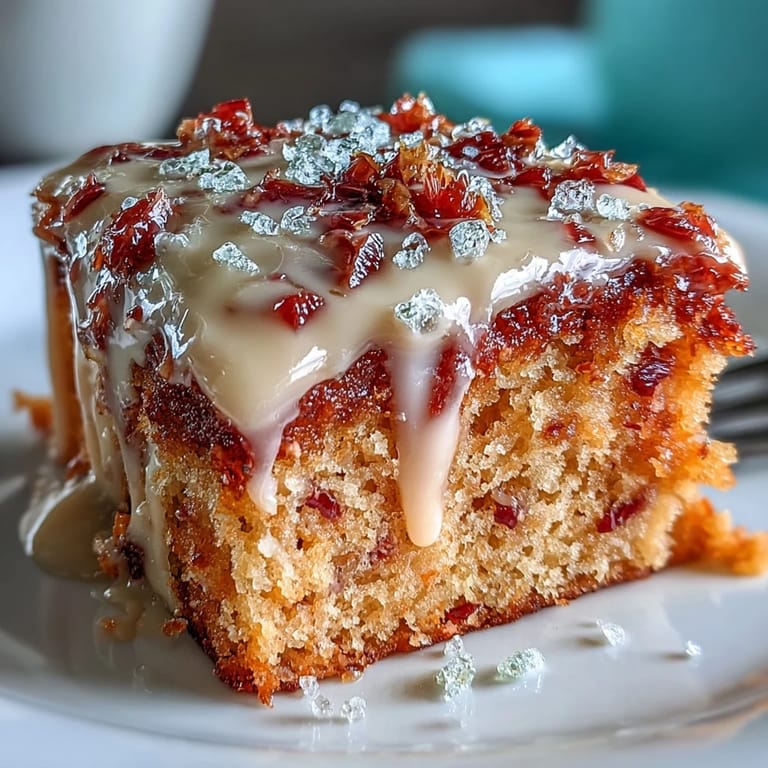
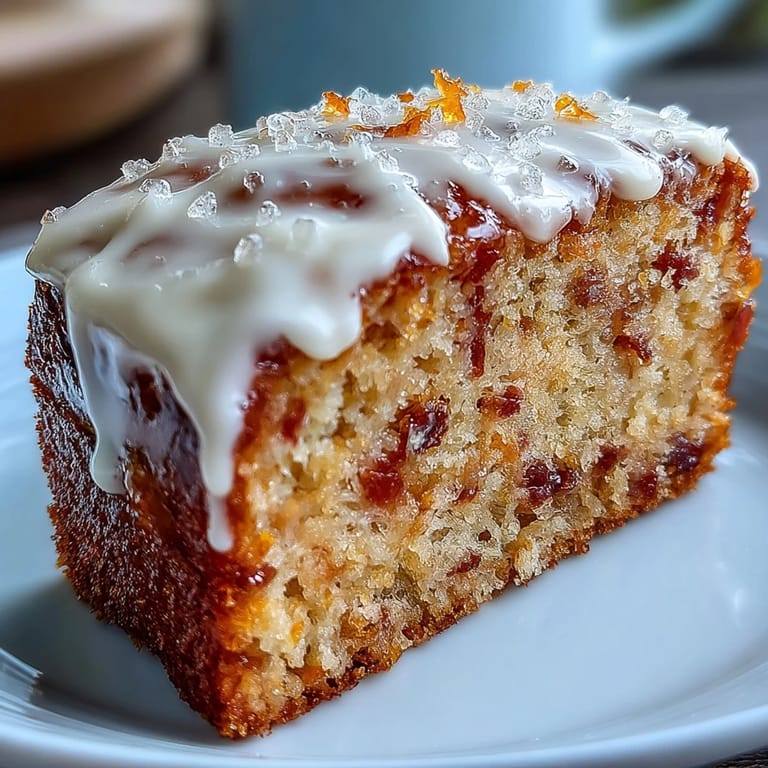
 There's a moment right after you drizzle that icing when the cake looks almost too pretty to cut, the glossy ribbons catching the light like stained glass. But then you slice into it and see that tender, golden crumb, and you remember that the best cakes are the ones you actually eat. This one has been my answer to gray days, surprise guests, and quiet afternoons when I just want something beautiful and simple on the counter.
Choosing Your Citrus
Blood oranges have a short season, usually January through March, and their flavor is sweeter and less acidic than regular oranges with a hint of raspberry. If you can't find them, regular oranges or even cara cara oranges work beautifully, though you'll lose that striking ruby hue. I've also made this with Meyer lemons when I wanted something a little more floral and tart. Whatever citrus you use, zest it before juicing and taste your juice, if it's very tart, you might want to add an extra tablespoon of sugar to the batter.
Storing and Serving
This cake keeps remarkably well thanks to the yogurt, staying moist at room temperature for up to two days under a cake dome or loosely tented with foil. If your kitchen is warm or you want to keep it longer, refrigerate it in an airtight container for up to five days, just let slices come to room temperature before serving for the best texture. I love serving it with a small pile of fresh berries or a spoonful of lightly sweetened whipped cream, but honestly, it's perfect on its own with a cup of strong coffee. Leftovers, if there are any, make an excellent breakfast toasted lightly in a skillet with a little butter.
Customizing Your Cake
Once you've made this a few times, it becomes a canvas for whatever citrus or flavor you're craving. Swap the coconut oil for melted butter if you prefer a more classic flavor, or fold in a handful of poppy seeds for a little crunch and visual interest. A tablespoon of blood orange juice in the icing adds extra punch, and a few fresh thyme leaves in the batter bring an unexpected herbal note that's lovely with the citrus. I've even stirred in a handful of chopped pistachios for texture and a pop of green against the golden crumb.
- Try adding a teaspoon of orange blossom water to the icing for a delicate floral finish.
- Fold in a handful of white chocolate chips if you want a little extra sweetness and richness.
- Dust the finished cake with powdered sugar instead of icing for a simpler, more rustic presentation.
 Pin It
 This cake has a way of making people pause and take a real bite instead of just nibbling politely, and I think it's because it tastes like effort and sunshine even though it's almost effortless to make. I hope it becomes one of those recipes you reach for when you want something bright and beautiful without a lot of fuss.
Recipe FAQs
- → Can I use regular oranges instead of blood oranges?
Yes, you can substitute navel oranges or Valencia oranges for blood oranges. The flavor will be slightly less tart and the vibrant red color will be missing, but you'll still get a delicious citrus cake with the same moist texture.
- → How do I know when the cake is done baking?
Insert a toothpick into the center of the cake. If it comes out clean or with just a few moist crumbs, the cake is ready. The top should be golden brown and the edges should start pulling away from the pan slightly.
- → Can I make this cake ahead of time?
Absolutely! The cake actually tastes better the next day as the flavors meld together. You can bake it up to 2 days in advance. Wait to add the icing until shortly before serving to keep it fresh and prevent it from absorbing into the cake.
- → What's the best way to store leftovers?
Store the cake covered at room temperature for up to 2 days. For longer storage, refrigerate for up to 5 days. Bring to room temperature before serving for the best texture and flavor. You can also freeze individual slices wrapped tightly for up to 3 months.
- → Can I use a different type of oil?
You can substitute melted unsalted butter or vegetable oil for the coconut oil. Butter will add a richer flavor, while vegetable oil is neutral. Each option works well, though coconut oil complements the citrus flavors beautifully.
- → Why use Greek yogurt instead of regular yogurt?
Greek yogurt has less whey and more protein, which creates a tender, moist crumb and adds structure to the cake. The tanginess also balances the sweetness perfectly. Regular yogurt can be used, but you may need to adjust the flour slightly.