 Pin It
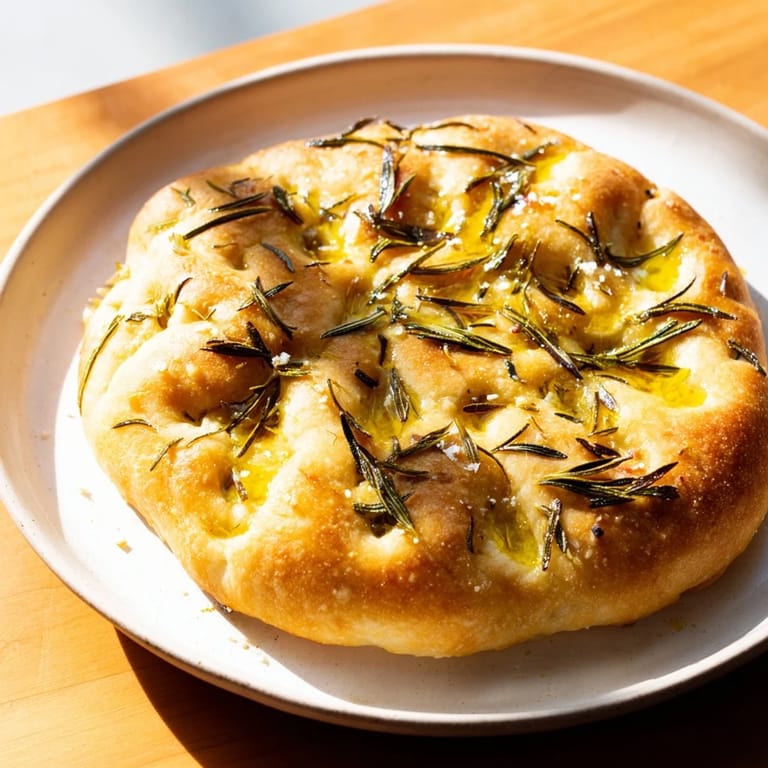
 I was standing in my kitchen on a rainy Saturday morning, craving something warm and comforting but not wanting to leave the house. I had flour, yeast, and a sprig of rosemary wilting in the fridge. That's when I decided to try focaccia for the first time. The dough came together so easily, and as it rose, my kitchen filled with that unmistakable yeasty warmth. When I pulled that golden, dimpled bread from the oven, crackling with olive oil and salt, I couldn't believe I'd made something so beautiful from such simple ingredients.
The first time I served this to friends, I watched them tear into it while it was still warm, their fingers glistening with olive oil. Someone said it tasted like vacation, and I realized that's exactly what focaccia is: a little escape baked into bread. Now I make it whenever I want to feel grounded, connected to something simple and ancient.
Ingredients
- Bread flour: The higher protein content gives focaccia that perfect chewy texture, though all purpose works in a pinch if that's what you have.
- Instant dry yeast: I love instant because you can mix it right into the flour without proofing, saving time and a bowl.
- Fine sea salt: This goes into the dough for flavor, separate from the flaky finishing salt that adds crunch.
- Extra virgin olive oil: Don't skimp here, it's the soul of focaccia, both in the dough and drizzled generously on top.
- Lukewarm water: Too hot kills the yeast, too cold slows it down, aim for bath water warm.
- Fresh rosemary leaves: The woody, piney aroma becomes almost sweet when baked into olive oil and dough.
- Flaky sea salt: Those crunchy crystals on top are non negotiable, they burst with flavor in every bite.
Tired of Takeout? 🥡
Get 10 meals you can make faster than delivery arrives. Seriously.
One email. No spam. Unsubscribe anytime.
Instructions
- Mix the dry ingredients:
- Whisk together the bread flour, yeast, and fine salt in a big bowl until evenly distributed. This ensures the yeast doesn't clump and the salt doesn't kill it on contact.
- Form the dough:
- Pour in the olive oil and lukewarm water, then stir with a wooden spoon until a shaggy, sticky dough comes together. It should look rough and wet, that's exactly right.
- Knead until smooth:
- Turn the dough onto a lightly oiled counter and knead for 8 to 10 minutes until it's smooth, elastic, and springs back when poked. Your arms will feel it, but the rhythm is oddly soothing.
- Let it rise:
- Place the dough in an oiled bowl, cover it with plastic wrap or a damp towel, and let it rest in a warm spot until doubled, about an hour. I like to set mine near a sunny window or on top of the fridge.
- Prepare the pan:
- Line your baking sheet with parchment and drizzle it with a tablespoon of olive oil. This creates a crispy, golden bottom that's almost as good as the top.
- Shape and rest again:
- Press the risen dough gently into the pan with your fingertips, stretching it to the edges without tearing. Cover and let it puff up for another 30 minutes.
- Preheat the oven:
- Set your oven to 220 degrees Celsius while the dough takes its second rest. A hot oven is key to that crisp crust.
- Dimple and top:
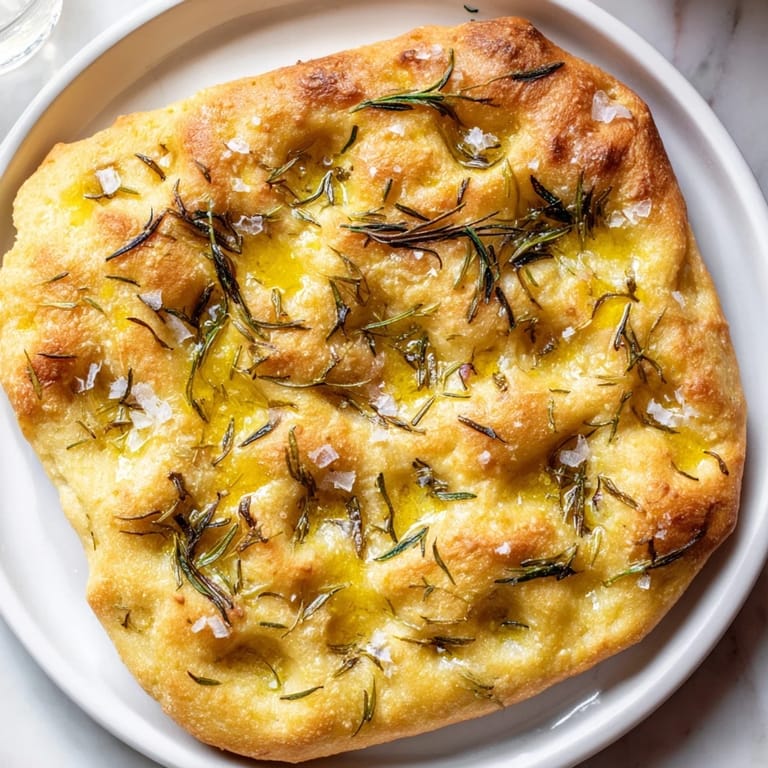
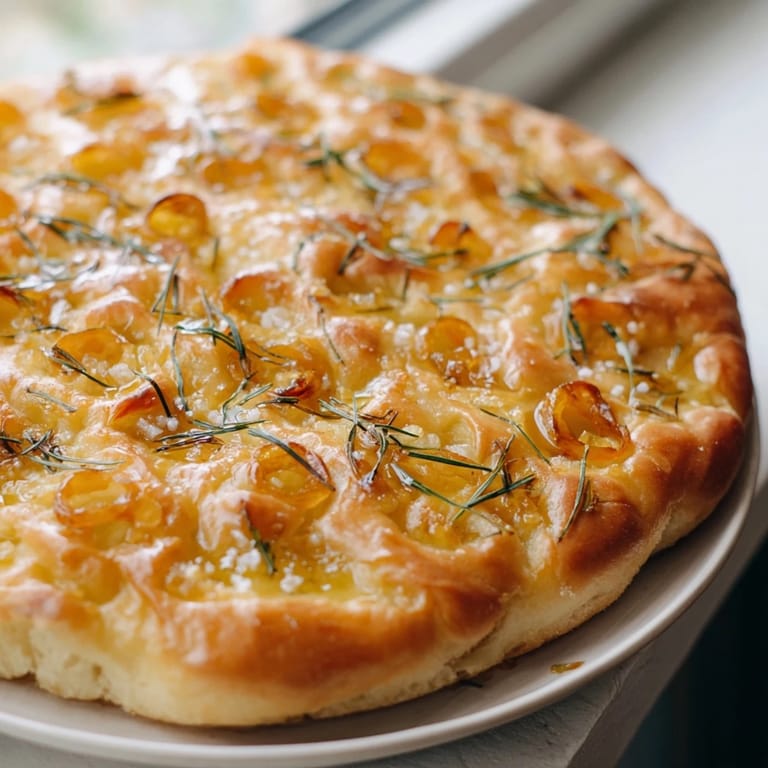
- Press your fingers deep into the dough to create those classic dimples, then drizzle with olive oil and scatter rosemary and flaky salt all over. The oil pools in the dimples and creates little pockets of flavor.
- Bake until golden:
- Slide the pan into the oven and bake for 20 to 25 minutes until the top is golden and the edges are crisp and brown. Your kitchen will smell incredible.
- Cool and serve:
- Let the focaccia cool for a few minutes on the pan, then slice into squares and serve warm. It's perfect on its own or with a little dish of balsamic and olive oil.
 Pin It
 One evening I brought a pan of this to a potluck, still warm and wrapped in a towel. It disappeared in minutes, and someone asked if I'd bought it from a bakery. I didn't correct them right away, I just smiled, because that's the secret joy of focaccia: it looks and tastes impressive, but it's really just flour, water, and a little patience.
Customizing Your Focaccia
Once you've mastered the basic recipe, focaccia becomes a canvas. I've pressed halved cherry tomatoes into the dough before baking, their juices mingling with the olive oil. I've scattered thinly sliced red onion and black olives for a savory twist. You can even sprinkle grated Parmesan or drizzle honey over rosemary for a sweet salty combination that surprises everyone.
Storing and Reheating
Focaccia is best the day it's made, but life doesn't always allow that. I store leftovers wrapped in foil at room temperature for up to two days. To bring it back to life, I warm it in a 180 degree oven for about 8 minutes, and it crisps up beautifully again. You can also freeze slices wrapped tightly in plastic and foil for up to a month, then thaw and reheat whenever the craving strikes.
Serving Suggestions
I love serving focaccia alongside a big bowl of soup, torn into chunks for dipping. It's also perfect as a base for sandwiches, split horizontally and filled with mozzarella, tomatoes, and basil. Sometimes I just set it on the table with good olive oil and balsamic vinegar, and let people tear off pieces while we talk.
- Pair it with a simple green salad and white wine for an easy Italian inspired lunch.
- Use it to soak up the sauce from pasta dishes or braised meats.
- Toast leftover slices and top with ricotta and a drizzle of honey for breakfast.
 Pin It
 There's something deeply satisfying about pulling a pan of focaccia from the oven, knowing you made it with your own hands from the simplest ingredients. I hope this becomes a recipe you return to again and again, the way I do.
Recipe FAQs
- → What type of flour is best for this focaccia?
Bread flour is ideal because its higher protein content helps develop the dough’s elastic texture, resulting in a fluffy, chewy crust.
- → How does rosemary enhance the bread’s flavor?
Fresh chopped rosemary adds an aromatic, pine-like scent and earthy notes that complement the olive oil and sea salt perfectly.
- → Can I prepare the dough ahead of time?
Yes, the dough can be refrigerated after the first rise; just bring it to room temperature before shaping and the second rise.
- → What causes the characteristic dimples on focaccia?
Pressing fingertips into the dough before baking creates dimples that help trap olive oil and toppings while allowing the dough to bake evenly.
- → How should I store leftover focaccia?
Keep leftovers in an airtight container at room temperature for up to two days, or refresh by warming in the oven before serving.