 Pin It
 I discovered this recipe on a weeknight when I had a block of firm tofu staring at me from the fridge and absolutely nothing planned for dinner. The kitchen smelled like possibility, so I started pressing the tofu while digging through my pantry—finding honey, garlic, and soy sauce felt like winning a small lottery. By the time those golden cubes hit the hot oil and started crisping up, I knew I was onto something special that would become a regular rotation in my cooking.
I made this for my roommate during a particularly rough week, and watching her face light up when she took that first bite reminded me that food is really just an excuse to take care of people. She asked for the recipe that same night and has made it at least a dozen times since—she even texted me a photo of her version with extra mushrooms, which felt like the highest compliment.
Ingredients
- Firm tofu, pressed and cubed: Pressing is non-negotiable here; it lets the tofu get properly crispy instead of steaming. I learned the hard way that 15 minutes is truly the minimum.
- Cornstarch for coating: This is your secret to restaurant-quality crispiness that sticks around even after the sauce coats everything.
- Soy sauce: Use low sodium if you want to control the saltiness, or go full sodium if you love bold flavors—I usually split the difference.
- Honey: The real MVP that makes this sauce glossy and slightly sticky; maple syrup works if that's what you have, but honey is worth grabbing.
- Rice vinegar: Just enough tang to keep the sauce from feeling one-dimensional and syrupy.
- Fresh garlic and ginger: Minced fresh is non-negotiable; they're what make this feel homemade and aromatic instead of bottled and flat.
- Sesame oil: A little drizzle adds that toasted, nutty depth that makes people ask what your secret ingredient is.
- Bell pepper, broccoli, and carrot: Pick whatever vegetables you actually have or like eating; I've used snap peas, mushrooms, and bok choy with equal success.
- Jasmine or brown rice: The fluffy, slightly sweet jasmine rice feels more special, but brown rice is heartier if that's your style.
- Sesame seeds and green onions: These finishing touches add texture and freshness that make the whole bowl feel intentional.
Tired of Takeout? 🥡
Get 10 meals you can make faster than delivery arrives. Seriously.
One email. No spam. Unsubscribe anytime.
Instructions
- Press your tofu like you mean it:
- Wrap your block in clean kitchen towels or paper towels, place it on a plate, and weight it down with something heavy for at least 15 minutes. This step feels tedious but transforms the texture entirely.
- Coat with cornstarch:
- Toss your cubed tofu gently in a bowl with cornstarch until every piece is dusted. This creates that crispy exterior everyone wants.
- Get that golden crust:
- Heat oil in your skillet until it shimmers, then carefully add tofu in a single layer. Let it sit for 3 to 4 minutes before flipping—resist the urge to move it around, because stillness is what creates the crispy edges.
- Make your sauce:
- Whisk everything together in a small bowl while your tofu cooks. The aromatics of fresh garlic and ginger hitting the warm bowl are already making promises about how good this will taste.
- Sauté your vegetables:
- Use the same skillet, add fresh oil, and cook your vegetables until they're just tender with a little bite left. They'll keep cooking when the sauce hits them, so don't overdo it.
- Bring it all together:
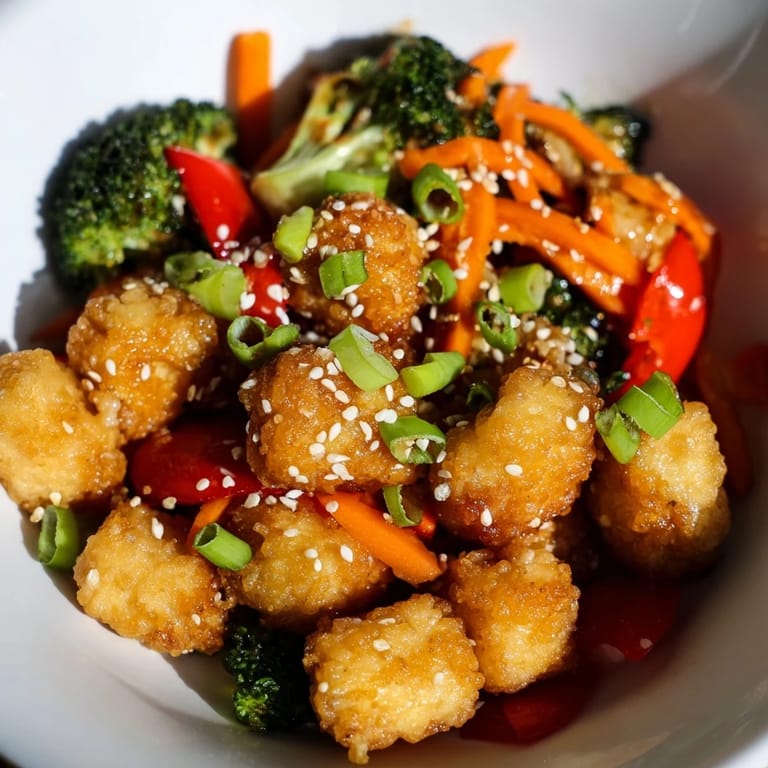
- Return the tofu to the skillet, pour the sauce over everything, and stir gently until all the pieces are coated in that glossy, fragrant mixture.
- Thicken the sauce:
- Mix cornstarch with water and pour it in while stirring. Watch it transform from runny to coating everything in the most satisfying way—this takes about 2 minutes.
- Serve with intention:
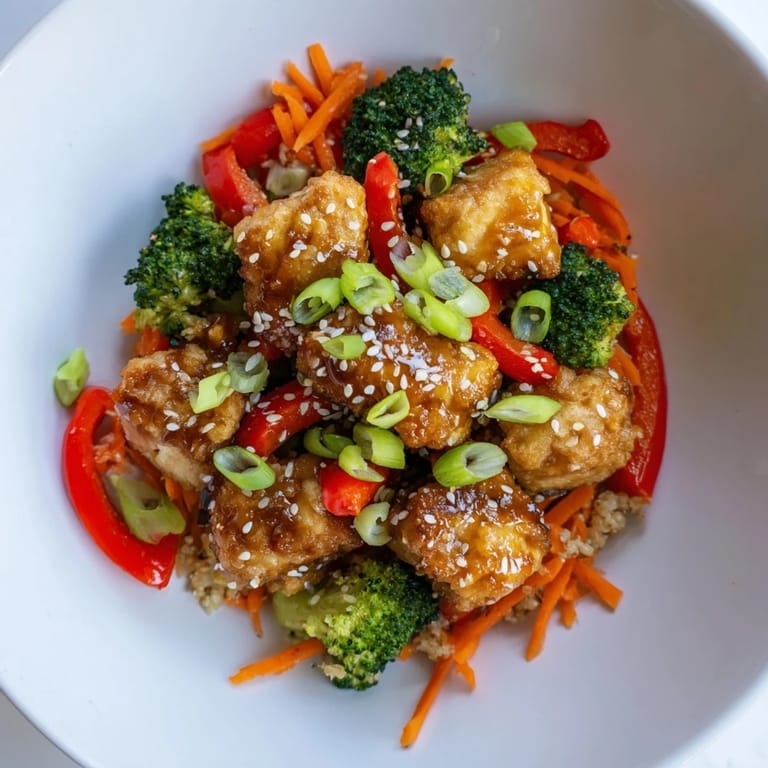
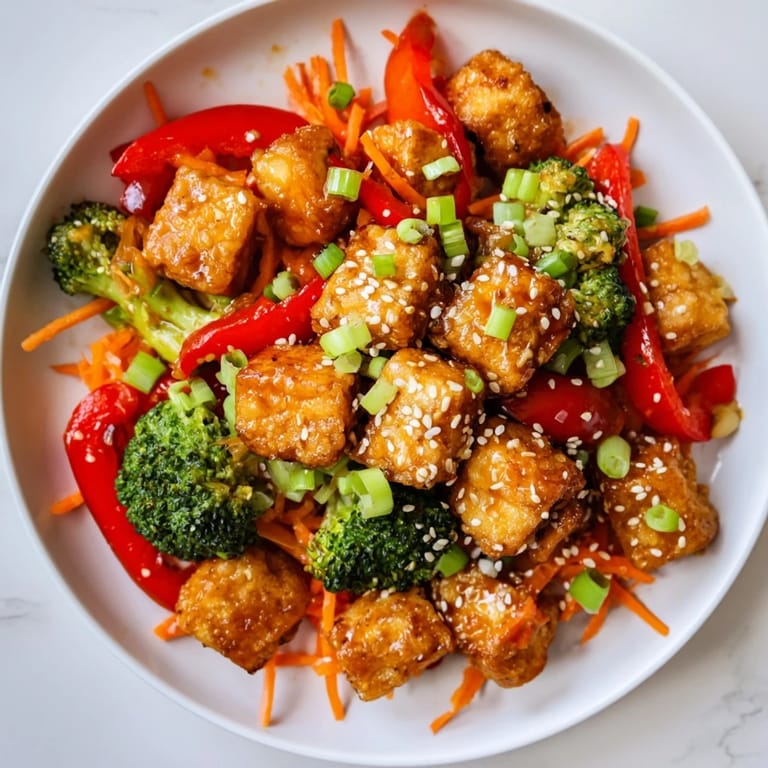
- Divide your rice between bowls, top with the tofu and vegetables, and finish with sesame seeds and fresh green onions for that fresh crunch.
 Pin It
 The first time I served this to a group of friends, one of them—who is usually skeptical about plant-based meals—asked for thirds and wanted to know if tofu was always this good or if I had done something special. That moment made me realize that cooking isn't about proving anything; it's about creating something so genuinely delicious that people stop thinking about what's missing.
Making It Your Own
This recipe is forgiving enough to accept changes based on what's in your kitchen or what you're craving that day. I've added cashews for crunch, used different vegetables with the seasons, and even thrown in some chili flakes when I wanted heat—every version has worked beautifully because the sauce is strong enough to carry whatever you pair it with.
Why This Works as a Weeknight Dinner
Most of the time is spent on prep, not babysitting the stove, which means you can chop your vegetables while the tofu presses and have everything ready to go in minutes. The whole process feels manageable, and somehow you end up with something that tastes like you actually care—which, honestly, you do.
Storage and Next-Day Magic
Leftovers actually taste even better the next day once the flavors have settled into everything, and the sauce thickens slightly as it cools, which makes reheating a breeze. I like to keep the rice and tofu-vegetable mixture separate in the fridge and combine them when I'm ready to eat.
- Store in airtight containers in the fridge for up to three days, and the flavors will only deepen.
- Reheat gently in a skillet or microwave, adding a splash of water if the sauce has thickened too much.
- This also works wonderfully cold as a salad situation if you're in the mood for something refreshing.
 Pin It
 This bowl has become my answer to so many dinner questions—when I'm tired but want something nourishing, when I need to feed someone who's vegetarian, when I'm secretly trying to prove that plant-based food can be genuinely craveable. Every time I make it, I'm reminded that the best recipes are the ones you actually want to cook.
Recipe FAQs
- → How do I press tofu properly?
Press tofu by wrapping it in paper towels and placing a heavy object on top for 15 minutes to remove excess moisture, ensuring a crispy texture when cooked.
- → What can I substitute for honey in the sauce?
Maple syrup or agave nectar can be used as vegan-friendly alternatives that maintain the sauce’s sweetness and consistency.
- → How can I make the tofu crispy?
Coat tofu cubes evenly in cornstarch before pan-frying in vegetable oil on medium-high heat until all sides turn golden brown and crisp.
- → Which vegetables work best with this dish?
Red bell pepper, broccoli florets, julienned carrot, and green onions add color, crunch, and complement the honey garlic glaze beautifully.
- → Can I prepare this dish gluten-free?
Yes, by using gluten-free tamari instead of soy sauce, this dish can be made suitable for gluten-free diets without compromising flavor.
- → What rice is recommended for serving?
Fluffy jasmine or brown rice pairs well, providing a neutral base that soaks up the honey garlic sauce and balances the savory flavors.