 Pin It
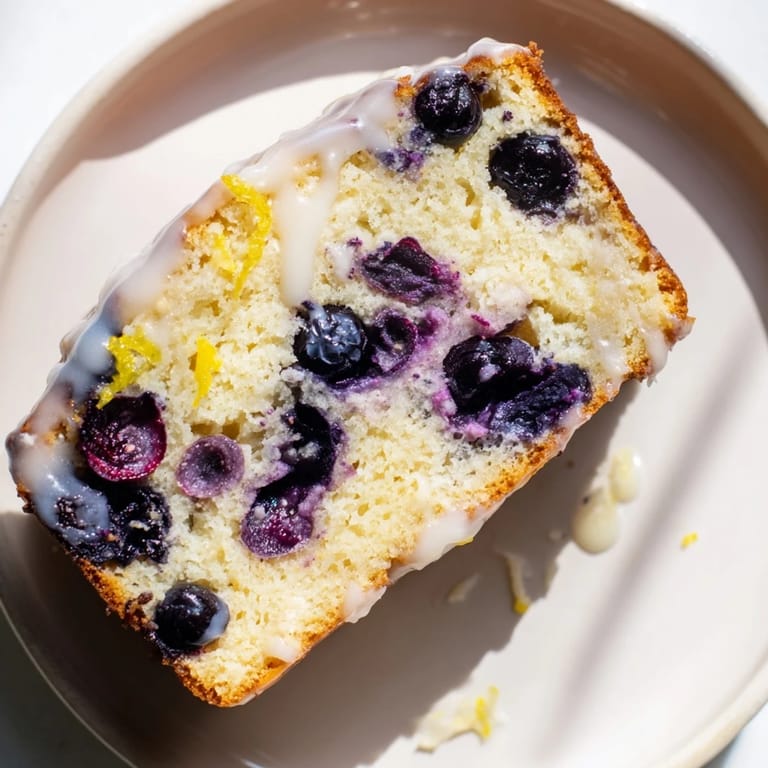
 There's something about a blender whirring at ten in the morning that makes baking feel effortless. The first time I made this lemon blueberry yogurt loaf, I was rushing between errands and needed something that didn't demand attention or fussy techniques. Twenty minutes later, the batter was ready, and I realized I'd stumbled onto a recipe that feels more like a shortcut than actual baking. The result was so tender and bright that it became my go-to gift for neighbors, my quick-fix breakfast cake, and the reason people started asking if I'd gone to culinary school.
I brought this loaf to a small book club gathering on a rainy Sunday, and it vanished before we'd finished the first chapter. One of my friends asked if the recipe was complicated, and when I told her it all came together in a blender, she asked me to text it to her immediately. That moment stuck with me—the realization that the easiest recipes are often the ones people crave the most because they're achievable, not intimidating.
Ingredients
- Large eggs (2): They emulsify the oil and yogurt into a silky base; room temperature eggs blend more smoothly than cold ones.
- Plain Greek yogurt (1 cup): The tanginess cuts through sweetness and creates unbelievable moisture; don't skip to regular yogurt or the crumb changes character.
- Vegetable oil (1/2 cup): This keeps the loaf tender longer than butter would; it's the secret to day-two flavor that's actually better than fresh.
- Lemon zest (1 tbsp): Microplane it finely so every slice gets brightness; zest before juicing to save your knuckles.
- Fresh lemon juice (1/4 cup): Use real lemons, never that bottled stuff—the flavor difference is worth the extra squeeze.
- Vanilla extract (1 tsp): A small amount anchors the citrus without making the cake taste like candy.
- All-purpose flour (1 1/2 cups): Measure by spooning and leveling, not by scooping straight from the bag; overpacking flour is the main reason cakes turn dense.
- Granulated sugar (3/4 cup): The standard sweetness level; increase it by 2 tbsp if you prefer dessert-cake sweetness over breakfast-cake brightness.
- Baking powder (2 tsp): Check the date on your container—old leavening gives flat, gluey results.
- Baking soda (1/2 tsp): It reacts with the acidic yogurt and lemon juice to create rise; don't omit even though it's a small amount.
- Fine sea salt (1/4 tsp): Salt amplifies sweetness and prevents the lemon from tasting one-note.
- Fresh blueberries (1 cup): Frozen work beautifully and sometimes have better flavor than out-of-season fresh; toss them with flour to anchor them in the batter so they don't sink.
Tired of Takeout? 🥡
Get 10 meals you can make faster than delivery arrives. Seriously.
One email. No spam. Unsubscribe anytime.
Instructions
- Prepare your stage:
- Set your oven to 350°F and let it preheat while you gather everything. Line a 9x5-inch loaf pan with parchment, leaving enough overhang to lift the finished cake out—this small step prevents sticking and makes slicing easier later.
- Blend the wet base:
- Crack both eggs into the blender, then add yogurt, oil, lemon zest, lemon juice, and vanilla. Blend until completely smooth and pale, about 1 minute; you should see no streaks of egg or lumps of yogurt.
- Add dry ingredients thoughtfully:
- Sprinkle the flour, sugar, baking powder, baking soda, and salt directly into the blender. Pulse just 4 to 5 times until you see no dry flour streaks—this is where patience matters, because overblending develops gluten and makes the crumb tough.
- Fold in blueberries by hand:
- Toss the blueberries in 1 tbsp flour to prevent them from sinking, then tip them into the batter. Use a spatula to gently fold, turning the bowl rather than stirring hard; you want them distributed but the batter undisturbed.
- Pour and bake:
- Scrape the batter into the prepared pan, smoothing the top so it bakes evenly. Bake for 50 to 55 minutes until a toothpick inserted in the center comes out clean; if the top starts browning too quickly after 40 minutes, place a piece of foil loosely over it.
- Cool with care:
- Let the loaf rest in the pan for 10 minutes so the crumb sets, then turn it out onto a wire rack. This cooling time prevents the bottom from sweating into the cake and turning soggy.
- Glaze if you like:
- Whisk powdered sugar with 1 to 2 tbsp fresh lemon juice until smooth and pourable, then drizzle over the completely cooled loaf. The glaze sets within minutes and adds a delicate sweet-tart finish.
 Pin It
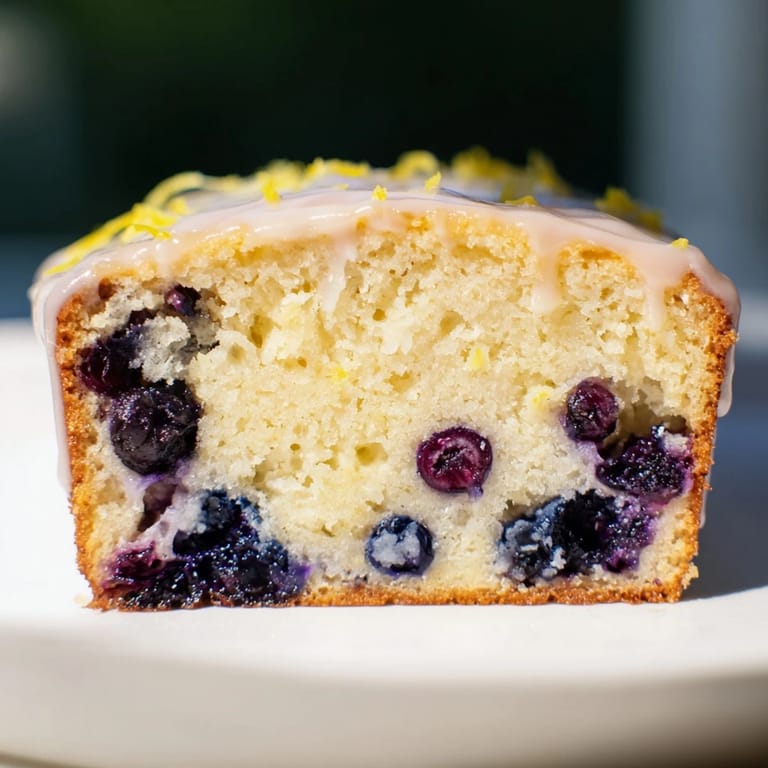
 My daughter once asked if this was a 'fancy' cake because she'd tasted it at three different people's houses within a month. There's a joy in discovering that something this simple can become part of people's routines, sliced over coffee or tucked into lunchboxes. That's when I knew this recipe had crossed from something I'd made into something that belonged to everyone who'd tried it.
Why This Blender Technique Changes Everything
Conventional loaf cakes require creaming butter and sugar, then alternating wet and dry ingredients in a careful dance. This recipe skips all of that by using a blender as your mixing bowl and emulsifier. The eggs, oil, and yogurt combine into an airated base that needs no beating, and the dry ingredients go in last with minimal stirring. You get the same tender crumb with a fifth of the cleanup and no mechanical mixer required.
The Lemon-Blueberry Flavor Balance
Lemon and blueberry are natural partners because lemon brightens the berries' quiet earthiness without overpowering it. The tartness from both the zest and juice cuts through the richness of the yogurt and oil, making each bite feel lighter than the sugar content would suggest. If you're hesitant about citrus, start with the full amount of zest and 3 tbsp lemon juice instead of 1/4 cup; you can always add more brightness next time, but you can't take it back.
Storage, Variations, and Next Steps
Keep the loaf wrapped at room temperature for three days; it actually improves as the crumb settles and absorbs moisture. For dairy-free baking, use coconut yogurt and any neutral oil, and the cake will taste nearly identical. You can also add 1/2 tsp almond extract to deepen the flavor, swap frozen raspberries for half the blueberries, or replace half the lemon juice with fresh lime for a different mood entirely.
- Serve with a dollop of whipped cream or Greek yogurt for dessert, or slice it plain for breakfast without guilt.
- This loaf freezes beautifully for up to two months, though it rarely lasts that long once people know you've made it.
- Toast a day-old slice with a little butter for something that feels almost like French toast but requires zero effort.
 Pin It
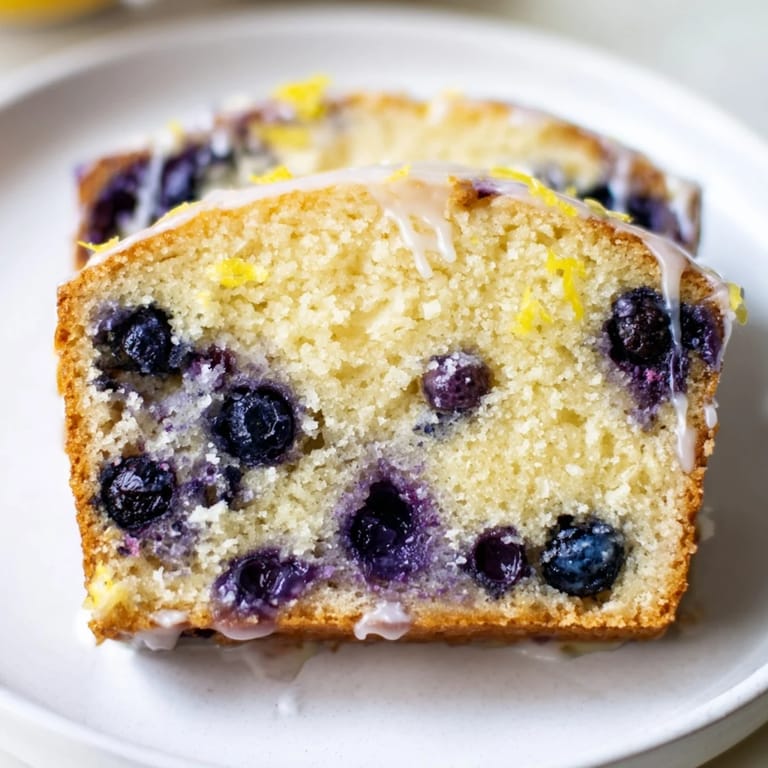
 This loaf has become the cake I reach for whenever I want to feel like a baker without actually becoming one. There's something deeply satisfying about a recipe that asks so little but gives so much.
Recipe FAQs
- → What makes the loaf moist and tender?
The combination of creamy yogurt and vegetable oil contributes to the loaf’s moistness and tender crumb.
- → How do I prevent blueberries from sinking?
Tossing the blueberries in a bit of flour before folding them into the batter helps keep them evenly distributed.
- → Can I substitute ingredients for dietary needs?
Yes, coconut yogurt and neutral oil can be used to make a dairy-free version without compromising texture.
- → What is the best way to bake this loaf evenly?
Bake at 350°F for 50–55 minutes, tenting with foil if the top browns too quickly during the last 15 minutes.
- → How can I enhance the flavor profile?
Adding half a teaspoon of almond extract offers a subtle flavor twist that complements the lemon and blueberries.
- → What are ideal occasions to serve this loaf?
It pairs wonderfully with Earl Grey tea for breakfast, afternoon tea, or as a light sweet snack.