 Pin It
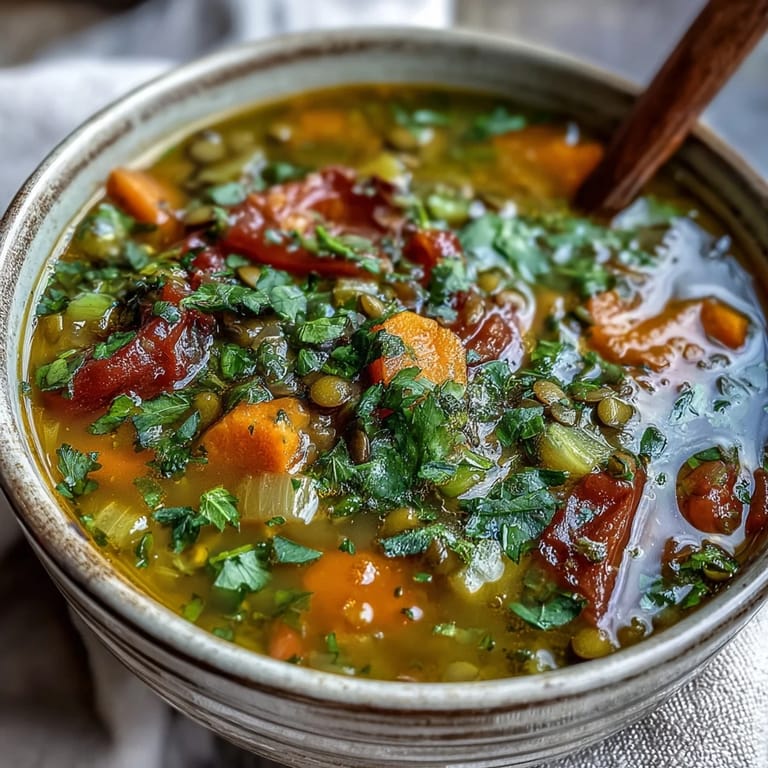
 The first time I made mung bean soup, it was during a crisp autumn afternoon when my body craved something healing. My hands worked instinctively, washing the tiny green beans while my kitchen filled with the earthy scent that always reminds me of my neighbor's garden after rain. The simple act of preparing this soup became a meditation, the gentle simmer a soundtrack to an otherwise silent house as I nursed a lingering cold that week.
Last winter, when my cousin was recovering from surgery, I brought a container of this soup to their apartment. Standing in their small kitchen, reheating it on their stove while they rested, I watched their face light up at the first spoonful. The way they closed their eyes and sighed made me realize that sometimes the simplest foods carry the most profound comfort.
Ingredients
- 1 cup dried mung beans: These little powerhouses need soaking for at least 2 hours, though I once forgot and left them overnight which actually made them cook even faster.
- 2 medium carrots: Try to dice them the same size as the celery for even cooking, a lesson I learned after having crunchy carrots but mushy celery in my early attempts.
- 1 tsp cumin seeds: Toasting these first creates this incredible foundation of flavor that simply cannot be achieved with pre-ground cumin.
- 6 cups vegetable broth: I use homemade when possible, but a good quality store-bought works beautifully when time is short.
- Fresh cilantro: The bright finish it gives is absolutely worth the extra trip to the store if you run out, trust me on this.
Tired of Takeout? 🥡
Get 10 meals you can make faster than delivery arrives. Seriously.
One email. No spam. Unsubscribe anytime.
Instructions
- Awaken the spices:
- Heat your pot over medium heat and add those cumin seeds, letting them dance and pop until the kitchen fills with their nutty aroma, usually about a minute.
- Build the flavor base:
- Toss in your chopped onion, garlic, and ginger, watching them soften and become translucent as their sweetness releases. This trio creates the foundation that will carry through the entire pot.
- Add the vegetables:
- Introduce the carrots and celery, allowing them to mingle with the aromatics for a few minutes. I love watching the colors brighten as they begin to cook.
- Bloom the spice palette:
- Sprinkle in your turmeric, coriander, black pepper, cinnamon, and bay leaf, stirring constantly so they dont burn. Youll know theyre ready when your kitchen smells like an Indian market.
- Combine and simmer:
- Add your soaked mung beans, tomato, and broth, bringing everything to a gentle boil before reducing to a simmer. This is when I usually walk away and let the magic happen for about 40 minutes.
- Final touches:
- Fish out the bay leaf, then stir in salt and that crucial splash of lemon juice that brightens everything. The acidity balances the earthiness of the beans perfectly.
 Pin It
 One particularly memorable evening, I served this soup during an impromptu gathering when friends showed up unexpectedly after a long hike. The room fell silent as everyone ate, that rare kind of quiet that comes from true satisfaction rather than politeness. Later, my friend Mei asked for the recipe, saying it reminded her of something her grandmother made, though with completely different ingredients, proving that comfort transcends specific recipes.
Serving Suggestions
Through years of making this soup, Ive discovered it pairs beautifully with a slice of crusty sourdough for dipping, the contrast between the soft beans and crunchy bread creating perfect textural balance. For dinner parties, I serve it in small mugs as a starter, topped with a tiny swirl of olive oil and extra fresh herbs, transforming a humble soup into something that feels special without any fuss.
Storage and Leftovers
The flavors in this soup actually develop and deepen overnight in the refrigerator, making it one of those rare dishes that improves with time. Ive found it keeps perfectly for up to four days, though it rarely lasts that long in my house. When reheating, you might need to add a splash of water or broth as the beans continue absorbing liquid even in storage.
Adaptations and Variations
While the recipe stands perfectly on its own, Ive played with countless variations over the years depending on what my body needs or what my garden offers. Sometimes I throw in a handful of spinach in the last minute of cooking, watching the bright green leaves wilt into the golden broth.
- For extra protein, try adding a cup of cooked quinoa just before serving.
- During summer, I often stir in diced zucchini with the carrots for a lighter version that celebrates the season.
- If you prefer a thicker texture, blend about one-third of the soup with an immersion blender before serving.
 Pin It
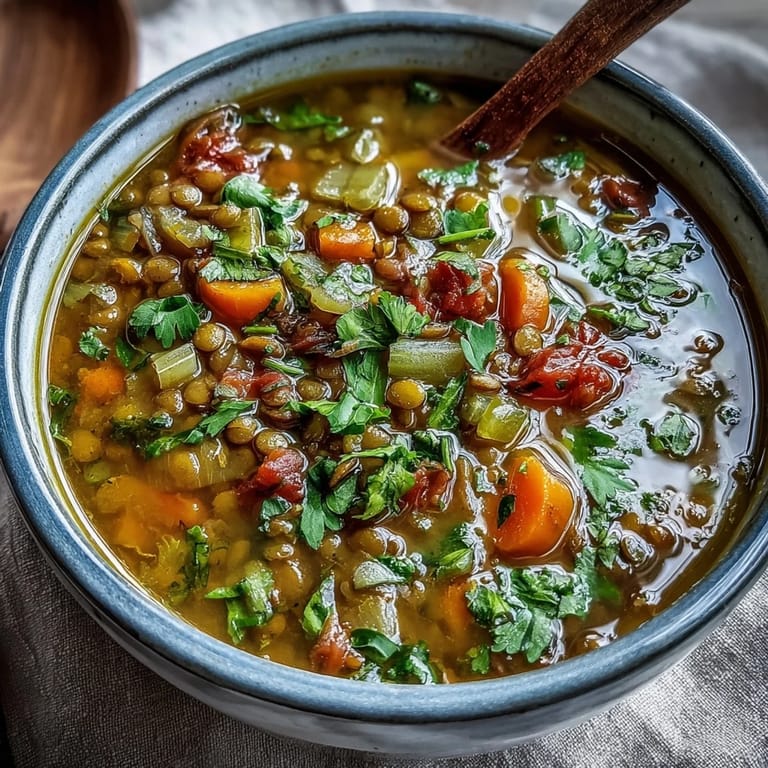
 This humble mung bean soup has become my go-to reset button, the meal I turn to when life feels overwhelming or my body needs gentle care. In its simplicity lies its power, a reminder that healing often comes from the most basic elements combined with time and attention.
Recipe FAQs
- → How long should I soak mung beans before cooking?
Soak dried mung beans for at least 2 hours before cooking. This helps them cook evenly and reduces simmering time. You can also soak them overnight for even better results.
- → Can I use canned mung beans instead?
Yes, you can substitute canned mung beans to save time. Rinse them thoroughly and add them during the last 15 minutes of cooking since they're already tender.
- → What can I serve with this soup?
Pair with warm naan bread, steamed basmati rice, or crusty whole grain bread. The soup also works beautifully alongside roasted vegetables or a fresh green salad.
- → How do I store leftovers?
Store in an airtight container in the refrigerator for up to 4 days. The flavors actually develop and improve overnight. Freeze for up to 3 months in freezer-safe containers.
- → Can I make this in a pressure cooker or Instant Pot?
Absolutely. Sauté aromatics using the sauté function, then pressure cook on high for 12-15 minutes. Allow natural pressure release for best texture and flavor development.
- → Is this soup suitable for meal prep?
Perfect for meal prep. Make a large batch on Sunday and portion into containers for easy weekday lunches. The soup reheats beautifully on the stovetop or in the microwave.