 Pin It
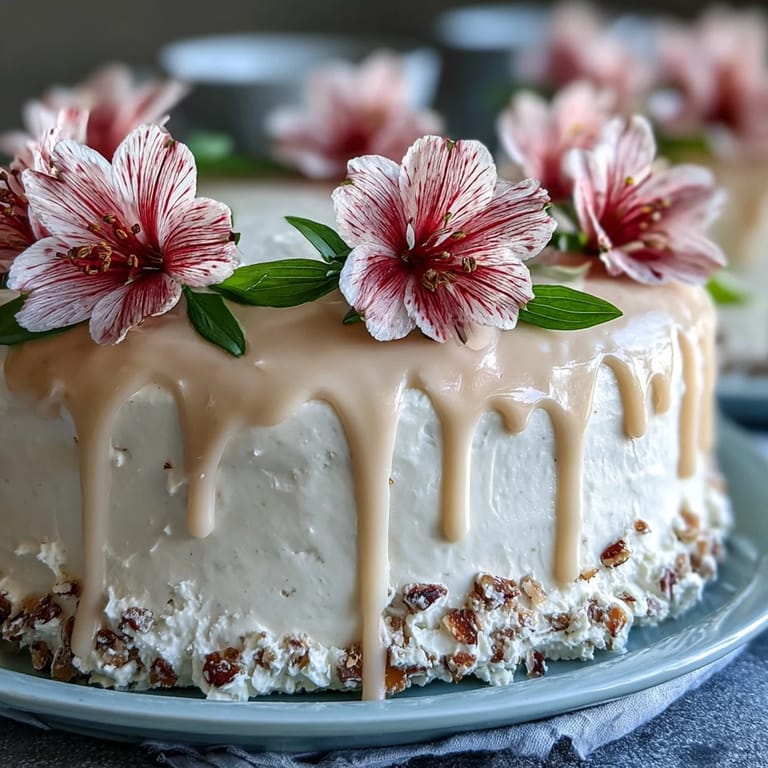
 There's something about baking a cake for someone's milestone that makes your kitchen feel like sacred ground. My cousin's First Communion was happening on a Saturday, and I volunteered to make the cake without really thinking through what that meant until I was standing in front of my oven at dawn, butter softening on the counter. What struck me wasn't the technical challenge but the weight of it—how a simple vanilla cake could carry so much meaning, how piping a few flowers felt like I was adding my own small blessing to her day.
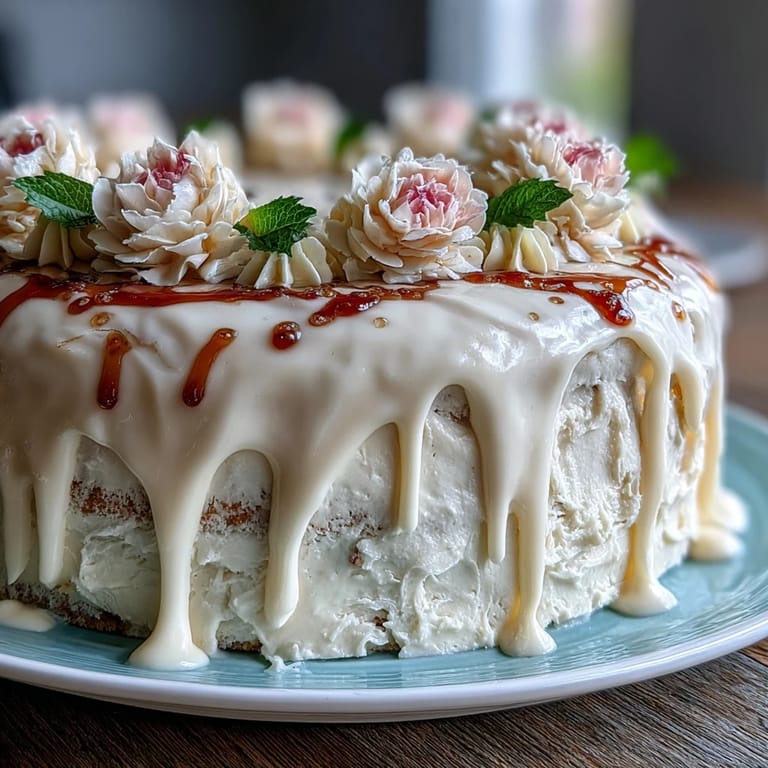
I remember my hands shaking slightly as I piped the first rose onto that white frosting. My sister was in the kitchen, half-watching a cooking show, and she glanced over just as I completed the fifth flower and said, 'Okay, that's actually beautiful.' Those four words made the whole afternoon feel less like baking and more like creating something that would matter.
Ingredients
- All-purpose flour (2 ½ cups): The backbone of tenderness here—don't sift it before measuring or you'll end up with a dense cake that regrets its choices.
- Baking powder (2 ½ tsp): This is your lift, your promise that the cake will be airy and cloud-like rather than heavy.
- Salt (½ tsp): A whisper of salt makes the vanilla sing instead of whisper.
- Unsalted butter (1 cup, softened): Room temperature is non-negotiable here—cold butter won't cream properly, and you'll taste the difference.
- Granulated sugar (2 cups): The beating-together step with butter isn't just mixing; it's aerating, creating the structure for everything to come.
- Eggs (4 large, room temperature): Cold eggs seize up the batter like a fist closing—let them sit out while you prep everything else.
- Pure vanilla extract (1 tbsp): The soul of this cake, so use the real thing.
- Whole milk (1 cup, room temperature): Warm milk helps the batter stay emulsified and happy.
- Unsalted butter for buttercream (1 ½ cups, softened): This needs to be genuinely soft, not melted, or your frosting becomes greasy.
- Powdered sugar (6 cups, sifted): Sift it even if you think you won't—lumps in frosting are the enemy of beautiful piping.
- Whole milk for buttercream (¼ cup): Adding milk gradually prevents the frosting from becoming too thick and stubborn.
- Pure vanilla extract for buttercream (2 tsp): A little more here deepens the flavor without making it taste synthetic.
- Food coloring (pink, yellow, green, or as desired): Gel coloring is the real move—it won't thin out your buttercream the way liquid coloring does.
Tired of Takeout? 🥡
Get 10 meals you can make faster than delivery arrives. Seriously.
One email. No spam. Unsubscribe anytime.
Instructions
- Set your stage:
- Preheat your oven to 350°F and grease that 9x13-inch pan generously, then line it with parchment paper so the cake slides out like it's been released from a spell. This small act of care means you won't spend the next hour scraping cake bits from corners.
- Mix the dry team:
- Whisk your flour, baking powder, and salt together in a medium bowl—you're distributing the baking powder evenly so every bite rises the same way. Set it aside and forget about it for a moment.
- Cream butter and sugar into clouds:
- Beat your softened butter and sugar together for about 3 minutes until the mixture looks pale, fluffy, and almost cloud-like. This is where the magic lives—you're incorporating air that makes the cake tender.
- Add eggs one at a time:
- Drop each egg in individually, beating well after each one. You're emulsifying, which sounds fancy but really just means you're helping everything stay friends instead of separating.
- Mix in the vanilla:
- A tablespoon of pure vanilla goes in now, and the smell that rises up is your reminder that this cake is going to taste like comfort.
- Alternate flour and milk in thirds:
- Here's where patience matters: add one-third of your flour mixture, beat gently until just combined, then add half the milk, then another third of flour, then the remaining milk, then the final flour portion. This alternating rhythm prevents overmixing, which would make the cake tough.
- Pour and smooth:
- Transfer the batter to your prepared pan and use a spatula to smooth the top gently—you're not trying to compress it, just creating an even surface.
- Bake until golden:
- Slide the pan into your preheated oven for 28–32 minutes, watching for the moment when a toothpick inserted in the center comes out clean. The kitchen will smell like vanilla and butter, and that's your signal that something good is happening.
- Cool with intention:
- Let the cake sit in the pan for 10 minutes (this prevents it from breaking apart), then turn it out onto a wire rack to cool completely. Rushing this step leads to frosting melting into puddles.
- Make your buttercream base:
- Beat 1 ½ cups of softened butter until it's genuinely creamy, then gradually add your sifted powdered sugar, alternating with milk in small amounts. The texture should go from sandy to silky to cloud-like, taking about 5 minutes total.
- Mix in vanilla and divide:
- Once smooth and fluffy, add your vanilla, then divide the frosting into bowls for tinting. Keep a bowl of plain white—it's your foundation and also your safety net if the colors get too bold.
- Frost the base layer:
- Spread a generous, even layer of plain buttercream over your completely cooled cake. This base layer is what everything else holds onto.
- Pipe your flowers:
- Fill piping bags with your tinted buttercream and flower tips, then pipe deliberately but without overthinking—roses, tulips, daisies, whatever shapes your hands remember. Focus on corners and edges for a gathered, elegant look.
- Add finishing touches:
- If you're adding a cross or text for the First Communion, use a small round tip and steady hands, working from the center outward so you don't accidentally smudge what's already there.
 Pin It
 On the day of the celebration, watching my cousin cut into that cake and finding it perfectly moist inside—that moment made every worry about piping technique dissolve. Someone asked how I made the flowers look so perfect, and I almost told them the truth: they're imperfect, a little lopsided, and that's exactly why they're beautiful.
The Secret of Tender Cake
The difference between a cake that feels like eating cardboard and one that melts on your tongue lives in how long you beat the butter and sugar. When you see that mixture go from pale yellow to almost white and cloud-like, that's when you know the air has been incorporated enough to make magic. I learned this the hard way when I skipped steps with a birthday cake once and ended up with something that crumbled when you breathed on it. Now I always give myself permission to take those full 3 minutes, even though it feels longer than it should.
Decorating Without Stress
The thing about piping flowers is that the first three you make will feel clumsy, the next five will start to feel possible, and by the time you've piped a dozen, your hands understand the motion in a way your brain can't quite explain. I used to think I needed to be an artist, but really I just needed to trust that the piping tip knows what it's doing—the flower shape is already built into the metal. Small spirals and pressure from your hand do the rest, and honestly, if a flower looks wonky, it just looks more handmade and real, which is the whole point.
Making It Your Own and Baking Tomorrow
This cake is forgiving in a way that feels almost intentional, like it was designed to adapt to whatever you have in your kitchen and whatever timeline you're working with. You can bake it a full day ahead, wrap it carefully, and let it sit at room temperature until you're ready to frost and decorate. The flavors actually mellow together overnight, which means Friday-baked cake tastes better on Saturday than it did on Friday.
- Add ½ teaspoon of almond extract to the batter if you want something more complex than straight vanilla—it whispers rather than shouts.
- If you don't have gel coloring, you can tint buttercream with a tiny bit of cocoa powder for brown, or use juice concentrates for softer colors.
- Practice piping on a piece of parchment first so you can transfer your practice to the cake if it's good, or crumple it up guilt-free if it's not.
 Pin It
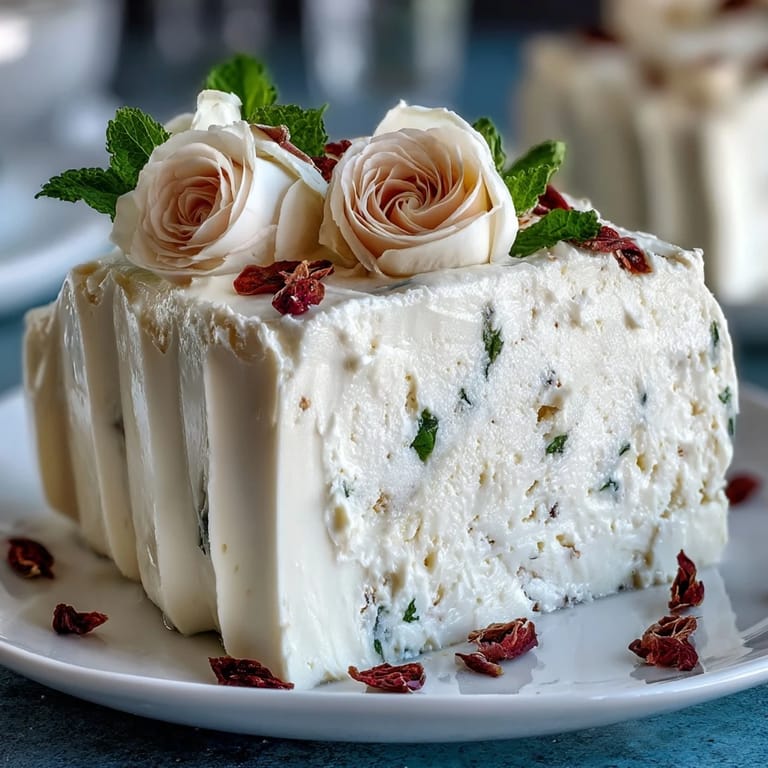
 This cake has a way of becoming more than just dessert—it becomes proof that you showed up, that you made something beautiful for a moment that mattered. That's the real magic of baking it.
Recipe FAQs
- → What oven temperature is best for baking this cake?
Preheat the oven to 350°F (175°C) and bake until a toothpick inserted in the center comes out clean, usually 28–32 minutes.
- → How do I ensure the cake stays moist?
Using room-temperature ingredients and carefully alternating flour and milk while mixing helps retain moisture. Avoid overmixing the batter.
- → Can I use different colors for the buttercream decorations?
Yes, use gel food coloring to tint portions of the buttercream for vibrant and stable colors suitable for piping flowers and leaves.
- → What tools are recommended for decorating the cake?
Piping bags with flower, leaf, and round tips allow for delicate and classic buttercream floral designs across the cake surface.
- → Is it okay to prepare the cake ahead of time?
The cake can be baked a day in advance and stored covered at room temperature to maintain freshness before decorating.
- → Can I add almond extract to enhance the flavor?
Adding ½ tsp almond extract to the batter adds a subtle nutty depth without overpowering the vanilla foundation.