 Pin It
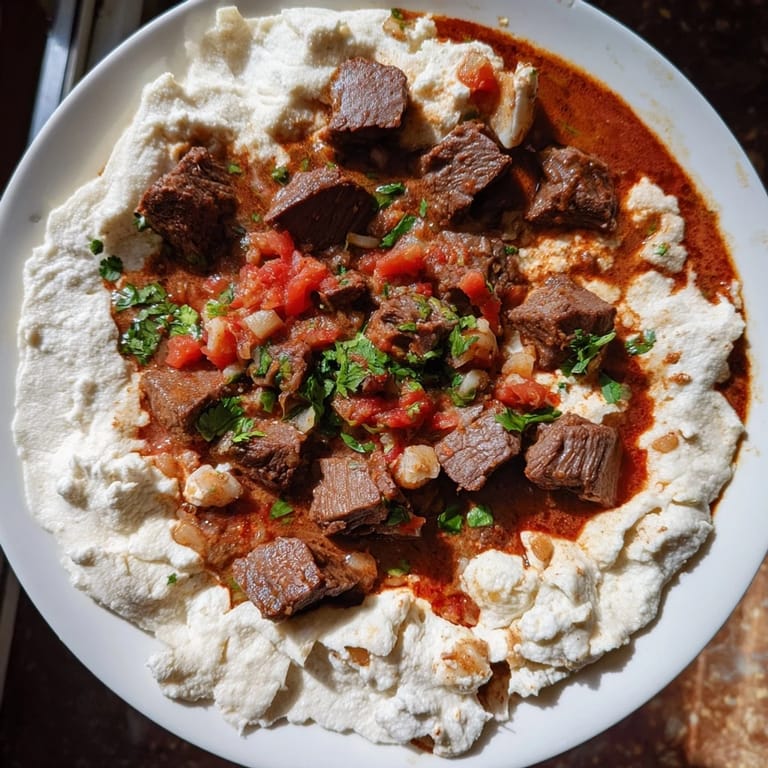
 The first time I tasted Saltah, I was sitting cross-legged in a small Sana'a kitchen while steam rose from a worn ceramic bowl. My host ladled the rich, spiced stew over torn flatbread with the kind of practiced ease that comes from feeding family for decades, then crowned it with a cloud of golden hulbah so airy it seemed to float. That moment—the warmth of the bread softening beneath the broth, the fenugreek's distinctive earthiness mixing with cumin and coriander—taught me that some dishes are less about technique and more about patience and intention.
I've made this for friends who were skeptical about fenugreek's strength, watching their expressions shift from uncertainty to pure contentment as they discovered how the hulbah's gentle bitterness actually mellowed and complemented the savory meat. One guest went back for seconds and asked if I'd share the recipe—the real sign that a dish has done its job.
Ingredients
- Beef or lamb (500 g, cut into 2 cm cubes): The meat is the backbone here; bone-in cuts add depth, but cubed meat keeps prep manageable and cooks evenly in the allotted time.
- Vegetable oil (2 tbsp): Just enough to coax color from the onions and meat without making the stew greasy.
- Large onion (1, finely chopped): This isn't just seasoning—caramelized onions become sweet and savory, building the stew's foundation.
- Garlic (3 cloves, minced): Adds sharpness that blooms into something mellow as it simmers with the broth.
- Tomatoes (2 medium, chopped): Fresh tomatoes provide acidity that brightens the heavy spices; canned works if that's what you have, but fresh tastes noticeably better here.
- Green chili (1, finely chopped, optional): The heat is subtle and warming rather than aggressive, building flavor rather than overwhelming it.
- Potato (1 medium, cubed): It thickens the broth naturally and adds an earthy sweetness that balances the spices.
- Carrot (1 medium, diced): A small sweetness that gets lost in the complexity but makes a real difference.
- Water or beef broth (4 cups): Broth deepens everything, but water works fine and lets the spices shine through more clearly.
- Cumin, coriander, black pepper, turmeric, and ground fenugreek (1/2 to 1 tsp each): This spice blend is the soul of Saltah; toast them lightly before grinding if you can, though pre-ground spices work wonderfully.
- Salt (1 tsp, or to taste): Taste as you go—salt brings out all the spices' nuances.
- Ground fenugreek seeds (2 tbsp for hulbah): The star ingredient that most Western kitchens haven't discovered yet; it's slightly bitter, wonderfully aromatic, and transforms when whipped.
- Water for hulbah (1/3 cup plus more for soaking): The soaking softens the seeds, and the vigorous whisking incorporates air into foam.
- Tomato for hulbah (1 small, finely diced): Adds brightness and texture to the ethereal foam.
- Fresh cilantro (1 small bunch, chopped): Its freshness cuts through the richness and adds a clean, herbal note.
- Lemon juice (from 1/2 lemon): This small squeeze lifts everything and prevents the dish from feeling too heavy.
- Yemeni flatbread (2 large malawah or lahoh, or pita/naan as substitute): The bread catches all the flavors; don't skip it even though it seems like just a vehicle.
Tired of Takeout? 🥡
Get 10 meals you can make faster than delivery arrives. Seriously.
One email. No spam. Unsubscribe anytime.
Instructions
- Brown the aromatics and meat:
- Heat oil in your pot over medium heat until it shimmers. Add onions and let them soften to a golden-brown, which takes longer than you think but is worth every minute—they become almost caramelized and sweet. Add your minced garlic and chili, cook for just a minute until fragrant, then tumble in the meat cubes.
- Sear the meat on all sides:
- Don't crowd the pot; let the meat actually touch the hot surface and develop that caramelized exterior. You're building layers of flavor here, so patience matters more than speed.
- Build the flavor base:
- Stir in your tomatoes, potatoes, carrots, and all the spices. Cook everything together for about five minutes, letting the spices bloom in the oil and creating a fragrant paste-like consistency that coats each piece of meat.
- Simmer until tender:
- Pour in your water or broth, bring everything to a boil, then lower the heat to barely a simmer. Cover and let it bubble gently for at least an hour, preferably ninety minutes; the meat should fall apart when you press it with a spoon, and the broth should taste rich and concentrated.
- Prepare the hulbah while the stew simmers:
- Soak your ground fenugreek seeds in cold water for about an hour. Drain off most of the water, leaving just a little moisture, then whisk or beat with a fork as if you're making egg whites—vigorous, intentional strokes that incorporate air.
- Finish the hulbah:
- Once it's light and foamy, fold in your diced tomato, cilantro, green chili if using, lemon juice, and a tiny pinch of salt. Taste it—it should be aromatic, slightly bitter, and refreshingly herbal.
- Assemble your bowls:
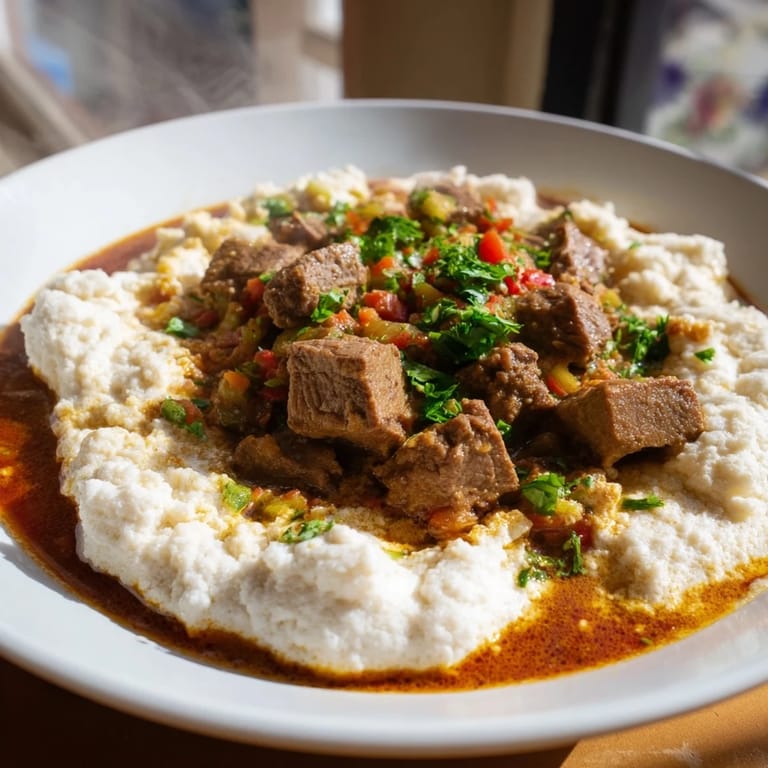
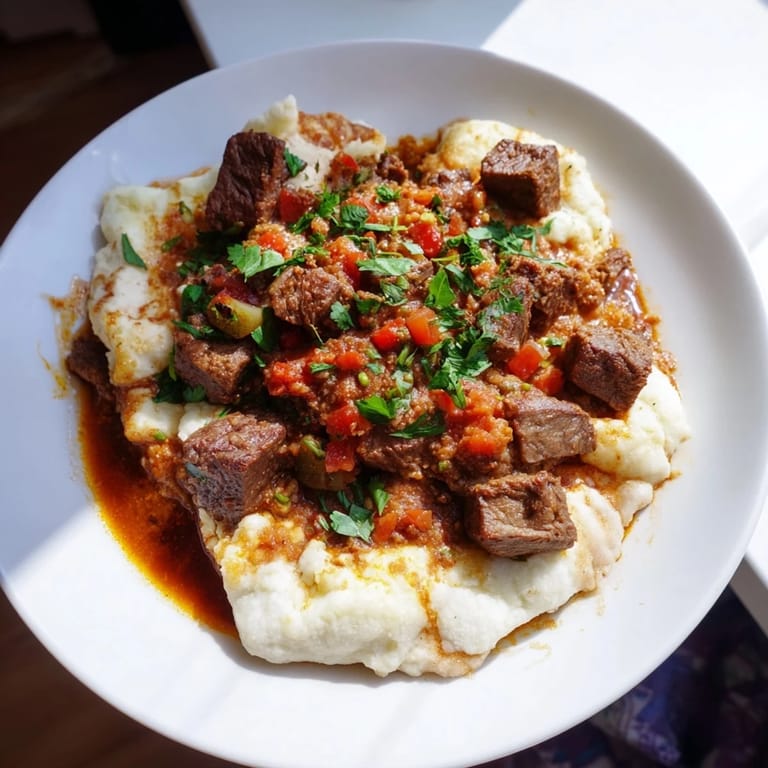
- Tear your flatbread into pieces and distribute among serving bowls. Ladle the hot stew over the bread so it soaks up all that beautiful broth but isn't completely submerged into mush.
- Crown with hulbah:
- Spoon a generous cloud of the fenugreek foam on top of each bowl. The contrast between the hot stew and the cool, fluffy topping is intentional and essential to the experience.
 Pin It
 There was a moment when my friend reached the bottom of her bowl and used a piece of bread to collect every last drop of broth mixed with hulbah. She looked up and said nothing, just smiled—that's when I knew this recipe had crossed from being interesting to being genuinely memorable.
The Secret of Fenugreek
Fenugreek seems intimidating because it's unfamiliar, but it's genuinely forgiving. The ground seeds smell potent and slightly maple-like, almost too strong when dry, but soaking and whisking transforms them into something subtle and sophisticated. I once made the mistake of not soaking them long enough and created a grainy texture instead of foam, but even that version was delicious—just different. The point is, this ingredient rewards patience but forgives small missteps.
Building Layers, Building Meals
What makes Saltah special isn't any single component but the conversation between them—the bread catching broth, the stew warming everything, the hulbah providing a cool, herbal counterpoint. I've served this to vegetarians by replacing meat with extra root vegetables and chickpeas, and it works beautifully. The structure itself is what makes the dish, so feel free to adjust what goes inside without losing the soul of it.
Timing and Service
The beauty of this dish is that most of it happens hands-off while the stew simmers, which means you can prepare other things or just sit and breathe in the spiced steam from your pot. The only time-sensitive piece is the hulbah, which actually whips faster than you'd expect and stays foamy for maybe twenty minutes, so time your final prep for right when you're ready to serve. Your guests will taste the care in every layer.
- Start the stew first thing; it needs the full cooking time to develop properly.
- Begin whisking hulbah about twenty minutes before you plan to serve so it's fresh and at its fluffiest.
- Have your flatbread torn and bowls ready so assembly is quick and the stew stays hot.
 Pin It
 This is the kind of meal that transforms a dinner table into something warmer, where everyone slows down to really taste what's in front of them. Make it once and you'll understand why it's been nourishing people for generations.
Recipe FAQs
- → What cut of meat is best for this stew?
Use beef or lamb cut into 2 cm cubes for tender and flavorful results after slow simmering.
- → How is the whipped fenugreek topping prepared?
Ground fenugreek seeds are soaked, then vigorously whisked until light and frothy before mixing in tomato, cilantro, chili, and lemon juice.
- → Can I substitute the flatbread used in this dish?
Yes, traditional Yemeni flatbreads like malawah or lahoh work best, but pita or naan can be used as alternatives.
- → What spices give this stew its distinctive flavor?
The blend includes cumin, coriander, black pepper, turmeric, and fenugreek, working together to create a warm, aromatic profile.
- → Is there a vegetarian alternative to the meat base?
You can omit meat and add extra root vegetables or beans to maintain a hearty texture and flavor.