 Pin It
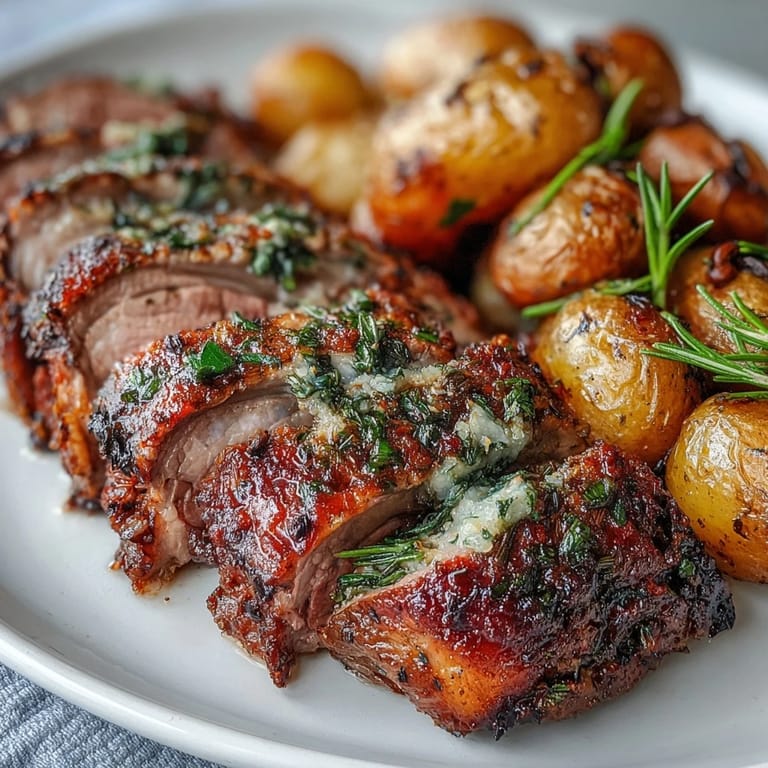
 The kitchen window was wide open that evening, spring air drifting in while I wrestled with a tiny rack of lamb I'd impulse-bought at the butcher. I had no plan, just potatoes and a jar of green olives staring back at me from the counter. What started as a gamble turned into the kind of dinner that makes you set your phone aside and actually talk. The lamb bronzed beautifully, the potatoes crisped up around the edges, and suddenly our Tuesday felt like an occasion worth remembering.
I made this again a few weeks later when my sister came over, skeptical that anything this easy could impress. She watched me toss potatoes and rub herbs onto the lamb, then we sat outside with our plates and she admitted she'd been wrong. Sometimes the meals that come together fastest are the ones people remember longest, especially when the meat is tender enough to cut with a fork and the potatoes taste like they soaked up all the good bits from the pan.
Ingredients
- Rack of lamb: A small Frenched rack is perfect for two, the exposed bones make it feel fancy, and the fat cap bastes the meat as it roasts so every bite stays juicy.
- Dijon mustard: This acts like glue for the herbs and adds a subtle sharpness that balances the lamb's richness without overpowering it.
- Fresh rosemary and thyme: I learned to chop these finely so they stick to the meat instead of falling off, and the aroma they release in the oven is half the reason this dish feels special.
- Baby potatoes: Halving them gives you more crispy surface area, and their creamy centers soak up olive oil and seasoning like little flavor sponges.
- Smoked paprika: Just half a teaspoon gives the potatoes a gentle smokiness that makes them taste more complex than they actually are.
- Green olives: Pitted and halved, they bring a salty, briny punch that wakes up the whole plate, especially when tossed with warm potatoes.
- Lemon zest: A little citrus brightness at the end cuts through the fat and makes everything taste lighter and more alive.
- Fresh parsley: Chopped at the last minute, it adds color and a grassy freshness that ties the olives and potatoes together.
Tired of Takeout? 🥡
Get 10 meals you can make faster than delivery arrives. Seriously.
One email. No spam. Unsubscribe anytime.
Instructions
- Prep the oven and tray:
- Preheat to 220°C and line your baking tray with parchment so cleanup is as easy as crumpling paper. The high heat is what gives you that golden crust on both the lamb and the potatoes.
- Season the potatoes:
- Toss halved baby potatoes with olive oil, smoked paprika, oregano, salt, and pepper in a bowl until every piece is glossy. Spread them on one side of the tray, cut side down if you want extra crispness.
- Prepare the lamb:
- Pat the rack completely dry with paper towels, then mix olive oil, Dijon, rosemary, thyme, garlic, salt, and pepper into a paste and massage it all over the meat. Let it sit for a moment while the oven finishes heating so the flavors start to meld.
- Arrange on the tray:
- Place the lamb fat side up on the other side of the tray, making sure it doesn't crowd the potatoes. Giving everything space helps the heat circulate and keeps things from steaming.
- Roast:
- Slide the tray into the oven and roast for 25 minutes for medium rare, flipping the potatoes halfway through so they brown evenly. Use a meat thermometer if you're nervous, aiming for around 54°C internal temperature.
- Make the olive mix:
- While everything roasts, combine green olives, parsley, lemon zest, and capers in a small bowl. The smell of lemon and herbs will make you impatient for dinner.
- Rest the lamb:
- Pull the tray out, tent the lamb loosely with foil, and let it rest for 8 to 10 minutes. This lets the juices redistribute so they don't run all over your cutting board.
- Finish the potatoes:
- Scatter the olive mixture over the hot potatoes and toss gently with tongs. The warmth will release the lemon oil and meld everything into a bright, savory side.
- Slice and serve:
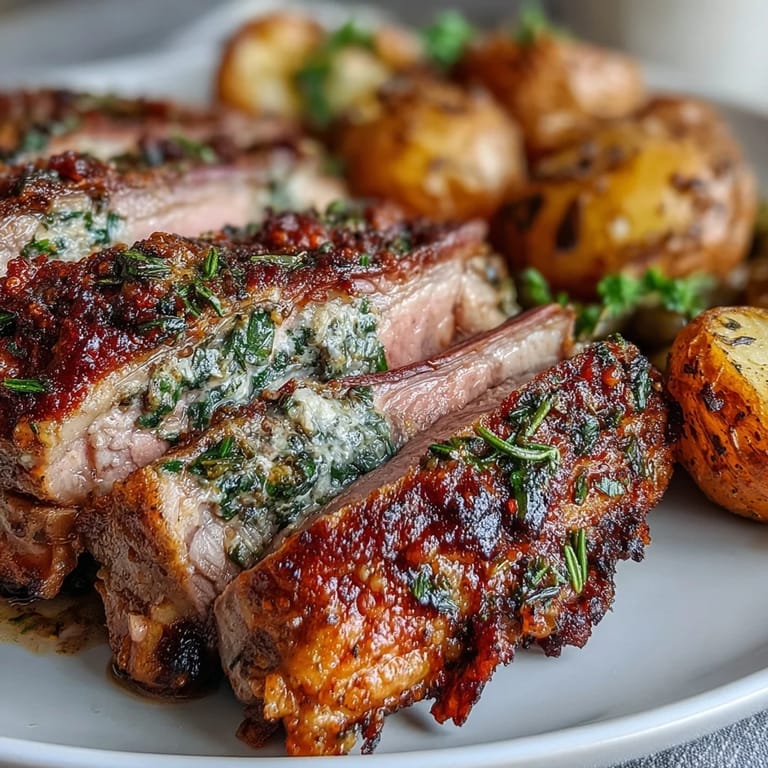
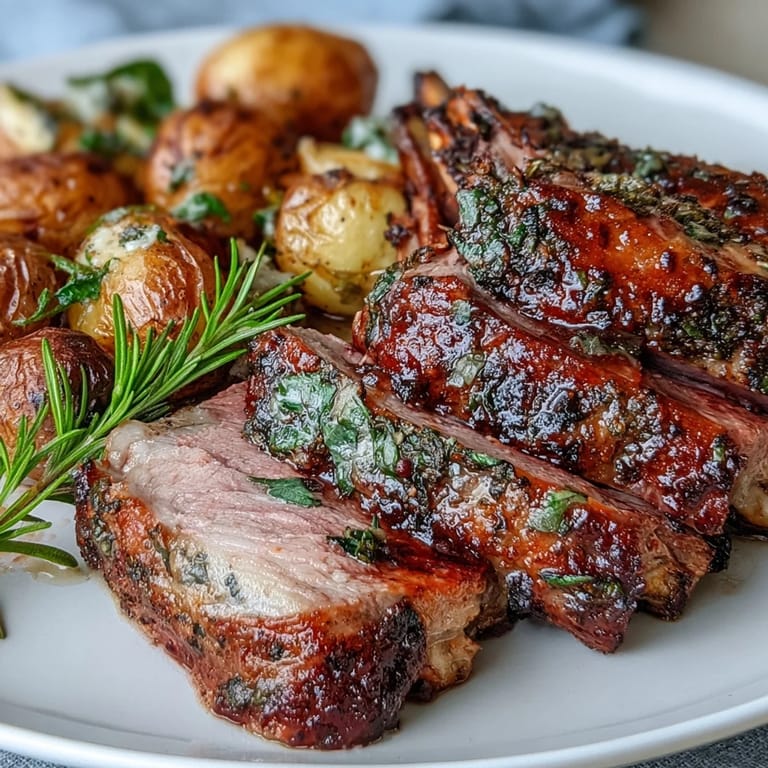
- Cut between the bones to separate the chops, plate them next to the potatoes, and try not to eat standing at the counter. You made something worth sitting down for.
 Pin It
 There was a night last autumn when I made this after a long week, just the two of us at the table with candles and no agenda. The lamb was tender, the potatoes were salty and bright, and we didn't talk about work or plans, just sat there eating slowly and refilling our glasses. It's funny how a simple dinner can feel like a small celebration when you let it.
How to Know When the Lamb Is Done
I used to guess and hope, but a cheap instant read thermometer changed everything. For medium rare, pull it at 54°C, knowing it will climb a few degrees while resting. If you prefer medium, aim for 57 to 60°C, and for well done, go to 63°C, though the meat will be firmer and less juicy. The texture should feel springy when you press the thickest part, not squishy or rock hard.
Making It Ahead
You can rub the lamb with the herb paste up to four hours ahead and leave it covered in the fridge, which actually deepens the flavor. The potatoes can be prepped and stored in a bowl of cold water to prevent browning, just drain and dry them well before tossing with oil. I wouldn't recommend cooking everything in advance since reheating lamb never quite captures that first perfect bite, but the prep work makes dinner feel effortless when the time comes.
Swaps and Serving Ideas
If green olives aren't your thing, try Kalamata or even sun dried tomatoes for a sweeter, richer note. Swap smoked paprika for regular if you want a milder flavor, or add a pinch of chili flakes if you like a little heat. I've served this with a simple arugula salad dressed in lemon and olive oil, or alongside roasted asparagus when it's in season, and both felt right.
- A light red wine like Pinot Noir or Grenache complements the lamb without overpowering the olives and herbs.
- Leftovers, if you have any, make an excellent next day lunch sliced thin and tucked into warm pita with yogurt.
- For a richer finish, drizzle the plated lamb with a little extra virgin olive oil or a spoonful of pan juices if there are any.
 Pin It
 This is the kind of meal that makes you feel capable and a little indulgent at the same time, proof that cooking for two doesn't have to mean leftovers for days or complicated techniques. Just good ingredients, high heat, and the patience to let things rest before you dig in.
Recipe FAQs
- → What internal temperature should I aim for when cooking rack of lamb?
For medium-rare, aim for an internal temperature of 54°C (130°F). For medium, cook to 60°C (140°F), and for medium-well, reach 65°C (150°F). Use a meat thermometer inserted into the thickest part of the meat, avoiding the bone.
- → Can I prepare the lamb marinade ahead of time?
Absolutely! You can rub the herb-mustard mixture onto the lamb and refrigerate it for up to 4 hours before roasting. This allows the flavors to penetrate the meat more deeply, resulting in an even more flavorful dish.
- → What can I substitute for green olives?
Black olives, Kalamata olives, or even sun-dried tomatoes work wonderfully as alternatives. Each will bring a slightly different flavor profile, but all complement the lamb and potatoes beautifully.
- → How do I know when the potatoes are properly roasted?
The potatoes should be golden brown and crispy on the outside while tender when pierced with a fork. Turning them halfway through cooking ensures even browning and prevents them from sticking to the pan.
- → Why is it important to let the lamb rest after roasting?
Resting allows the juices to redistribute throughout the meat, ensuring each chop remains moist and flavorful when sliced. Tenting with foil keeps the lamb warm while it rests for 8–10 minutes.
- → What wine pairs best with this dish?
Light to medium-bodied red wines such as Pinot Noir, Grenache, or a young Côtes du Rhône complement the herb-crusted lamb and Mediterranean flavors perfectly without overwhelming the dish.