 Pin It
 The first time I tasted zarb, it wasn't in a restaurant or at a formal dinner, but at a friend's family gathering on a cool autumn evening when someone pulled back foil and released a cloud of fragrant steam that made everyone lean in at once. That moment of revelation, where the smoky aroma hit before you could even see what was inside, changed how I thought about cooking with heat and time. It's a dish that belongs to the Bedouin tradition, born from resourcefulness and respect for ingredients, and now whenever I make it, I'm trying to capture that same magic of patience rewarded. The combination of tender meat, caramelized vegetables, and spices that have had hours to whisper to each other creates something that tastes like it took far more effort than it actually did. I've learned that the best version of zarb happens when you stop fussing and let the oven do the talking.
I remember bringing this to a potluck once, nervous because I'd made it in my small apartment oven instead of the traditional underground pit, worried something essential would be lost. When I opened the foil at the table and that steam rose up, a woman next to me literally closed her eyes, and I realized then that zarb doesn't need an underground oven to work its magic, it just needs time and an enclosed space where flavors can't escape. That moment taught me that cooking is sometimes about surrendering to what you have rather than apologizing for what you don't.
Ingredients
- Lamb shoulder or chicken pieces, bone-in, 1.5 kg: Bone-in meat creates a richer, more collagen-forward broth that coats your mouth as you eat; the bones also give you something to gnaw on, which feels intentional and generous.
- Olive oil, 2 tbsp: This is your conductor, helping the spices coat the meat evenly and later basting the vegetables as they cook down.
- Ground cumin, 2 tsp: The backbone of warmth in this dish; it makes you feel like you're tasting something with history.
- Ground coriander, 2 tsp: This brings a subtle citrus note that prevents the spices from feeling heavy or one-dimensional.
- Ground cinnamon, 1 tsp: Just enough to add intrigue without announcing itself; it's the spice that makes people pause and ask what that flavor is.
- Smoked paprika, 1 tsp: This gives you a hint of that pit-fire flavor even in a home oven, connecting you to the traditional method.
- Ground black pepper, 1 tsp: A simple anchor that makes all the other spices behave.
- Salt, 2 tsp: Season generously here; the slow cooking will mellow it perfectly.
- Garlic, minced, 4 cloves: Minced rather than whole so it distributes evenly through the marinade and dissolves slightly into the juices.
- Lemon juice, 1 juice: The acid brightens everything and helps break down the meat fibers slightly during the long marinade.
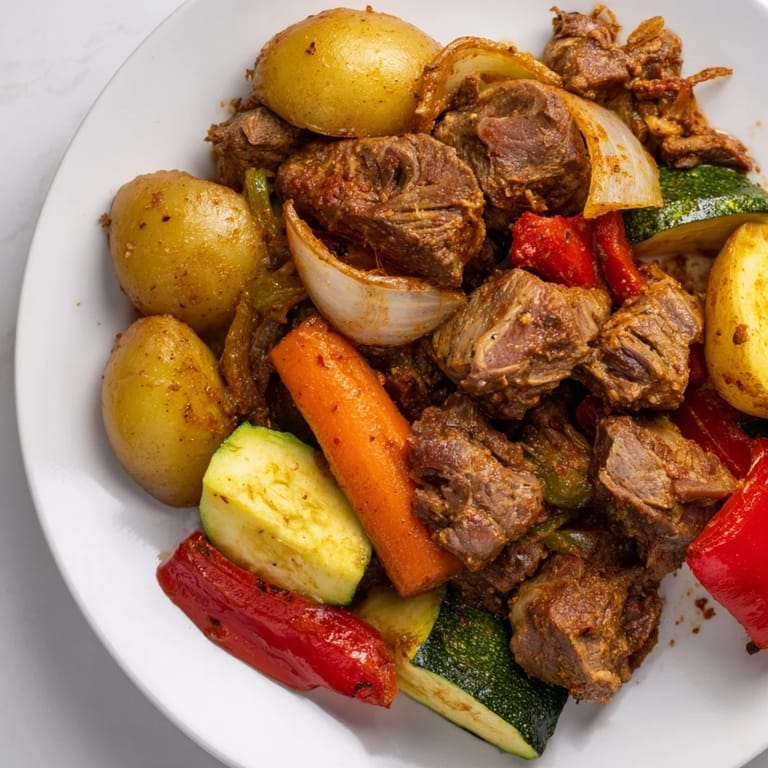
- Potatoes, 3 large: Quartered so they cook evenly and absorb the meat juices; they become almost creamy inside with a caramelized edge.
- Carrots, 3 large: Large chunks so they don't disappear into the pan; they'll turn silky and sweet.
- Onions, 2 medium: Quartered onions break down enough to add body to the braising liquid without falling apart completely.
- Zucchinis, 2 medium: Thick rounds hold their shape better than thin slices and won't turn to mush.
- Red and green bell peppers, 1 each: Chunked rather than diced; they soften while staying recognizable and add color.
- Tomatoes, 2 medium: Quartered so they break down and thicken the juices slightly without needing any cornstarch.
- Long-grain rice, 2 cups optional: A neutral bed that soaks up the spiced broth; cook it separately so it stays fluffy.
- Chicken or vegetable broth, 3 cups: For the rice, though honestly, any extra zarb juices would work beautifully here too.
- Butter or olive oil, 1 tbsp: A small amount makes rice grains shine without competing with the main dish.
Tired of Takeout? 🥡
Get 10 meals you can make faster than delivery arrives. Seriously.
One email. No spam. Unsubscribe anytime.
Instructions
- Make the spice rub:
- Whisk together olive oil, cumin, coriander, cinnamon, paprika, black pepper, salt, garlic, and lemon juice in a bowl. This mixture should smell warm and inviting, like the beginning of something worth waiting for.
- Marinate the meat:
- Add your meat chunks to the spice mixture and massage it in thoroughly, getting the rub into every crevice and corner. Cover the bowl and refrigerate for at least an hour, though overnight will make you happier; the cold hours let the spices penetrate and soften the meat's fibers.
- Preheat your oven:
- Set it to 180°C (350°F) if you're cooking at home rather than in a traditional underground pit. Give it a few minutes to reach temperature so the tray gets a proper sizzle when it goes in.
- Arrange the meat:
- Spread your marinated meat pieces on a large roasting tray or wire rack, leaving a bit of space between chunks so heat can circulate. Don't crowd them; they need room to breathe and develop flavor.
- Prepare and nestle the vegetables:
- Toss all your vegetables in a separate bowl with a drizzle of olive oil, salt, and pepper, then arrange them around and beneath the meat pieces. They'll cook in the fat and juices that drip from the meat, which is where the real flavor magic happens.
- Seal and slow-cook:
- Cover your tray tightly with aluminum foil (or wrap in banana leaves first, then foil for authenticity) to trap steam and create a closed cooking environment. Slide it into the oven for 2.5 hours until the meat is so tender it nearly falls from the bone and the vegetables have softened into themselves.
- Prepare rice if serving:
- Combine rice, broth, butter, and salt in a saucepan and bring to a boil, then reduce heat and cover tightly. Let it simmer for 15 to 20 minutes while the zarb finishes, so everything is ready at the same moment.
- Serve with ceremony:
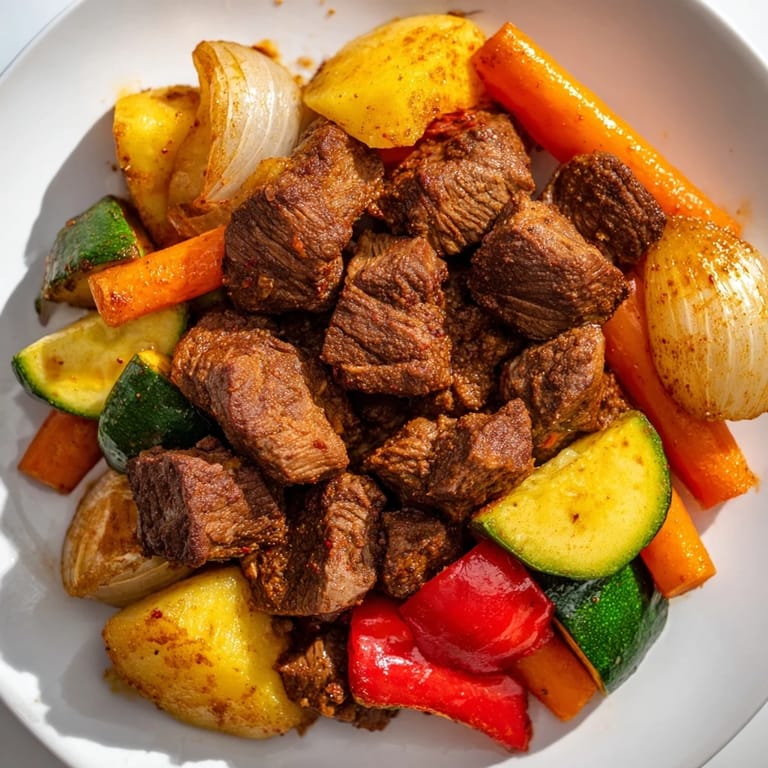
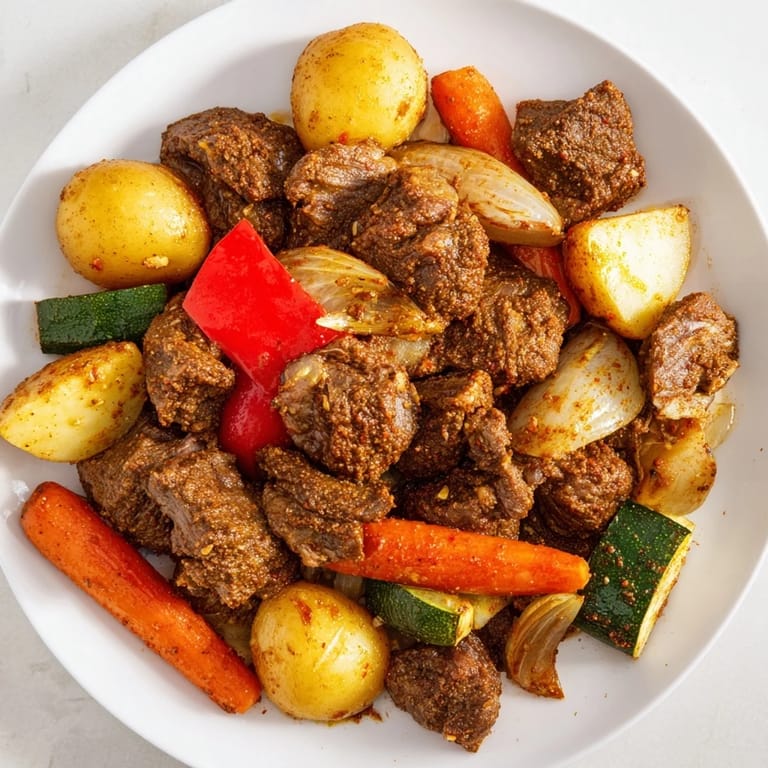
- Carefully open the foil (watch for the steam escape) and transfer the meat and vegetables to a large platter, optionally arranged over rice. Spoon all those precious spiced juices over top, because that liquid is where half the taste lives.
 Pin It
 There's a quiet moment I love that happens right before serving, when you're standing there with foil in your hands and the whole kitchen smells like cinnamon and slow-cooked meat and you realize you barely did anything active, just trusted the time. That feeling of effort rewarded without exhaustion is what makes zarb feel less like a recipe and more like a small gift you give your dinner guests and yourself.
The Bedouin Roots of Zarb
Zarb comes from Bedouin cooking traditions where underground pits were dug, lined with hot stones, and used to cook entire meals slowly and evenly with minimal fuel consumption. It's a technique born from living in the desert where resources matter and efficiency is respect. When you cook zarb at home in a regular oven, you're participating in a thousands-year-old conversation about how to coax maximum flavor from humble ingredients and fire. The spice blend itself reflects trade routes and the ingredients that traveled those routes; it's a map of the Middle East in your spice rack. Understanding this history doesn't change the recipe, but it changes how it feels to make it.
Why the Sealed Cooking Method Works
When you seal the tray with foil, you're creating a miniature steam oven where moisture can't escape and flavors concentrate instead of dispersing. The vegetables release their water as they cook, which mixes with the meat juices and the spice rub to create a braising liquid that's more flavorful than anything you could make in a pot on the stovetop. The gentle heat (350°F is lower than most roasting temperatures) keeps everything from browning aggressively, instead allowing for slow, even cooking where the meat stays moist and the vegetables turn almost creamy inside. Every piece of food in that tray is essentially poaching in a soup of its own making, seasoned by everything else cooking alongside it. This is why leaving the foil on the entire time matters; removing it to stir would be like opening a door and letting all the magic escape into your kitchen.
Variations and Personal Touches
Once you understand how zarb works, it becomes a framework for improvisation rather than a rigid formula. I've made versions with eggplant instead of zucchini, with sweet potato chunks that turn almost jammy, even with a mix of lamb and chicken when I didn't have enough of one thing. The spice blend is flexible too; if you don't have smoked paprika, use regular paprika with an extra quarter teaspoon of cinnamon. I once added a handful of dried apricots that broke down and created this subtle sweetness that made people ask what the secret ingredient was. The joy of zarb is that it's forgiving; it wants to work, and it's hard to make it taste bad.
- Swap vegetables based on season and preference; eggplant, sweet potato, and even cauliflower all work beautifully.
- For a dairy-free version, use olive oil instead of butter in the rice and skip any yogurt sauce on the side.
- Make extra and freeze the leftovers; reheated zarb is somehow even better the next day as flavors continue to deepen.
 Pin It
 Zarb is the kind of dish that teaches you that sometimes the best cooking is about stepping back and letting heat and time do the work you'd otherwise try to rush. Make it, trust the process, and watch how something as simple as meat, vegetables, and spices becomes something worth remembering.
Recipe FAQs
- → What cut of meat works best for Zarb?
Lamb shoulder or bone-in chicken pieces are ideal as they remain moist and tender during slow cooking.
- → Can the dish be prepared without an underground oven?
Yes, it can be baked in a conventional oven at 180°C (350°F) using a roasting tray covered with foil.
- → What vegetables are traditionally included?
Potatoes, carrots, onions, zucchinis, bell peppers, and tomatoes are common in the dish, adding varied textures and flavors.
- → How long should the meat marinate?
Marinate the meat for at least one hour, though overnight refrigeration enhances the flavors significantly.
- → Is rice always served alongside?
Rice is optional but often accompanies the dish, cooked with broth and butter for a complementary soft texture.
- → What spices give Zarb its signature flavor?
Ground cumin, coriander, cinnamon, smoked paprika, black pepper, and garlic work together to create its distinctive taste.