 Pin It
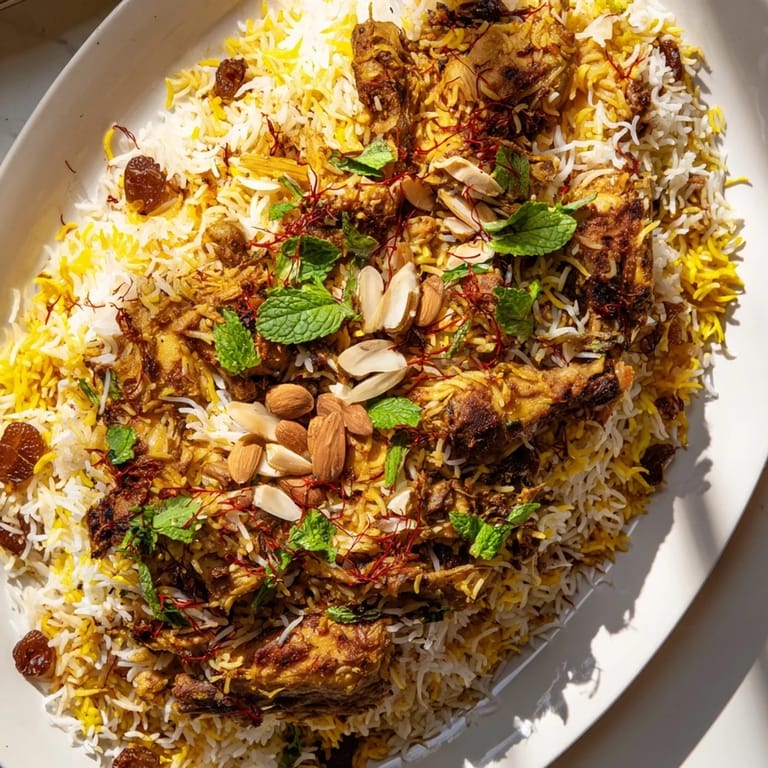
 The first time I made Kuwaiti biryani, my kitchen filled with a fragrance so intoxicating that my neighbor knocked on the door asking what smelled so good. I'd watched my aunt layer rice and meat in her heavy pot with the kind of calm confidence that comes from doing something a thousand times, and I decided that afternoon to try it myself. The layers felt like building something precious, each one getting a scatter of herbs and nuts before the rice went down. When I pulled it from the oven and the steam escaped, I understood why this dish shows up at every celebration.
I made this for my mother-in-law's birthday, nervous that I'd somehow mess it up, but the smell alone seemed to win approval before anyone took a bite. My hands were shaking a little as I fluffed the rice at the table, worried the layers might have collapsed or stuck together. When I served it and watched people close their eyes at that first taste, I realized biryani isn't just dinner—it's the sound of contentment.
Ingredients
- Bone-in chicken or lamb, 900 g: The bones release flavor into everything around them and keep the meat from drying out during the long bake.
- Plain yogurt, 1 cup: This is your tenderizer and flavor base—don't skip it or use flavored varieties.
- Ginger-garlic paste, 1 tbsp: Fresh is always better than jarred if you have time, but jarred works in a pinch.
- Ground cumin, coriander, turmeric, 1½ tsp each: These three are the heart of the dish and shouldn't be rushed or underestimated.
- Basmati rice, 3 cups: The long grains stay separate and absorb the flavors without becoming mushy.
- Ghee or butter, 5 tbsp total: Ghee has a deeper, nuttier flavor that makes a real difference, but butter works too.
- Whole spices (cloves, cardamom, cinnamon, bay leaf): These infuse the rice water and create that signature fragrant base that makes everything taste right.
- Large onions, 2: Caramelizing them takes patience, but those golden, sweet layers are worth every minute.
- Fresh coriander and mint, ½ cup total: Added in layers, these herbs brighten every bite and keep the dish from feeling heavy.
- Saffron threads, a pinch: Soak them in warm milk—this creates color and a subtle floral note that elevates the whole dish.
- Raisins and nuts, ½ cup total: These add texture and sweetness that balance the savory spices beautifully.
Tired of Takeout? 🥡
Get 10 meals you can make faster than delivery arrives. Seriously.
One email. No spam. Unsubscribe anytime.
Instructions
- Prepare your marinade and coat the meat:
- Mix yogurt with lemon juice, ginger-garlic paste, and all the ground spices in a large bowl. The mixture should smell complex and warm. Add your meat pieces and turn them over slowly until every piece is coated, then cover and let it sit in the fridge for at least an hour—overnight is even better because the flavors deepen.
- Soak and rinse the rice properly:
- Run cold water over your basmati rice in a fine sieve, stirring gently with your fingers until the water runs clear—this removes excess starch. Let it soak in fresh water for 30 minutes, then drain it well.
- Partially cook the rice with whole spices:
- Bring 5 cups of water and salt to a rolling boil in a large pot. Add your drained rice along with the cloves, cardamom pods, cinnamon stick, and bay leaf. You're aiming for that moment when the rice is about 70% cooked—still a bit firm in the center when you bite a grain. This takes about 6 to 7 minutes, and it's crucial not to overcook it here because it will finish in the oven.
- Caramelize your onions with patience:
- Heat ghee or oil in your Dutch oven over medium heat and add your thin-sliced onions. Don't rush this step—let them cook for 12 to 15 minutes, stirring often, until they turn deep golden and smell sweet. Reserve about half of them for garnish at the end.
- Sear and partially cook the meat:
- Add your marinated meat to the pot with the remaining onions and let it sear for 5 to 7 minutes without stirring too much, so the spices can caramelize on the surface. Cover and lower the heat, then cook gently for 20 to 25 minutes if using chicken, or 35 to 40 minutes if using lamb, until the meat is tender but not falling apart.
- Build your layers with intention:
- Scatter half your fresh herbs, raisins, and toasted nuts over the meat. Then layer half your par-cooked rice over top, gently pressing it down. Add the remaining herbs, raisins, and nuts, then finish with the last of the rice, creating an even top layer.
- Add the fragrant finishing touch:
- Pour your saffron milk (the saffron threads soaked in warm milk) evenly over the rice, letting it seep down into the layers. Dot the top with small pieces of ghee or butter, then cover the pot tightly with foil and place the lid on top.
- Bake until everything comes together:
- Put your covered pot into a 180°C (350°F) oven and bake for 30 to 35 minutes. You'll start to smell the rice absorbing all those spices and the meat flavors rising through the pot. When the time is up, let it rest for 10 minutes before opening.
- Fluff and serve with care:
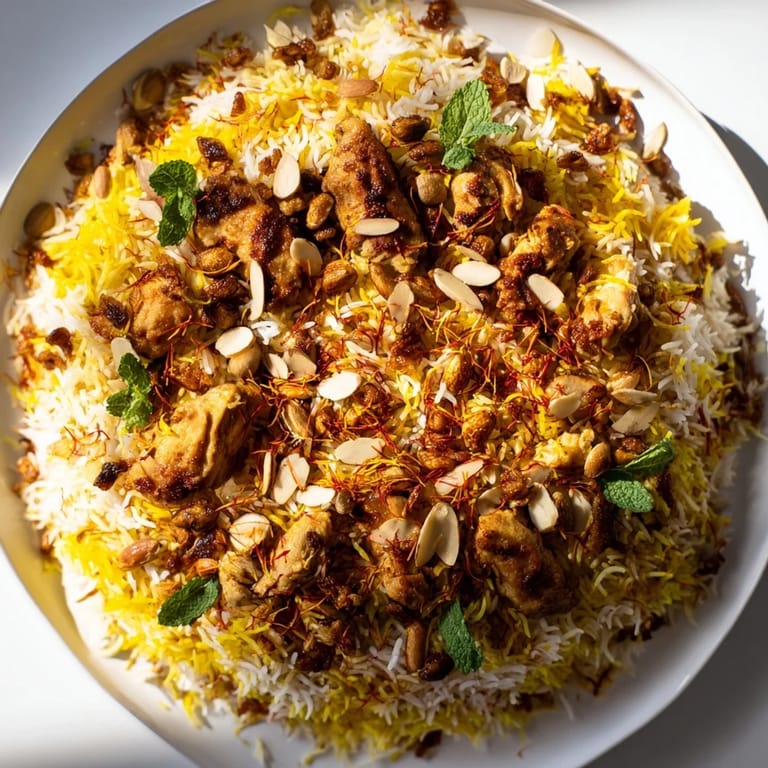
- Use a fork to gently fluff the rice, lifting from the bottom to keep the layers intact. Top with your reserved caramelized onions and a scatter of fried onions if you have them.
 Pin It
 There's a moment when you pull the foil off and the steam rises up, carrying with it every single spice and herb you've layered in—that's when you know you've made something worth making. I still remember my daughter asking if this was what happiness smelled like, and I realized she was right.
Why This Dish Matters Beyond the Kitchen
Kuwaiti biryani is more than just a recipe; it's an expression of care and tradition. Each layer you build is a small meditation, a moment to slow down and think about the people you're cooking for. In a world that moves too fast, this dish demands that you pay attention—to the smell of caramelizing onions, to the gentle sizzle of meat on the spices, to the fragrance that builds as it bakes.
Making This Your Own
The beauty of biryani is that it's forgiving enough to adjust to what you have and what you love. Some people add a few drops of rose water to the saffron milk for a floral note, others use extra nuts, and vegetarians swap the meat for paneer or roasted vegetables. The foundation stays solid, but the details can shift based on your mood and your pantry.
Serving and Pairing Ideas
Biryani is rich and complete on its own, but a cool raita or simple cucumber-yogurt salad alongside it brings a lovely brightness that cuts through the spices. Some people like a squeeze of fresh lemon at the table, others prefer it plain to taste every layer you've carefully built. The fried onions on top add a final crunch that shouldn't be skipped—they're not just garnish, they're the last note in a complex melody.
- Make a quick raita by stirring mint, cumin, and salt into plain yogurt and serve it cold.
- A crisp cucumber salad with lime juice and red onion balances the richness beautifully.
- Don't be shy with those fried onions at the end—they're the texture that makes people remember the dish.
 Pin It
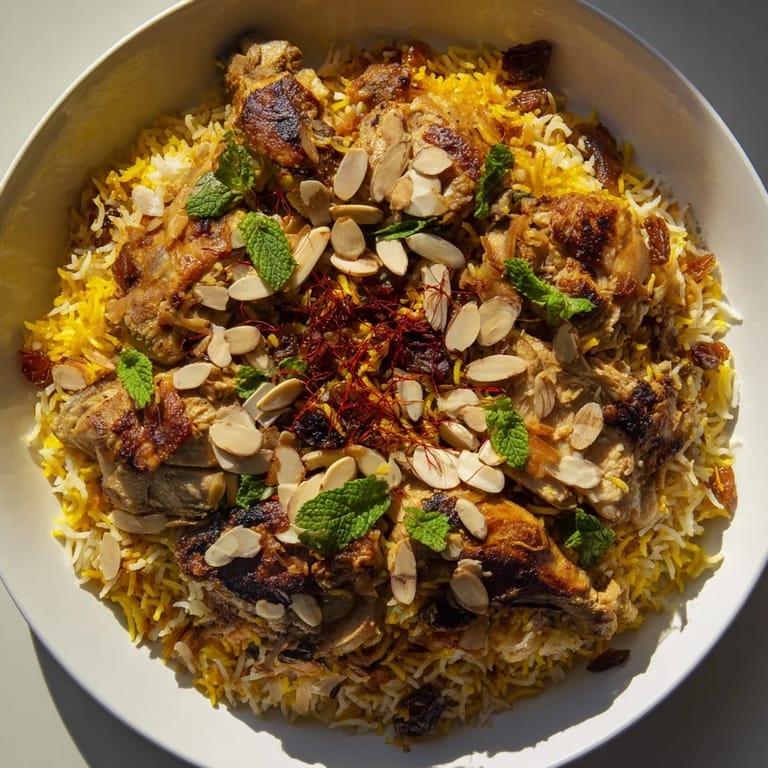
 This biryani will fill your kitchen with memories as much as it fills bowls. Make it for the people you love, and watch how a simple meal becomes the thing they ask about for months to come.
Recipe FAQs
- → What type of meat works best for this dish?
Bone-in chicken pieces or lamb cut into serving sizes provide excellent flavor and tenderness when marinated and cooked in this layered dish.
- → How is the rice prepared for layering?
Basmati rice is rinsed thoroughly, soaked, then partially boiled with whole spices like cloves, cardamom, cinnamon, and bay leaf before draining and layering.
- → Why is saffron soaked in warm milk used?
Soaking saffron in warm milk releases its color and aroma, which enhances the flavor and beautiful golden hue of the final layered rice.
- → Can this dish be made vegetarian?
Yes, substituting the marinated meat with paneer or mixed vegetables allows for a flavorful vegetarian version without losing the essence.
- → What garnishes add texture and flavor?
Toasted nuts, raisins, fresh herbs, and fried onions bring complementary textures and bursts of flavor to each layered serving.