 Pin It
 The first time I encountered true Omani Shuwa, it wasn't in a restaurant—it was at a family gathering where my friend's mother unwrapped banana leaves from a roasting pan and the entire kitchen filled with this intoxicating cloud of cinnamon, cardamom, and something deeper I couldn't name. The meat inside was so tender it fell apart at the gentlest touch, and I watched her serve it with such quiet pride that I knew I had to learn how to make it. Years later, standing in my own kitchen layering spices into a paste, I finally understood: Shuwa isn't just slow-cooked meat—it's patience transformed into flavor, tradition wrapped in leaves.
I made this for the first time when my partner's family came over, and I'll admit I was nervous about whether I could pull off something so traditionally significant. But watching everyone sit down and taste it, seeing their eyes close for that moment of pure enjoyment—that's when I realized that cooking Shuwa isn't about being perfect, it's about showing up with intention and letting the spices do what they've been doing for centuries.
Ingredients
- Bone-in lamb shoulder or leg (2.5 kg): The bone adds incredible depth to the cooking liquid, and the fat renders into the meat, keeping it impossibly juicy through the long slow-cook—use beef or goat if that's what you have, though lamb is traditional for a reason.
- Garlic and ginger paste (4 tbsp and 2 tbsp respectively): Fresh paste, not powder, gives you that living heat and brightness that carries through the hours of cooking; I learned this the hard way after trying dried garlic once.
- Ground coriander, cumin, cinnamon, cardamom (2 tbsp, 1.5 tbsp, 1 tbsp, 1 tbsp): These are the heart of Shuwa—measure them with intention because they build on each other, creating a warm, almost sweet backdrop that keeps people reaching for more.
- Black pepper, cloves, paprika, turmeric, chili powder (1 tbsp, 2 tsp, 2 tsp, 1 tsp, 2 tsp): The supporting cast that adds complexity, heat, and that golden color—adjust the chili powder to your comfort level, but don't skip the cloves.
- Salt, white vinegar, vegetable oil, lemon juice (2 tsp, 1/4 cup, 1/4 cup, juice of 2 lemons): The acid and salt help the spices penetrate the meat while the oil carries the fat-soluble flavors deep into every fiber.
- Banana leaves (4–6 large): These are non-negotiable if you can find them—they soften and become almost part of the dish, while also keeping the meat steaming in its own juices; parchment or foil works in a pinch but tastes different.
Tired of Takeout? 🥡
Get 10 meals you can make faster than delivery arrives. Seriously.
One email. No spam. Unsubscribe anytime.
Instructions
- Build the spice blend:
- Combine every spice, the garlic, ginger, salt, vinegar, oil, and lemon juice in a bowl and stir until you have a dark, fragrant paste that smells like you've opened a spice merchant's treasure chest. Taste it on your finger—it should be bold, warming, and make you want to lean in close.
- Score and coat the meat:
- Pat your lamb dry with paper towels, then use a sharp knife to make deep cuts across the surface, cutting through to the bone where you can. Work the marinade into every crevice and cut, massaging it like you're sharing a secret with the meat itself.
- Let time do the work:
- Cover the bowl and refrigerate for at least 8 hours, though 24 hours is where magic happens—the spices have time to reach inward, and when you unwrap it, the paste will have darkened slightly and the smell will make you dizzy. This is the hardest step because waiting is difficult.
- Prepare for the long cook:
- Heat your oven to 160°C (320°F), then lay out your banana leaves and arrange them shiny-side up on a clean surface. If they're stiff from the fridge, run them under warm water for a moment to soften them.
- Wrap with intention:
- Place the marinated meat in the center of your leaves and fold them up and around like you're tucking in someone you love, then tie with kitchen twine or wrap tightly in foil—you want a seal that keeps all the steam inside. The wrapping is what transforms this from braised meat to something that tastes like it came from an underground oven.
- The long, slow roast:
- Place the wrapped bundle in a heavy roasting pan, cover with a lid or more foil, and slide it into the oven for 4 to 6 hours—the longer you can manage, the more the meat surrenders to tenderness. At the 2-hour mark, you might peek (just once, I promise), and the smell will confirm you're on the right path.
- The unwrapping moment:
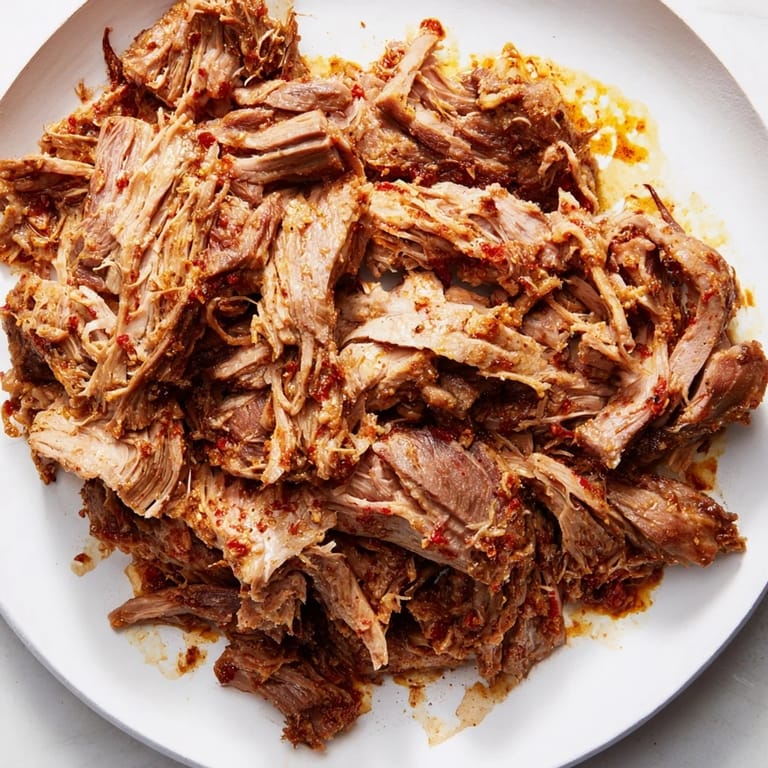
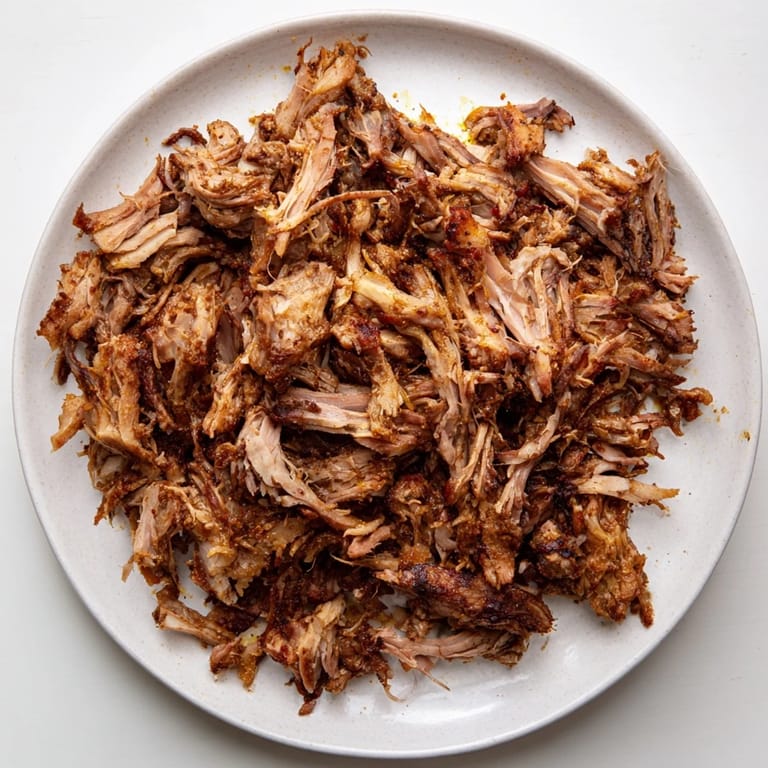
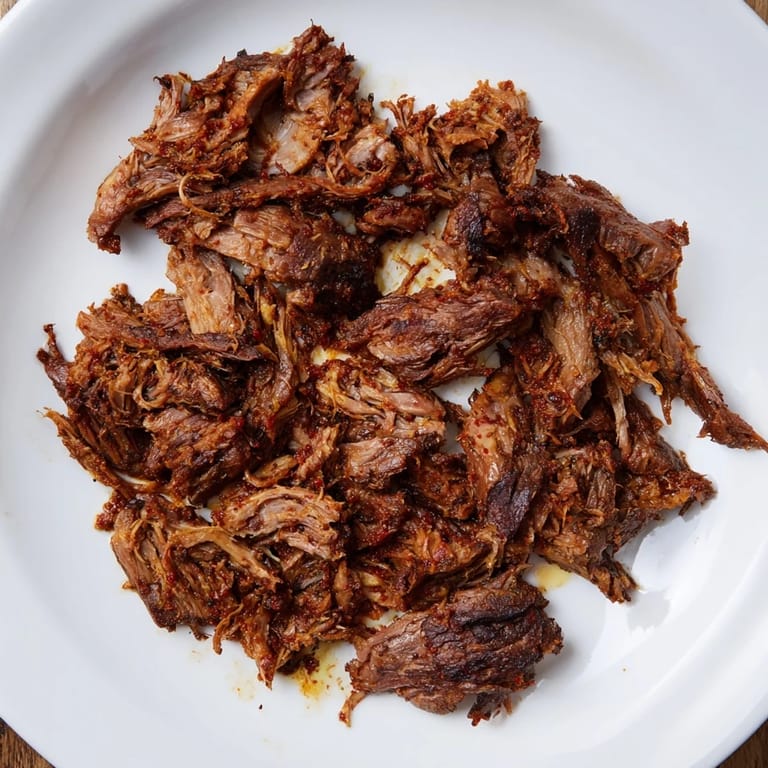
- When it's done, the meat will shred at the gentlest pressure of a fork, and the banana leaves will have darkened and softened into something almost translucent. Carefully open everything up, letting the steam rise, and either shred the meat or cut it into large pieces depending on your mood and what you're serving it with.
 Pin It
 There was this moment, maybe four hours into the cooking, when I opened the oven just enough to peek and caught the full fragrance—my whole apartment smelled like someone's grandmother was cooking in every room at once. That's when I understood that Shuwa is about more than feeding people; it's about filling a space with generosity that you can actually breathe in.
The Spice Story
Each spice in Shuwa's blend has a job, and they don't all announce themselves at once. The cinnamon gives you warmth and sweetness, the cumin brings earthiness, and the cardamom adds this floral, almost haunting note that makes you pause mid-chew. The cloves are the secret weapon—just enough to remind you this is a spiced dish, but not so much that they overwhelm. I once made a batch without properly measuring the cloves and the entire thing tasted like I'd cooked with a medicine cabinet instead of a spice rack, so now I use my fingers to count them out and add them with respect.
Timing and Patience
The beauty of Shuwa is that it doesn't demand constant attention—you wrap it, you put it in the oven, and then you have hours to live your life while the heat and time do the real work. The meat reaches that fall-apart tenderness somewhere between 4 and 6 hours, depending on the size of your cut, the reliability of your oven, and honestly, the phase of the moon (or so it seems some days). I've found that if you listen carefully when you open the oven, you can hear the gentle sizzle that tells you it's still steaming properly, and that's usually a good sign.
Serving and Variations
Shuwa is meant to be generous, so serve it with something that can catch all those gorgeous juices—spiced rice, warm flatbread, or even roasted vegetables that will soak up the flavors. I've seen it plated fancy and I've seen it piled onto a shared platter, and both ways are correct. Some people like to finish it with a quick grill after unwrapping to add a bit of char and smokiness, which deepens everything, though it's absolutely not necessary if you're content with the gentle, braised perfection you've already created.
- Serve with jasmine rice or white rice that's been cooked in chicken stock for extra flavor absorption.
- A cooling yogurt sauce or simple cucumber salad makes a perfect counterpoint to all that warmth and richness.
- Leftovers (if there are any) shred into sandwiches the next day or warm beautifully, tasting even better as the flavors continue to meld.
 Pin It
 Making Shuwa feels like you're honoring something larger than yourself—a tradition, a flavor memory, a way of cooking that says time and spice and steam are all you need to transform simple meat into something transcendent. Every time I make it, I think about that moment in my friend's mother's kitchen, and I'm grateful I get to pass that feeling forward.
Recipe FAQs
- → What meat works best for Omani Shuwa?
Bone-in lamb shoulder or leg provides ideal flavor and texture, though beef or goat are alternatives.
- → How long should the meat marinate?
The meat benefits from 8 to 24 hours of marinating to absorb the spices thoroughly.
- → Why are banana leaves used for wrapping?
Banana leaves help retain moisture and impart a subtle earthy aroma during slow cooking.
- → Can I cook Shuwa without a traditional underground oven?
Yes, wrapping the meat tightly and slow-roasting in a conventional oven provides tender results and rich flavors.
- → What sides pair well with this dish?
Spiced rice, fresh salad, and yogurt-based sauces complement the rich and aromatic meat beautifully.
- → How do I add a smoky flavor?
Briefly grilling the unwrapped meat before serving enhances smokiness and depth.