 Pin It
 I pulled a pork shoulder from the fridge one cold Saturday morning with no real plan except time. The house was quiet, and I figured slow and low was the answer. By noon, the smell of rosemary and roasting meat had filled every corner, and by dinner, I had a centerpiece worth remembering.
The first time I made this for friends, I worried four hours was overkill. But when I lifted the lid and saw the meat pulling away from the bone, I knew patience had paid off. We ate it with our hands, laughing over second helpings, and someone asked if I'd cater their birthday.
Ingredients
- Bone-in pork shoulder: The bone keeps everything moist and adds deep flavor as it roasts, plus it makes the kitchen smell like a farmhouse feast
- Olive oil: Helps the seasoning stick and gives the skin a head start on crisping up
- Kosher salt and black pepper: Simple, but they draw out the pork's natural sweetness and create that savory crust
- Onion and garlic: They soften into the pan juices and become part of the base that flavors every baste
- Fresh rosemary and thyme: Woody herbs that hold up to long roasting and perfume the meat from the inside out
- Apple cider: The backbone of the glaze, it reduces down into something rich and almost caramelized
- Apple cider vinegar: Cuts through the sweetness and keeps the glaze from feeling heavy
- Dijon mustard: Adds a sharp, tangy edge that balances the brown sugar beautifully
- Light brown sugar: Just enough to give the glaze body and a hint of molasses warmth
- Unsalted butter: Whisked in at the end, it makes the glaze glossy and smooth
Tired of Takeout? 🥡
Get 10 meals you can make faster than delivery arrives. Seriously.
One email. No spam. Unsubscribe anytime.
Instructions
- Prep the pork:
- Pat the shoulder completely dry with paper towels, then rub it all over with olive oil, salt, and pepper. The drier the skin, the crispier it will get later.
- Build the aromatic base:
- Scatter the onion, garlic, rosemary, and thyme across the bottom of your roasting pan. Nestle the pork on top, skin side up, so it sits on a fragrant cushion.
- Slow roast:
- Slide it into a 300°F oven and let it go for four hours, basting with the pan drippings every hour. The meat will relax, the fat will render, and the house will smell incredible.
- Make the cider glaze:
- While the pork roasts, combine cider, vinegar, mustard, brown sugar, and pepper in a saucepan and bring it to a boil. Simmer until it's reduced by half and coats the back of a spoon, then whisk in the butter until it shines.
- Finish with heat:
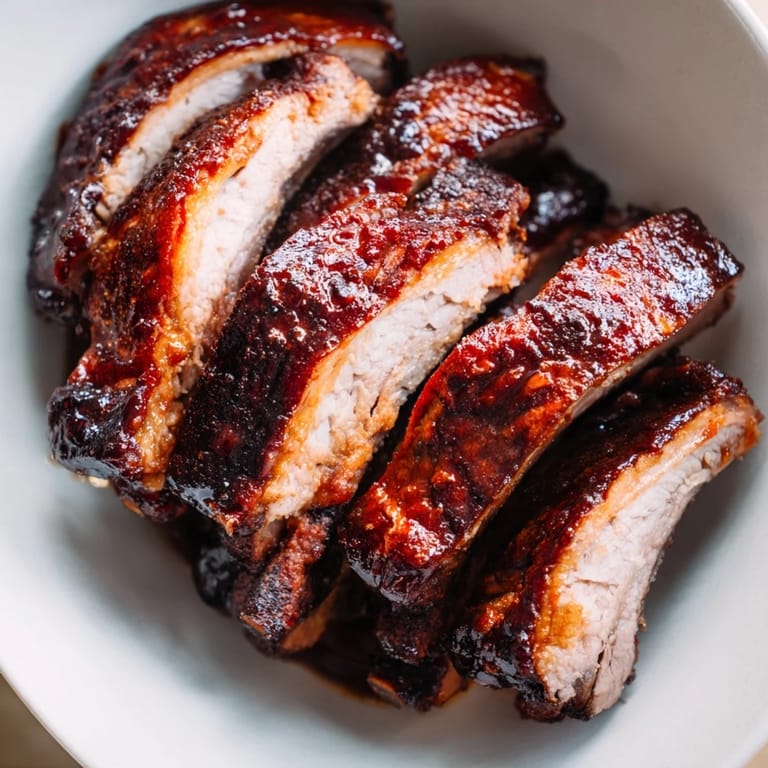
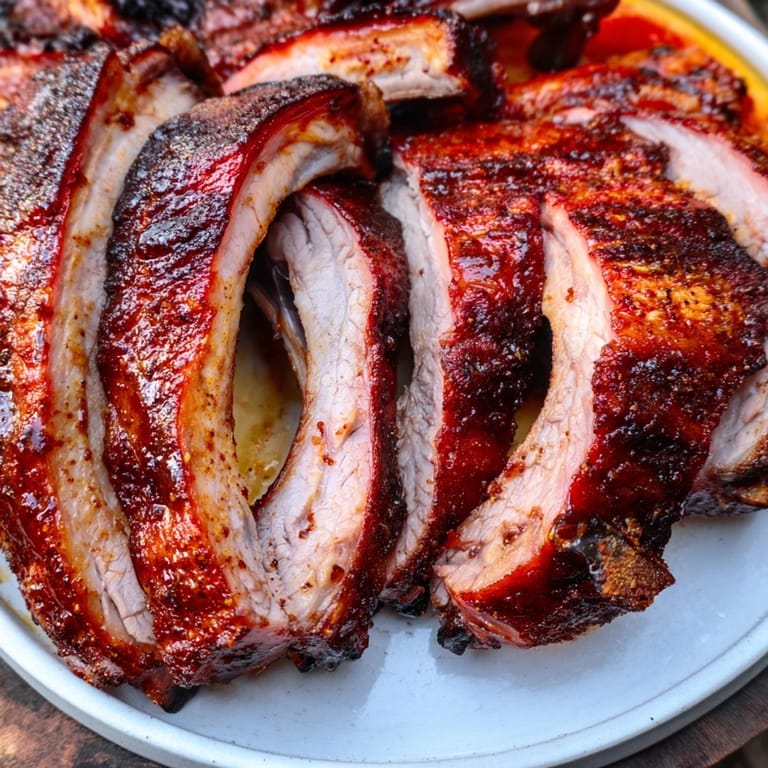
- Crank the oven to 425°F, brush the pork generously with glaze, and roast for another 20 to 30 minutes. Brush again halfway through until the skin turns deep golden and sticky.
- Rest and serve:
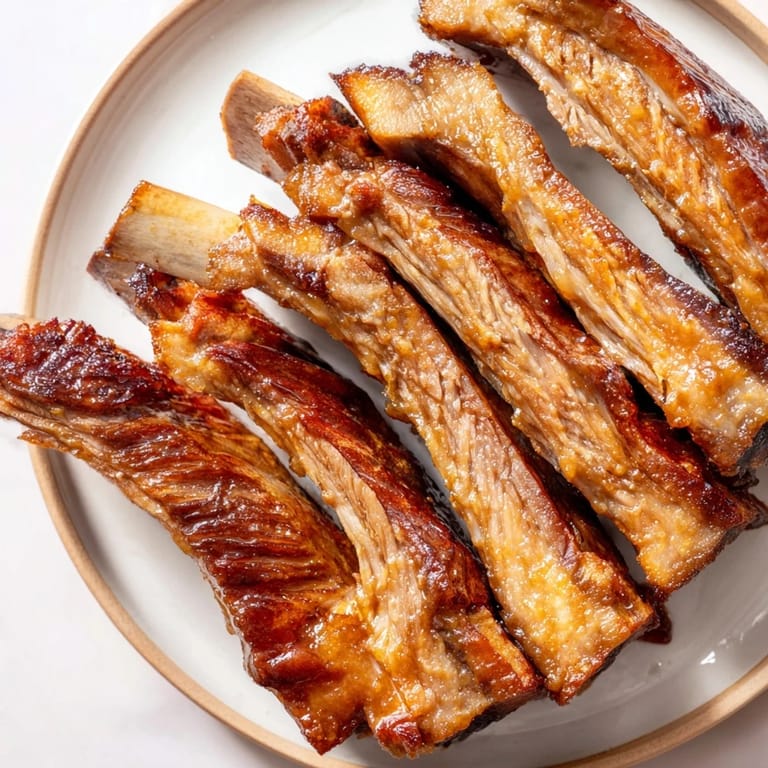
- Let the pork rest under foil for 20 minutes so the juices settle. Slice or shred, then drizzle with the remaining glaze and watch it disappear.
 Pin It
 One autumn evening, I served this with a pile of mashed potatoes and a simple slaw. My neighbor, who never asks for recipes, leaned over and said she wanted to learn how to make it. That felt better than any compliment I could have imagined.
Getting the Skin Just Right
Scoring the skin before roasting lets the fat render out more easily, and patting it bone dry is the real secret to crispness. If you want it even more crackling and golden, hit it with the broiler for two or three minutes at the very end, but watch it closely because it can go from perfect to burnt in a blink.
What to Serve Alongside
This pork loves anything that soaks up the glaze. Roasted root vegetables, creamy mashed potatoes, or a tart apple slaw all work beautifully. I have also tucked the shredded meat into soft rolls with pickles and called it a night.
Make It Your Own
If you want a richer, more complex glaze, swap the apple cider for hard cider. You can also add a pinch of cinnamon or a sprig of sage to the aromatics for a deeper, warmer flavor. The bones and drippings make an incredible stock if you are feeling ambitious the next day.
- Baste every hour to keep the meat moist and build up those glossy pan juices
- Use a meat thermometer if you are nervous, the internal temp should hit around 190°F for pull-apart tenderness
- Leftovers reheat beautifully and taste even better tucked into tacos or grain bowls
 Pin It
 This is the kind of meal that fills the house with warmth and makes everyone linger at the table a little longer. I hope it becomes one of those recipes you reach for when you want to feed people you love.
Recipe FAQs
- → How long should I slow-roast the pork shoulder?
Roast the pork uncovered at 300°F (150°C) for about 4 hours, basting hourly for optimal moisture and flavor.
- → What herbs are best with pork shoulder?
Rosemary and thyme complement pork shoulder nicely, adding earthy and aromatic notes during roasting.
- → How is the cider glaze prepared?
Simmer apple cider, cider vinegar, Dijon mustard, brown sugar, and black pepper until reduced by half, then whisk in butter for a smooth, tangy glaze.
- → Can the skin be made extra crispy?
Yes, finishing the pork under the broiler for 2-3 minutes after glazing crisps the skin to a deep golden caramelized finish.
- → What side dishes pair well with this pork shoulder?
Serve alongside roasted root vegetables, mashed potatoes, or a crisp apple slaw for balanced textures and flavors.